
Plants
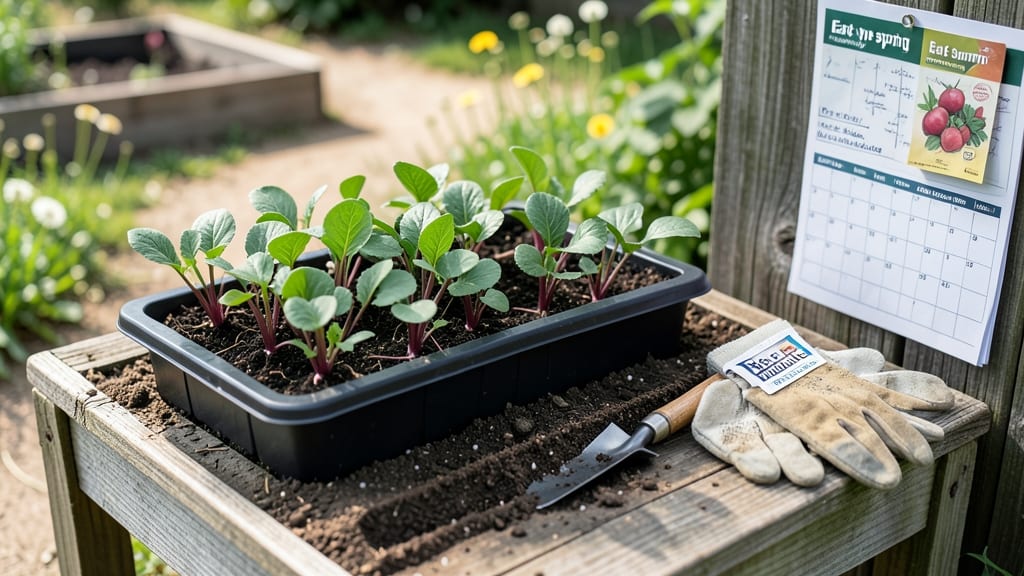
If you’ve ever planted 🍠 beets in Nebraska only to watch them bolt into bitter greens before reaching harvest size, you’re not alone. The key to sweet, tender roots lies in timing—specifically, knowing when to plant beets in Nebraska’s 5a-6b zones to dodge unpredictable frost and heat spikes.
Unlike heat-loving crops, beets thrive in cool weather, but Nebraska’s March 15–April 30 spring window and September 1–October 15 fall window offer the perfect balance. Plant too early, and frost zaps your seedlings; too late, and summer’s heat sends them shooting up before you even see the roots.
Let’s break down the exact dates and tricks to lock in a bumper crop.
What if I told you you could extend your beet season by 3 weeks with just a few simple tools? From frost blankets to soil warming hacks, we’ll cover how to push your planting windows without risking bolting.
Plus, I’ll share Nebraska-specific varieties that handle our 150–180 frost-free days like champs.
Ready to grow beets that are sweet, plump, and ready to harvest in June–July or October–November? Let’s dive into the cold-hardy planting schedule that’ll make your garden the envy of the neighborhood.
Optimal Nebraska beet planting dates by microclimate zone
Nebraska’s three distinct microclimates—Panhandle, Central, and Eastern—create wildly different frost-free windows for beets. Plant too early, and a late frost will kill seedlings. Plant too late, and your beets bolt into bitter greens. Let’s break down the ideal planting dates for each zone to maximize your harvest.
In the Panhandle (USDA Zone 5a-6a), where winters are colder and springs arrive later, aim to plant Detroit Dark Red or Golden varieties between April 1 and May 15.
This zone’s last frost date averages around April 25, so wait until soil warms to at least 45°F before sowing.
Central Nebraska (USDA Zone 5b-6b) offers a 3-week earlier window than the Panhandle. Start sowing March 15 to April 15 for spring crops, with September 1 to October 1 ideal for fall plantings.
The average last frost date here is April 15, giving you a longer growing season.
| Zone | Spring Planting Window | Fall Planting Window | Last Frost Date | First Frost Date |
|---|---|---|---|---|
| Panhandle (5a-6a) | April 1 - May 15 | September 15 - October 15 | April 25 | October 20 |
| Central (5b-6b) | March 15 - April 15 | September 1 - October 1 | April 15 | October 15 |
| Eastern (6a-6b) | March 1 - April 1 | August 20 - September 15 | April 5 | October 10 |
Eastern Nebraska (USDA Zone 6a-6b) enjoys the earliest springs in the state, with an average last frost date of April 5. Here, you can start sowing as early as March 1 for spring beets and push fall plantings until September 15.
Varieties like Chioggia thrive here due to their heat tolerance.
For fall harvests, aim to plant 8-10 weeks before your zone’s first frost date. In Central Nebraska, that means September 1 plantings for a late October harvest. In the Panhandle, wait until September 15 to avoid early frosts ruining your crop.
Pro tip: Use succession planting every 2 weeks in spring and 3 weeks in fall to ensure a continuous harvest. This works especially well for baby beets, which mature in just 45-50 days.
If you’re unsure about your local frost dates, check the Nebraska State Climate Office or use a frost-free date calculator. Adjust your planting by 1-2 weeks earlier if you’re using row covers or black plastic mulch to warm the soil.
Remember, soil temperature matters more than air temperature. Beets won’t sprout well in cold, damp soil. Use a soil thermometer to confirm it’s at least 45°F before planting.
By following these zone-specific guidelines, you’ll avoid the bitter bolting that ruins Nebraska beet harvests—and enjoy sweet, tender roots all season long. 🌱
How to extend Nebraska’s beet growing season without bolting
Nebraska’s short growing season and unpredictable frosts can make beet planting tricky, but with the right strategies, you can push your harvest windows by 3+ weeks on either end.
The key is protecting young plants from late spring frosts and early fall chills while avoiding the heat stress that triggers bolting. Let’s break down the best methods to safeguard your beets.
Start by choosing cold-hardy varieties like 'Detroit Dark Red' or 'Chioggia', which tolerate Nebraska’s USDA Zones 5a-6b better than heat-sensitive types. These varieties handle 40°F soil temps and light frosts without bolting prematurely. Pair them with season-extending tools to maximize your planting windows.
🌱 Numbered Highlights: Extend Your Beet Season
- 📅 Start 3-4 weeks early with frost blankets or row covers to protect seedlings from late April frosts.
- 🌡️ Warm soil faster by covering beds with black plastic mulch 1-2 weeks before planting to raise soil temps by 10-15°F.
- 🌿 Use shade cloth (30-50%) in summer heat to prevent bolting when temps exceed 80°F.
- 🔄 Succession plant every 2 weeks from March 15–April 30 for continuous harvests.
- 🍂 Fall planting tip: Sow seeds Sept 1–Oct 15 with row covers to extend harvest into November.
For early spring plantings, use frost blankets or lightweight row covers to shield seedlings from 28–32°F temps. Remove covers during the day once soil warms to 50°F to prevent overheating.
In my garden, this method lets me plant Detroit Dark Red as early as March 15—even when snow is still on the ground.
Summer heat is the real bolting trigger in Nebraska. When daytime temps hit 85°F+, beets bolt within 10–14 days. To combat this, install 30% shade cloth over beds and water deeply early in the morning to keep roots cool.
I’ve had success growing 'Chioggia' under shade cloth in July without a single bolted plant.
Fall plantings deserve equal attention. Start seeds Sept 1–15 for a 60-day harvest before first frost. Use row covers to protect young plants from 32°F nights and extend harvests into November.
In Zone 6b, I’ve harvested beets as late as October 30 using this method—long after neighbors’ gardens had frozen over.
Finally, succession planting is your secret weapon. Sow new seeds every 2 weeks from March–April and September–October to ensure a steady supply. This works especially well for baby beets, which mature in just 45–50 days.
With this approach, my family enjoys fresh beets from late May through November—no gaps, no bolting, just sweet roots all season.