
Plants
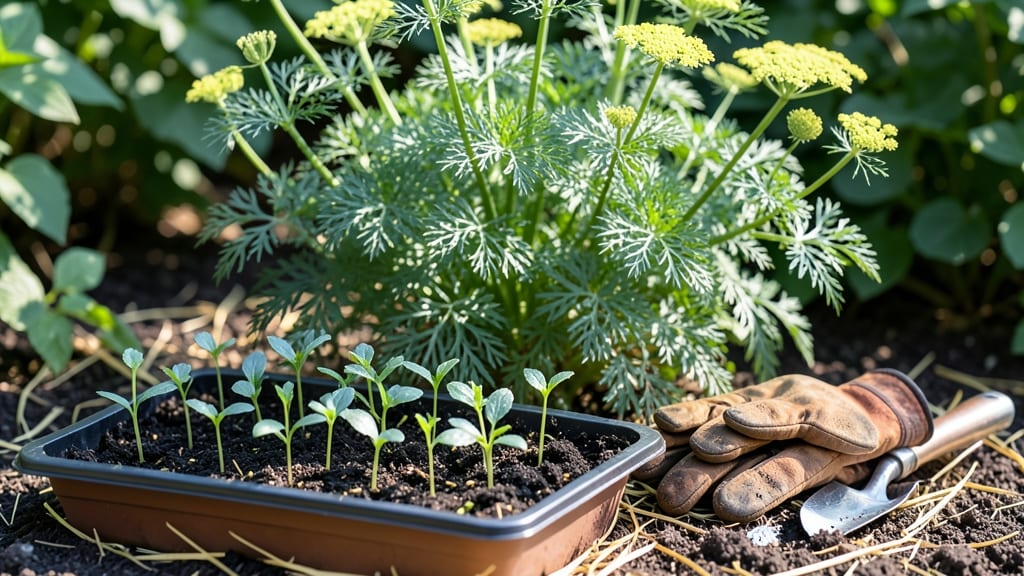
Planting dill in Florida at the wrong time means watching it bolt—turning bitter and flowering before you even get a proper harvest. The key to lush, flavorful 🌿 dill all season lies in timing, and Florida’s frost-free climate gives you unique opportunities (and challenges) to work with.
Unlike northern growers, you don’t have to worry about frost ruining your crop, but Florida’s heat and humidity can still stress dill if you’re not strategic.
The best windows are fall (September-October) and spring (February-March), when temperatures stay mild enough to prevent premature bolting while giving your plants time to mature before summer’s intensity kicks in.
I’ve tested these timing tricks across Florida’s zones—from North Florida’s cooler pockets to South Florida’s year-round warmth—and what works in one area might fail just a few hours away.
Whether you’re a first-time gardener or a seasoned green thumb, mastering these exact planting windows will transform your dill from a fleeting experiment to a reliable, flavor-packed staple.
Ready to avoid the bitter disappointment of bolting? Let’s dive into the exact months to plant, plus Florida-specific hacks to keep your dill thriving through the hottest days. Your next perfect batch of pickles starts with the right timing.
Florida dill planting calendar: exact months to prevent bolting
Florida’s frost-free climate means you can grow dill year-round, but timing matters to avoid premature bolting. The ideal windows are fall (September-October) and spring (February-March), when temperatures stay mild but not extreme.
Planting outside these windows risks your dill shooting up flowers too quickly, leaving you with bitter leaves instead of fresh harvests.
North Florida’s cooler USDA Zone 8b areas (like Jacksonville) have slightly different timing than South Florida’s Zone 10b+ (Miami). In North Florida, aim for late February to early March for spring plantings, while South Florida gardeners can start as early as January without frost worries.
Both regions benefit from fall plantings in September to escape summer’s peak heat.
Dill seeds germinate best in soil temps between 60°F and 80°F. In Florida, this means avoiding mid-summer (June-August) plantings, when heat stress triggers bolting. Instead, focus on cooler transitions—spring’s gentle warmth or fall’s decreasing temperatures—to give your dill the slow, steady growth it craves.
Here’s the Florida dill planting calendar broken down by region and season, with key temperature thresholds to watch:
For North Florida gardeners, the spring window (late February) is critical—plant too early, and cold snaps can stunt growth. Use row covers if nights dip below 50°F.
In South Florida, you can push the envelope slightly earlier, but avoid June plantings unless you’re using shade cloth (30-50%) to keep soil temps cool.
Pro tip: Test your soil’s moisture retention before planting. Florida’s sandy soils dry out fast, triggering bolting. Amend with 2 inches of compost or peat moss to retain moisture and regulate temperatures. This simple step can add 2-3 weeks to your harvest window.
If you miss the ideal windows, don’t despair—succession planting every 3-4 weeks in spring or fall keeps fresh dill on your table. Just space your plantings 10 feet apart to prevent cross-pollination if you’re saving seeds.
For example, plant one batch in February, another in March, and a final one in September for continuous harvests.
Remember, dill’s flavor peaks before flowering. In Florida’s heat, this can happen in as little as 45 days if planted too late. By following this calendar, you’ll ensure your dill stays leafy, fragrant, and ready for pickling or soups for months—no bitter surprises included.
🌿
Florida dill planting calendar: exact months to prevent bolting
Florida’s frost-free climate means you can grow dill year-round, but timing matters to avoid premature bolting. The ideal windows are fall (September-October) and spring (February-March), when temperatures stay mild—70-85°F—and humidity is lower.
Planting outside these windows risks your dill shooting up flowers too quickly, leaving you with bitter stems and few leaves.
North Florida’s cooler Zone 8b-9a (e.g., Jacksonville, Gainesville) benefits from earlier spring plantings (January-February) to escape summer’s intense heat. Meanwhile, South Florida’s Zone 10a-11 (Miami, Key West) can plant year-round, but avoid peak summer (June-August) when temperatures often exceed 90°F, triggering bolting within weeks.
| Planting Window | Best For | Temperature Range | Harvest Time |
|---|---|---|---|
| Fall (Sept-Oct) | North/South Florida | 70-85°F | Nov-Jan |
| Spring (Feb-Mar) | North Florida | 65-80°F | Apr-Jun |
| Year-Round (Avoid June-Aug) | South Florida | 75-90°F (avoid >90°F) | Ongoing |
For North Florida gardeners, aim to sow seeds 4-6 weeks before the first frost—though frost is rare, cooler temps slow growth. In South Florida, stagger plantings every 2-3 weeks from September to April to ensure a continuous supply.
Always choose a sunny spot with well-draining soil—dill hates soggy roots, which can also trigger bolting.
Pro tip: Use a soil thermometer to monitor ground temps. Dill seeds need soil at 70°F+ to germinate; cooler soil delays sprouting and increases bolting risk. If your soil runs cold (common in North Florida winters), start seeds indoors 6-8 weeks before transplanting.
Even with perfect timing, Florida’s humidity and heat can stress dill. To combat this, mulch heavily with straw or pine needles to retain moisture and regulate soil temps. Pair dill with basil or lettuce—these companions shade the soil slightly, keeping roots cooler and reducing stress.
Remember: Harvest regularly to encourage bushier growth. Pinch back flower buds as soon as they appear to redirect energy to leaf production. With these tricks, you’ll enjoy fresh dill leaves for months, not just a few weeks! 🌿