
Plants
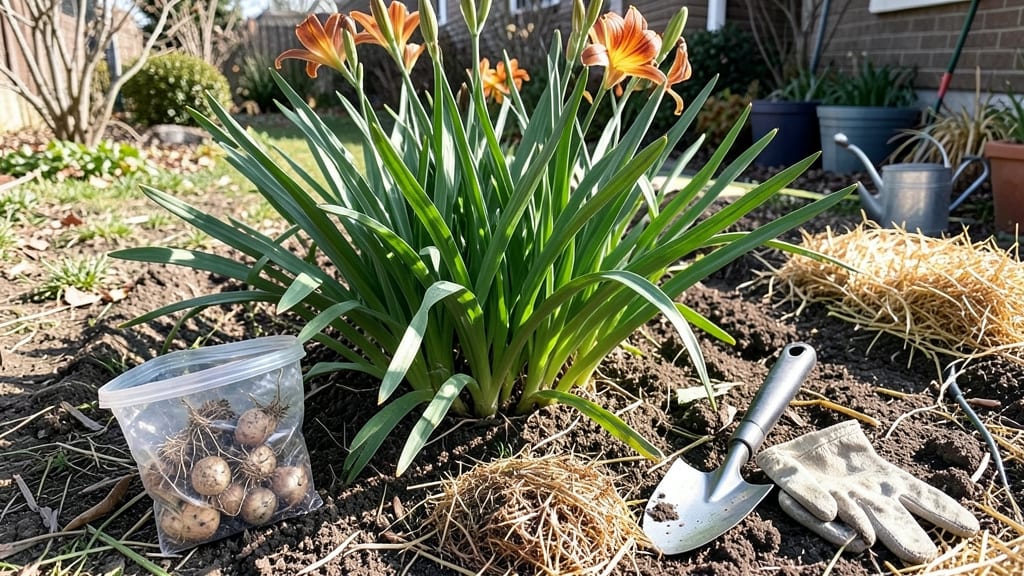
If you've ever wondered when to plant daylily bulbs in Zone 9, timing is the secret to those bold, vibrant blooms you dream of.
Unlike true bulbs, daylilies are actually rhizomes, and getting them in the ground at the wrong time can mean struggling plants or missed seasons of color.
Zone 9's warm winters and hot summers create a unique challenge—plant too early, and your daylilies might bake in the heat. Too late, and they won't establish strong roots before the next growing season.
The perfect window is actually fall or winter, when soil temperatures cool down and moisture levels are ideal for root development.
I'll walk you through exactly when to plant in Zone 9, how to tell when your soil is ready, and the simple care steps that make all the difference. Whether you're a first-time gardener or a seasoned pro, these tips will help your 🌸 daylilies thrive year after year.
Let's dive into the best months, soil cues, and heat-smart strategies that keep your daylilies blooming beautifully—no guesswork required.
Optimal planting windows for daylilies in Zone 9 heat
Daylilies thrive in Zone 9's mild winters, but their bulb-like rhizomes need careful timing to avoid heat stress or dormancy issues. Unlike true bulbs, daylilies prefer cooler soil temps—60-70°F—for root establishment.
Planting too early in late summer heat can bake roots, while waiting until spring risks missing the ideal window for fall blooms.
The perfect Zone 9 window spans from mid-October to February, aligning with cooler temps and natural rainfall. This timing lets rhizomes establish roots before summer heat peaks. For container planting, extend this window slightly—containers warm faster, so aim for November through January.
Here’s why fall planting (October-November) is ideal: cooler soil temps reduce stress, and winter rains help roots settle. Winter planting (December-February) works too, especially in coastal Zone 9 where temps stay mild. Just avoid planting when soil temps exceed 75°F—that’s a sure sign of heat shock.
Pro tip: Use a soil thermometer to confirm temps before planting. In inland Zone 9b, aim for 65°F soil or cooler. Coastal gardeners can plant slightly later, as ocean breezes moderate temps.
| Planting Window | Soil Temp | Key Cues | Best For |
|---|---|---|---|
| Mid-October to November | 60-70°F | Cooler mornings, evening rains | Fall blooms, root establishment |
| December to February | 55-65°F | Mild days, minimal rain | Winter dormancy prep, spring growth |
| March (coastal only) | 60-68°F | Warm soil, no frost risk | Late-season additions |
Microclimates matter! In inland Zone 9, plant by mid-November to avoid early spring heat waves. Coastal gardeners can push to January thanks to ocean cooling. Shady spots (like under trees) stay cooler longer—plant there first if temps linger above 70°F.
Watch for rainfall patterns too. In dry Zone 9, plant during winter rains (December-January) to reduce manual watering. If your area’s dry, schedule planting for late November when natural moisture peaks.
Avoid planting in August-September—summer heat stresses rhizomes before they root. Even shade-cloth-covered beds won’t fully protect new plants from soil temps over 80°F. Wait for evening temps under 80°F before digging.
For container daylilies, use black plastic pots to absorb heat and plant 1-2 weeks later than ground planting. Containers dry faster, so mulch with straw or bark to retain moisture during Zone 9’s dry spells.
Timing isn’t just about months—it’s about soil conditions. Test for well-draining soil (daylilies hate soggy roots) and amend with compost to improve moisture retention. Clay-heavy soils? Plant in raised beds to prevent waterlogging.
Remember: Daylilies aren’t true bulbs—they’re rhizomes. Plant them shallow (2-3 inches deep) and horizontally, with the neck slightly exposed. This setup lets them photosynthesize early, giving them a growth head start before summer’s intensity.
Optimal planting windows for daylilies in Zone 9 heat
Daylilies thrive in Zone 9’s warm climate, but their planting timing must align with soil temperatures and seasonal cues. Unlike true bulbs, daylilies grow from rhizomes, which need cooler soil to establish roots before summer’s heat peaks.
Aim for fall or winter planting—the ideal window spans October through February—when daytime temps hover between 60°F and 75°F.
In Zone 9b, the best months are November and December, when soil stays warm enough to prevent dormancy but cool enough to avoid stress. Early October works for high-elevation areas, while January-February suits coastal regions with milder winters.
Avoid planting in summer (March-August), as scorching roots can kill rhizomes before they take hold.
| Month | Soil Temp | Planting Window | Notes |
|---|---|---|---|
| October | 65°F–75°F | Early October (high elevations) | Risk of heat stress; water deeply. |
| November | 60°F–70°F | Ideal for most Zone 9b | Best balance of warmth and moisture. |
| December | 55°F–65°F | Peak planting month | Cooler soil prevents fungal risks. |
| January | 50°F–60°F | Coastal areas only | Avoid if frost threatens. |
| February | 55°F–65°F | Late winter (mild zones) | Prepare for spring blooms. |
Microclimates matter: Urban areas with heat islands may need earlier planting (September), while shaded gardens can extend the window into early March. Test soil temps with a thermometer—ideal planting soil should be 60°F+ at 4 inches deep.
If temps drop below 50°F, delay until conditions stabilize.
Pro tip: Fall-planted daylilies establish roots before summer’s heat, while winter-planted rhizomes benefit from spring’s natural moisture surge. For container planting, adjust timing by 2–3 weeks later—pots heat up faster and dry out quicker. Always plant 2–3 inches deep and space rhizomes 12–18 inches apart for airflow.
Watch for rainfall patterns: Plant during dry spells to avoid waterlogged soil, which rots rhizomes. In Zone 9’s dry summers, prioritize winter planting to leverage natural rainfall. Mulch with 3–4 inches of straw after planting to retain moisture and regulate soil temps.
Timing isn’t just about months—it’s about seasonal cues. Plant when daylily foliage in your area starts yellowing naturally (a sign of dormancy) or when nearby perennials like salvias begin reblooming. These cues confirm your garden’s readiness for heat-tolerant rhizomes.