
Plants
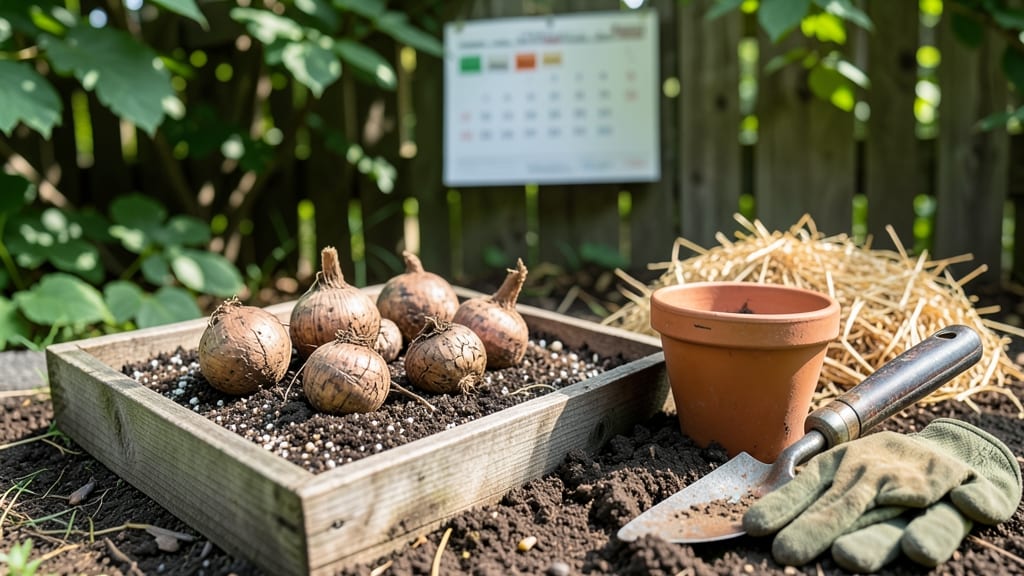
The perfect soil temperature for planting calla lily bulbs in Zone 5
Calla lilies (Zantedeschia spp.) thrive when planted in warmed soil, but Zone 5’s chilly springs make timing tricky. The key is waiting until your soil reaches 50-60°F—this temperature signals safety from frost while kickstarting root growth.
Unlike tropical natives, calla lilies can handle brief cool snaps once established, but young bulbs need protection from hard freezes below 32°F.
Your local last frost date (typically mid-May in Zone 5) isn’t the only factor—soil temperature lags behind air temperature. For example, Chicago’s average last frost is May 15, but soil may not hit 50°F until late May or early June.
In Pittsburgh, where springs warm faster, you might plant by mid-May. Always verify with a soil thermometer or the finger test (below).
Here’s why soil temperature matters: Calla lily bulbs (rhizomes) need warmth to break dormancy and grow roots before shoots emerge. Planting in cold soil causes rot or stunted growth. Conversely, waiting too long delays blooms—your summer flowers appear 2-3 months after planting!
Pro tip: In colder microclimates (e.g., northern Indiana), start bulbs indoors in pots 4-6 weeks before your target outdoor date. Use a grow light to simulate spring conditions, then transplant when soil warms.
| Factor | Zone 5 South (e.g., St. Louis) | Zone 5 North (e.g., Minneapolis) | Action |
|---|---|---|---|
| Average Last Frost | April 20–May 5 | May 10–20 | Plant 2–3 weeks after last frost |
| Soil Temp for Planting | 50–60°F (mid-April) | 50–60°F (late May) | Use soil thermometer or finger test |
| Frost Risk After Planting | Low (cover with frost cloth if needed) | Moderate (plant in containers for mobility) | Monitor 7-day forecast |
| Bloom Timeline | July–August | August–September | Extend season with fall planting (see next section) |
To test soil warmth without a thermometer, use the finger test: Push your finger 4 inches deep into moist soil. If it feels warm but not hot (like a cup of tea), it’s ready.
For precision, invest in a $15 soil thermometer—it’s a game-changer for Zone 5 gardeners where spring is unpredictable.
Amend your soil before planting to improve warmth retention. Mix in 2–3 inches of compost or aged manure to raise soil temperature by 2–5°F. Darker soils (like peat moss) absorb heat faster than sandy loam. Avoid fresh mulch until after planting—it can cool soil and delay sprouting.
Container gardeners have an edge: Fill pots with warm soil mix (50% potting soil + 50% compost) and place them on black plastic mulch or a heat mat to accelerate warming.
Move containers to a sunny patio during the day and bring them in at night until soil stabilizes at 55°F.
Remember: Calla lilies are not frost-tolerant as bulbs, but they handle light frosts once shoots reach 6 inches tall. The real risk is prolonged cold (below 32°F for >24 hours), which can kill new growth. Use row covers or cloche tunnels if late frosts threaten after planting.
For maximum blooms, aim to plant calla lilies when your area has 10+ consecutive frost-free days. Check your local Almanac’s frost calendar or use the USDA Plant Hardiness Zone Map to find your exact last frost date.
In Zone 5, this often lands in late May, but your microclimate may vary!
The perfect soil temperature for planting calla lily bulbs in Zone 5
Calla lilies (Zantedeschia aethiopica) thrive in Zone 5 when planted at the right time—typically after the last frost but only when soil temperatures reach 50-60°F.
In colder regions like Chicago or Pittsburgh, this often means waiting until late May, while warmer microclimates (like southern Indiana) may see earlier planting. The key is balancing frost risk with soil warmth to ensure healthy root growth.
Cold soil (below 50°F) slows bulb germination and invites rot, while waiting too long delays those stunning summer blooms. Use a soil thermometer ($10 at garden centers) to check depth—4 inches down is where roots will form.
If you’re unsure, the "finger test" works too: Stick your finger 4 inches deep; if it feels cool but not icy, it’s likely ready.
🌱 Zone 5 Soil Warmth Guide for Calla Lilies
| Region | Avg. Last Frost | Ideal Planting Window | Soil Temp Check |
|---|---|---|---|
| Northern Zone 5 (e.g., Detroit, Minneapolis) | Mid-May | Late May–Early June | Wait until 60°F+ at 4" depth |
| Central Zone 5 (e.g., Chicago, Pittsburgh) | Early May | Mid-May–Late May | Plant when soil hits 55°F+ |
| Southern Zone 5 (e.g., Louisville, Indianapolis) | Late April | Early May–Mid-May | Ready at 50°F+ (earlier risk) |
⚠️ Pro Tip: Use black plastic mulch 2 weeks before planting to warm soil faster.
For container gardening, soil warms 3-5°F faster than in-ground beds. Place pots in sunny spots and pre-warm them with hot water (soak containers for 30 minutes before planting).
If your area has a history of late frosts (like May 10–20), delay planting until June 1—your calla lilies will still bloom by July.
Watch for new shoots emerging from the soil—this confirms roots have established. If nighttime temps dip below 50°F after planting, cover bulbs with frost cloth or a lightweight row cover.
In my Zone 5b garden, I’ve found that planting after Memorial Day (when frost risk drops below 10%) gives the best results.
Calla lilies are not frost-tolerant as bulbs, but their tubers can survive light freezes if planted deep (6 inches) and mulched. For extra protection, dig up tubers after the first frost and store them in dry peat moss at 40–50°F until spring replanting.
This method works well for gardeners in Zone 5a with shorter growing seasons.
Remember: Patience pays off. Rushing planting in April risks frost damage, while waiting until July means fewer blooms. Aim for late May–early June in most of Zone 5, and your calla lilies will reward you with bold, drama-filled blooms all summer long! 🌸