
Plants
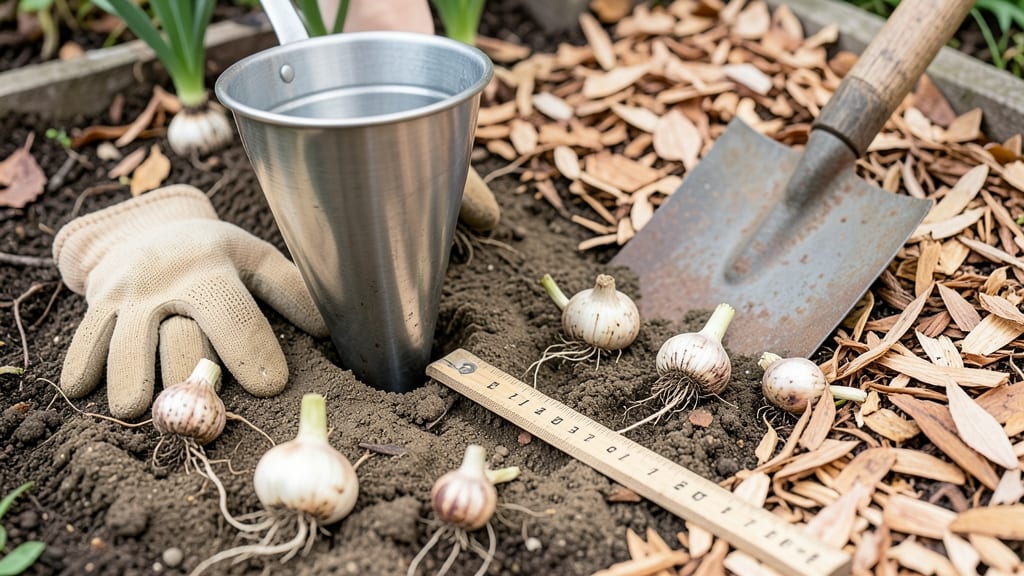
Timing your daffodil bulbs planting in Seattle isn’t just about picking a month—it’s about matching the chill hours your 🌼 bulbs need to bloom reliably. Plant too early, and they’ll bolt before winter; too late, and you’ll miss the ideal window when soil temps drop to 50°F.
The sweet spot? Between October and November, when Seattle’s USDA Zone 8a climate shifts just right.
Here’s the secret: Daffodils need 300–600 chill hours to set strong roots and prevent early shoots. Coastal Seattle (like West Side neighborhoods) stays milder longer, while inland areas near Bellevue hit freezing faster.
That means your exact planting date could vary by 2–3 weeks depending on where you live in the city.
Container planting? Absolutely—just use well-draining soil and plant 6–8 inches deep. And don’t stress over Seattle’s rain: Daffodils thrive in moisture, but they’ll bolt if planted in soggy soil. We’ll show you how to test soil readiness and adjust for your microclimate, so your bulbs stay dormant until spring.
Ready to avoid the #1 mistake Seattle gardeners make? Let’s break down the exact weeks to plant, plus the best varieties for your neighborhood’s chill hours. Your zero-bolt daffodils start here.
Seattle’s chill-hour zones: the exact timing to plant daffodils for zero bolt risk
Seattle’s USDA Zone 8a/8b climate creates unique challenges for daffodil planting. Unlike warmer climates, our cool, wet winters require precise timing to avoid premature sprouting or missed blooms. The key? Matching chill hours (300–600)—not just calendar dates—to your microclimate.
West Seattle’s coastal influence keeps soils cooler longer, while East Seattle’s urban heat island effect warms them faster. This means your neighbor’s perfect planting window might be risky for your garden. Let’s break down the exact timing and soil conditions to plant daffodil bulbs without risking early shoots.
⚠️ CRITICAL: Planting too early (before 45°F soil temps) triggers sprouting, while planting too late (after first frost) delays blooms. Seattle’s average last frost is October 15, but microclimates shift this by 2–3 weeks.
Seattle Daffodil Planting Timeline by Microclimate
| Zone/Location | Chill Hours | Ideal Planting Window | Soil Temp Goal | Risk if Planted Late |
|---|---|---|---|---|
| West Seattle (Coastal) | 500–600 hours | October 1–15 | 45–50°F | Delayed blooms (May–June) |
| East Seattle (Urban) | 300–400 hours | October 15–31 | 50–55°F | Premature sprouting (Jan–Feb) |
| North Seattle (Lake Influence) | 400–500 hours | October 10–25 | 48–52°F | Mixed results (spotty blooms) |
| South Seattle (Sunny Slopes) | 350–450 hours | October 20–November 5 | 52–55°F | Early bolting (Dec–Jan) |
*Chill hours = number of hours below 45°F. Use a soil thermometer to confirm readiness.
For container planting, adjust timing by 1–2 weeks earlier—pots warm faster. If you’re unsure about your microclimate, aim for 6 weeks before the first frost (early October for most of Seattle). This gives bulbs time to root without sprouting.
Pro tip: Plant daffodil bulbs 6 inches deep and 6 inches apart in well-draining soil. Add a 2-inch layer of compost to improve drainage, especially in Seattle’s clay-heavy soils. Mulch with straw or shredded leaves after planting to protect bulbs from winter heaving.
Remember: No blooms next spring? It’s likely due to planting too late. If you miss the window, wait until early December—just know blooms may be smaller or delayed. For guaranteed results, mark your calendar for October 1–15 and test your soil first.
🌱
How to test your soil’s readiness: 3 signs your Seattle garden is perfect for daffodil bulbs
Seattle’s clay-heavy soil and chilly dampness can trick daffodil bulbs into sprouting too early. Before planting, I check three critical signs to ensure your soil won’t cause premature bolting or waterlogged roots. Start by testing soil temperature, which should sit between 45–55°F—this mimics winter dormancy conditions.
A soil thermometer (just $10 at garden centers) is your best tool. Insert it 4–6 inches deep—this is where your bulbs will sit. If the reading is above 55°F, wait 1–2 weeks; below 45°F, and your bulbs may not root properly.
Pro tip: Morning readings are most accurate since afternoon sun can skew results.
- Temperature Check: 45–55°F at 4" depth (use a thermometer)
- Moisture Test: Squeeze soil—it should crumble slightly (not stick to your hand)
- Drainage Test: Dig a 6" hole, fill with water; if it drains in 30 minutes, your soil’s ready
Next, assess moisture levels. Grab a handful of soil and squeeze it—if it forms a tight ball that doesn’t crumble, your soil is too wet. Daffodils hate soggy conditions, which can rot bulbs before winter even sets in.
If your garden’s clay-heavy (common in Seattle), mix in compost or sand to improve drainage. Aim for soil that feels like a damp sponge—not a muddy mess.
For organic matter, perform a simple scratch test: Dig a 1-inch-deep hole and scrape the sides. If the soil is dark brown with visible decomposed leaves or compost, you’re golden.
Seattle’s urban soils often lack this, so amend with well-rotted compost (1–2 inches mixed into the top 6 inches of soil). This boosts nutrient retention and prevents nutrient leaching during our rainy winters.
One more critical check: pH balance. Daffodils prefer slightly acidic to neutral soil (6.0–7.0). Test with a pH kit (available at garden centers).
If your soil is too acidic (below 6.0), add lime; if alkaline (above 7.0), work in sulfur or peat moss. Seattle’s coastal areas often skew acidic, so this step is non-negotiable for bulb health.
If your soil passes all three tests—temperature, moisture, and organic matter—you’re ready to plant. But if it fails? Wait 1–2 weeks or amend the soil first. Rushing can lead to bulbs sprouting in winter, only to be killed by frost.
Patience here ensures vibrant spring blooms without the heartbreak of wasted bulbs.