
Plants
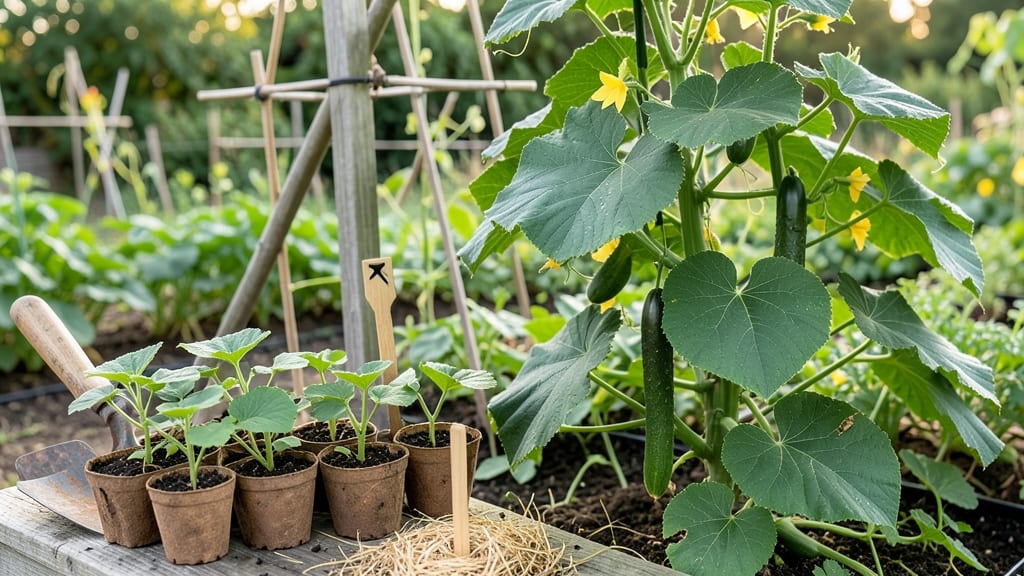
If you've ever stared at your garden calendar wondering "when to plant cucumbers in Zone 9b", you're not alone—getting the timing right in this scorching climate makes all the difference between a thriving 🥒 harvest and wilted disappointment.
Zone 9b's long, hot summers might seem intimidating, but with the right strategy, you can grow cucumbers that produce all season long. The key? Planting at the perfect moment—when soil temperatures hit that sweet spot of 65°F+—and choosing varieties that actually thrive in the desert heat.
I'll walk you through the exact planting windows, heat-resistant varieties that perform best in Phoenix and Southern California, and pro tips to keep your plants happy even when temperatures soar. No more guessing—just a foolproof plan for cucumbers that taste fresh all summer.
Let's dive into the timing, varieties, and tricks that will transform your garden into a productive oasis, no matter how hot it gets outside.
Best planting dates for cucumbers in Zone 9b: avoiding summer heat stress
Zone 9b’s long, hot summers make timing your cucumber planting the key to success. Unlike cooler zones, you’ll skip frost-based schedules entirely—focus instead on soil temperatures and heat tolerance.
Plant too early, and your vines will bolt in the heat; too late, and you’ll miss the optimal harvest window before summer’s peak intensity.
In Zone 9b, cucumbers thrive when soil reaches 65°F+ and daytime highs stay below 90°F. This typically aligns with late winter to early spring, but your exact window depends on whether you’re in a coastal microclimate (cooler, longer season) or inland desert (hotter, shorter season).
For most of Zone 9b, February through March are your best months. Coastal areas like San Diego can start as early as January, while inland spots like Phoenix should wait until late March to avoid early heat spikes.
Always check your local USDA Plant Hardiness Zone map for microclimate nuances.
Here’s the critical planting timeline to avoid heat stress:
| Stage | Action | Ideal Timeframe | Soil Temp |
|---|---|---|---|
| Seedlings Ready | Transplant outdoors | Late February–Early March | 65°F+ |
| Active Growth | Harvest begins | April–May | 70–85°F |
| Heat Stress Risk | Use shade cloth | June–July | Above 90°F |
| Fall Option | Direct sow seeds | Late August–September | 75–80°F |
If you’re planting in spring, aim for seedlings (not seeds) to skip the slow germination phase. Start seeds indoors 6–8 weeks before your last frost-free date—or use heat-resistant varieties that tolerate direct sowing in warm soil.
For fall plantings, late August to September works if you choose fast-maturing varieties like ‘Straight Eight’.
Pro tip: Monitor your soil’s moisture and temperature with a soil thermometer. Cucumbers wilt quickly in dry, hot soil, so mulch heavily with straw or wood chips to retain moisture.
In inland deserts, shade cloth (30–50%) during peak afternoon sun (12–4 PM) can extend your harvest by 2–3 weeks.
One common mistake? Planting too close to summer solstice (June 21). By then, daytime highs often exceed 100°F, causing cucumbers to stop flowering or produce bitter fruit.
Instead, plan for a spring harvest that wraps up by late June, then consider a fall replant if your climate allows.
For container growers, use 5-gallon pots with fast-draining mix and move containers to shadier spots during heatwaves. Containers dry out 3x faster than in-ground beds, so water deeply every 1–2 days in summer. 🥒
Best planting dates for cucumbers in Zone 9b: avoiding summer heat stress
Zone 9b’s long, hot summers and minimal frost risk create a unique challenge for cucumber growers. Unlike cooler climates, you can’t rely on spring frost dates—timing is everything to avoid heat stress or bolting (premature flowering).
The key? Plant when soil temps hit 65°F+ but before 100°F+ heat sets in.
For coastal Zone 9b (e.g., Southern California coast), cooler ocean breezes extend the window slightly. Inland areas (e.g., Phoenix) face intense afternoon heat, so aim for earlier spring or late summer plantings. My rule of thumb: March-April for spring crops and August-September for fall success.
| Planting Window | Soil Temp | Air Temp | Microclimate Notes |
|---|---|---|---|
| Late February - Early March | 60-65°F | 65-75°F | Coastal areas only; inland too cold |
| March - April | 65-75°F | 75-90°F | Ideal for all Zone 9b; use shade cloth if temps exceed 90°F |
| August - September | 70-80°F | 85-95°F | Fall planting; avoid if monsoon rains predicted |
Pro tip: Use a soil thermometer to confirm temps—cold soil delays germination, while overheated soil causes seed rot. I’ve seen seeds sprout in 55°F soil but fail at 80°F+ without proper moisture. For direct sowing, wait until nighttime temps stay above 55°F.
Zone 9b’s extended growing season lets you try succession planting: Sow every 2 weeks in spring for staggered harvests. Just stop by mid-May—beyond that, heat stress reduces fruit quality. Save fall plantings for August when temps begin cooling.
Watch for false starts: Some years, unpredictable rains or heat waves disrupt timing. I once planted in early March only to face 105°F+ by April—my cucumbers bolted before fruiting. Now, I monitor NOAA forecasts and adjust my schedule accordingly.
For container growers, black pots warm faster—plant 1-2 weeks later than in-ground beds. And if you’re near desert microclimates, consider shade cloth (30-50%) to protect young plants during peak afternoon sun. 🌱