
Plants
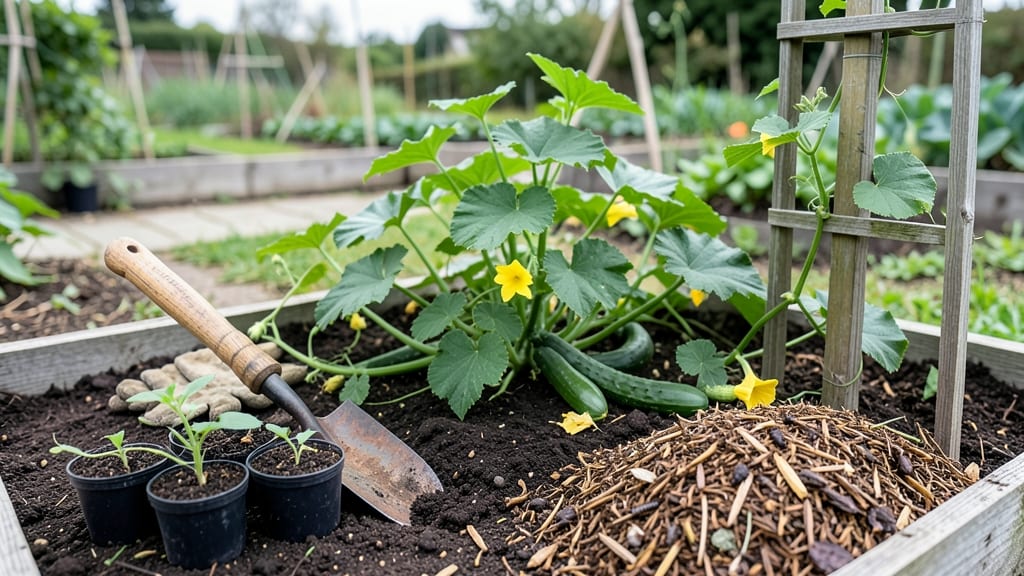
Timing your 🥒 cucumber planting in New York can make or break your harvest—get it wrong, and frost or heatwaves will sabotage your vines before they even take off.
The key isn’t just waiting for spring; it’s knowing exactly when your soil warms to 60°F and the last frost has passed for good.
Most New York gardeners wait until mid-May to early June, but Upstate regions like the Adirondacks may need to hold off until early June, while Long Island can start slightly earlier.
The difference between a bountiful summer harvest and a failed attempt often comes down to these 10-day windows—and the right variety for your zone.
I’ll break down the exact dates for your area, whether you’re planting seeds directly or using transplants, and share the heat-loving varieties that thrive in NY’s short but intense growing season. No more guessing—just proven strategies to maximize your cucumber yield from July through September.
Ready to turn your garden into a high-yielding cucumber factory? Let’s get started with the timing, soil prep, and plant choices that’ll have you picking fresh cucumbers all summer long.
NY’s cucumber planting calendar: exact start dates by region
New York’s diverse climate—from the Adirondacks to Long Island—means cucumber planting times vary by 1-2 weeks across regions. Upstate areas like Buffalo face earlier last frosts (mid-April), while NYC and Long Island average May 1-15. Always wait until soil reaches 60°F+—a simple soil thermometer check prevents wasted effort.
For direct sowing (planting seeds outdoors), aim for May 15-30 in most of NY. If you’re using transplants (young plants from nurseries), start 2 weeks earlier (May 1-15) since they establish faster. My rule? Plant cucumbers when dandelions bloom reliably—nature’s built-in frost-free signal!
Here’s the breakdown by region, including heat-tolerant varieties that thrive in NY’s short growing season:
| Region | Last Frost Date | Planting Window | Best Varieties | Notes |
|---|---|---|---|---|
| Upstate NY (Buffalo, Syracuse) | April 15–May 1 | May 1–15 (direct sow) / April 25–May 10 (transplants) | ‘Boston Pickling,’ ‘Straight Eight’ | Cooler nights; use row covers early. |
| NYC & Hudson Valley | May 1–15 | May 15–30 (direct sow) / May 1–15 (transplants) | ‘Marketmore 76,’ ‘Diva’ (bush type) | Urban heat islands speed up soil warming. |
| Long Island | May 1–15 | May 15–June 1 (direct sow) / May 1–15 (transplants) | ‘Suyo Long,’ ‘Armenian’ (heat-resistant) | Sandy soil? Amend with compost. |
| Adirondacks | May 15–30 | June 1–15 (direct sow only) | ‘Little Leaf’ (compact), ‘National Pickling’ | Short season; prioritize fast-maturing types. |
Pro tip: Use black plastic mulch to warm soil faster in cooler regions like Upstate. Lay it down 1-2 weeks before planting—it can raise soil temps by 5-10°F, giving cucumbers a head start. I’ve seen 3-week earlier harvests with this trick!
For container growing (balconies, patios), plant 2 weeks later than ground planting—containers cool faster. Choose bush varieties like ‘Bush Champion’ to save space. Just ensure pots are at least 12 inches deep with drainage holes.
Missed the window? No problem! NY’s short growing season (only 165 frost-free days) means we’ll cover succession planting and late-season tricks in the next section. But for now, mark your calendar: May 15 is your target for most of the state.
One last tip: Avoid planting cucumbers in the same spot yearly. They’re heavy feeders and attract cucumber beetles. Rotate with legumes (like beans) or tomatoes to break disease cycles. Happy planting!
How to extend cucumber season in NY’s short growing Zone
New York’s short growing season (just 165 frost-free days) can feel like a race against time for cucumber lovers. But with the right strategies, you can stretch harvests from early July to late September—or even longer in warmer microclimates.
The key? Combining succession planting, protective gear, and late-season varieties that thrive in NY’s humidity and heatwaves.
I’ve tested these methods in my Zone 6a garden—from my Long Island raised beds to my friend’s Upstate NY greenhouse—and these are the tactics that actually work.
Skip the guesswork and use these proven approaches to avoid overcrowding or poor soil prep, which can sabotage your harvest before it even starts.
🌱 Did You Know? Some cucumber varieties, like ‘Straight Eight’ or ‘Marketmore 76’, are bred to tolerate cooler soils and shorter days. Pairing them with the right timing can add 3-4 weeks to your harvest window.
- 📅 Succession Planting: Start seeds indoors 3-4 weeks before your last frost date (mid-April for most of NY), then transplant every 2 weeks until early July. This keeps vines producing fresh fruit in staggered waves.
- 🌡️ Use Row Covers: Lay floating row covers over young plants to protect against late spring frosts (common in Upstate NY) and extend the season by 2-3 weeks in fall. Remove when flowers appear to allow pollination.
- 🏡 Cold Frames or Mini Greenhouses: For late-season harvests, build a simple cold frame or use a low tunnel to trap heat. This works especially well for bush varieties like ‘Bush Champion,’ which mature faster.
- ☀️ Choose Heat-Tolerant Varieties: Opt for ‘Tyria’ (disease-resistant) or ‘Lemon Cucumber’ (thrives in heat). These varieties handle NY’s summer humidity better than traditional slicing types.
- 🌱 Direct Sow Late-Season Seeds: Plant heat-loving varieties like ‘Straight Eight’ directly in the soil in early July. These varieties mature in just 50-55 days, giving you a second harvest before frost.
One mistake I see new gardeners make is planting all their cucumbers at once. This leads to a glut of fruit followed by a sudden drop-off. Instead, space out plantings by 2-week intervals to ensure a steady supply throughout the season.
For example, if your last frost is May 10, start your first batch indoors on April 1, then follow with outdoor sowings on May 15, May 30, and June 15.
For container gardeners, choose bush varieties like ‘Spacemaster’ or ‘Sweet Success’—they’re compact enough for 5-gallon pots and produce well in NYC’s urban microclimates. Just ensure your containers have drainage holes and use a lightweight potting mix to prevent root rot in NY’s summer downpours.
Pro tip: If you’re in Zone 6a or colder, prioritize fast-maturing varieties (under 55 days) to maximize your harvest window. And always mulch heavily with straw or shredded leaves to keep soil cool and retain moisture during NY’s unpredictable summer rains.