
Plants
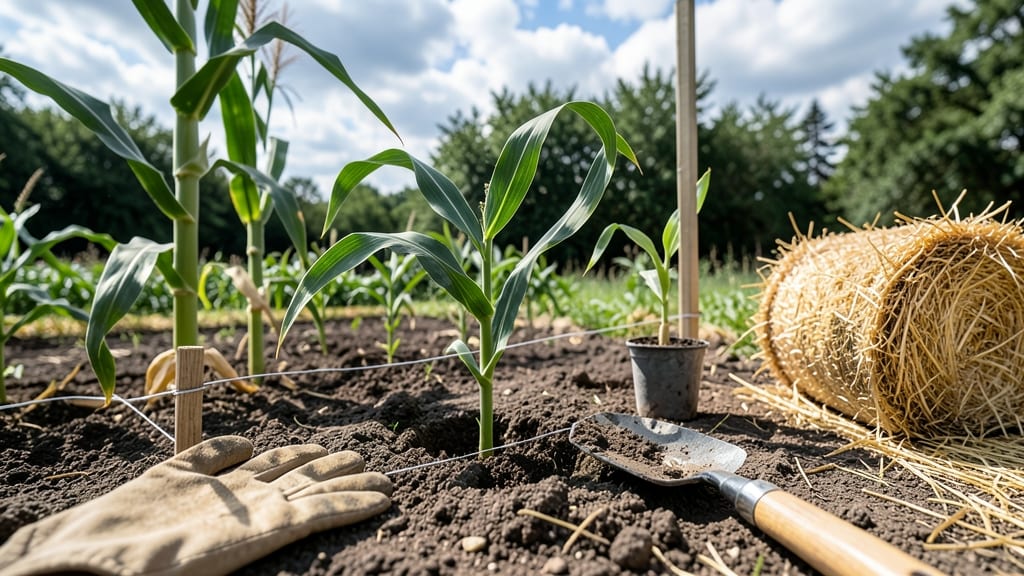
Timing your 🌽 corn planting in North Carolina can make or break your harvest—get it wrong, and you might end up with stunted plants or empty husks.
The mid-April to early June window exists for a reason: it balances soil warmth, frost risk, and the 60°F minimum corn craves to thrive.
But here’s the catch: Piedmont’s last frost arrives earlier than the mountains, and coastal areas have their own rhythm. Whether you’re in Raleigh, Asheville, or Charlotte, knowing your microclimate’s quirks is the difference between a bountiful harvest and a disappointing one.
I’ll break down the exact planting calendar for USDA Zones 7b-8a, plus heat tolerance tricks to stretch your growing season. From soil temperature secrets to succession planting hacks, you’ll learn how to time it perfectly for sweet, plump ears—no guesswork required.
Ready to grow corn that rivals the farmers’ market? Let’s get started with the proven strategies that work in North Carolina’s humid summers.
North Carolina corn planting calendar: exact dates by USDA Zone 7b-8a
North Carolina’s diverse microclimates mean your corn planting dates should vary slightly between the Piedmont, Coastal Plain, and Mountains. For USDA Zone 7b-8a, aim to plant after the last frost date—typically mid-April to early June—when soil temperatures hit 60°F consistently.
Early plantings risk frost damage, while late plantings may mature too slowly for NC’s 180-day frost-free window.
In the Piedmont region (Raleigh, Charlotte), where last frosts average March 15, start seeds indoors 4-6 weeks before your target outdoor date.
For the Coastal Plain (Wilmington, Fayetteville), plant 2 weeks earlier due to milder winters, while Mountain areas (Asheville, Boone) should wait until late April to avoid late spring frosts.
Here’s your NC corn planting timeline broken down by region, including soil temperature thresholds and harvest windows to maximize yields:
| Region | Last Frost Date | Ideal Planting Window | Soil Temp Threshold | Harvest Window |
|---|---|---|---|---|
| Piedmont (Raleigh, Charlotte) | March 15 | Mid-April to May 15 | 60°F+ consistently | Late July to October |
| Coastal Plain (Wilmington) | March 1 | Late March to April 30 | 58°F+ consistently | Early July to September |
| Mountains (Asheville) | April 15 | Late April to June 1 | 62°F+ consistently | August to September |
🌽 Pro Tip: Use black plastic mulch to warm soil faster in cooler regions like the Mountains.
For succession planting, sow new seeds every 2 weeks after your initial planting to stretch your harvest. For example, if you plant your first batch on April 15, follow up with May 1 and May 15 plantings.
This ensures a steady supply of fresh ears from July through September.
Choose early-maturing varieties (60-70 days) for Mountain regions and medium-maturing (80-90 days) for Piedmont/Coastal areas. Popular NC-adapted varieties include 'Silver Queen' (85 days), 'Peaches and Cream' (72 days), and 'Bodacious' (90 days). Always check seed packets for days to maturity and adjust planting dates accordingly.
If you’re using transplants instead of direct sowing, harden them off for 7-10 days before setting out after the last frost. Transplants should be 3-4 inches tall with 4-5 leaves to minimize transplant shock. Water deeply the day before transplanting to reduce stress on your young corn plants.
Monitor soil moisture closely after planting—corn needs 1-2 inches of water per week, especially during tasseling (when pollen forms) and ear development. Use a moisture meter or the "squeeze test": if soil clumps when pressed, it’s adequately moist.
For container growing, opt for dwarf varieties like 'Golden Bantam' (60 days) and use 5-gallon pots with well-draining soil. Plant 2-3 seeds per pot and thin to the strongest seedling. Containers dry out faster, so check moisture daily in summer.
Heat tolerance tricks to extend corn growing season in NC’s humid climate
North Carolina’s summers can bring sudden heat spikes that stress corn plants, especially in USDA Zones 7b-8a. Without proper adjustments, your sweet corn may suffer from heat stress, leading to poor ear development or even plant death.
The key is proactively managing temperature fluctuations to keep your corn thriving until harvest.
One of the most effective strategies is using shade cloth during peak afternoon heat. Lightweight 30-50% shade cloth can reduce soil and air temperatures by 10-15°F, protecting young plants from wilting.
Install it when daytime highs exceed 90°F—typically in June and July—and remove it in the morning to allow full sunlight for photosynthesis.
Another game-changer is mulching. Organic mulches like straw or grass clippings create a protective barrier that keeps soil temperatures stable and reduces moisture loss. Apply a 3-4 inch layer after planting to shield roots from extreme heat.
This method also suppresses weeds, which compete for water and nutrients during dry spells.
For gardeners in Piedmont and Coastal NC, where humidity is highest, consider succession planting with shorter-season varieties. Plant a second crop in late June using fast-maturing varieties like 'Ambrosia' (70 days) to avoid the worst heat.
In the Mountains (Zone 6b), focus on extending the season with row covers until soil warms sufficiently in late April or May.
Finally, monitor your corn’s silking stage—when tassels emerge and silks appear. If silks dry out before pollination (a common issue in 90°F+ heat), hand-pollinate by gently brushing tassels over silks with a paintbrush. This trick can save up to 30% of your crop during heatwaves.
With these heat tolerance tricks, you’ll turn NC’s challenging climate into an advantage, ensuring a bountiful corn harvest even during the hottest months. 🌽☀️