
Plants
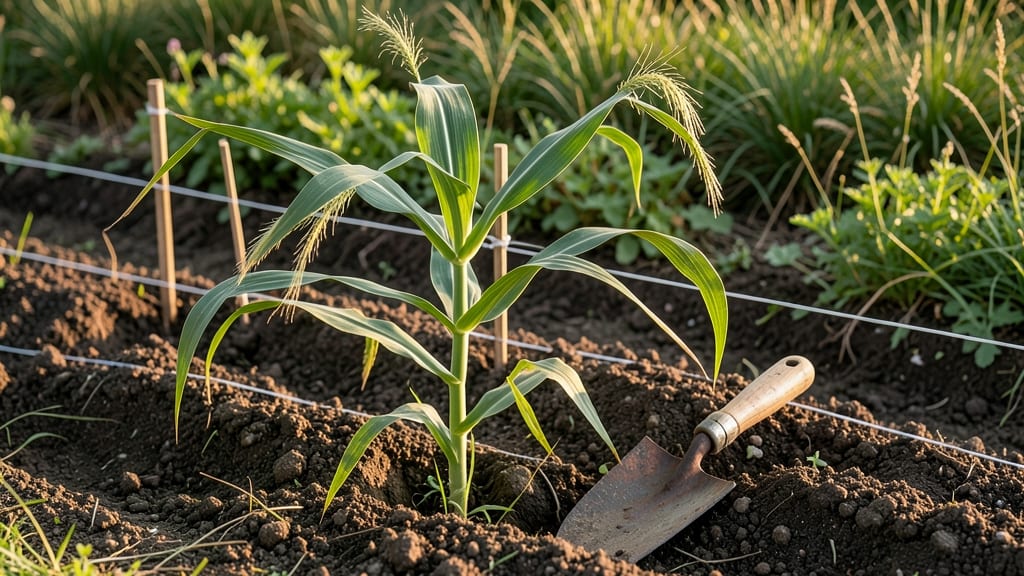
Timing your 🌽 corn planting in Montana wrong can turn your summer harvest into a gamble—especially when frost dates shift dramatically from Bozeman to Billings.
Unlike warmer climates, Montana’s USDA Zones 4-7 demand precision: plant too early, and a late frost will wipe out tender seedlings; too late, and your late August harvest might never materialize.
Most gardeners in the Treasure State wait until mid-May to early June, but that’s just the starting point. Soil temperature—60°F or higher—is the real game-changer, and high-altitude areas (think 6,000+ feet) can lag weeks behind valley gardens.
Whether you’re growing dent corn for sweet ears or silage, getting this right means the difference between a 12-foot stalk of golden kernels and a sad, stunted plant.
I’ve talked to Montana farmers who’ve lost entire crops because they ignored local microclimates—like the urban heat islands in Missoula or the cold pockets near Glacier National Park. The key isn’t just following a calendar; it’s reading your land.
In this guide, I’ll break down exact frost-free windows by elevation, share tricks to warm soil faster, and help you pick the right corn varieties for your zone.
Ready to turn your summer garden into a cornucopia? Let’s dive into the frost-free dates, soil secrets, and spacing hacks that’ll have your 🌽 corn thriving—no matter where you are in Big Sky Country.
Montana corn planting dates by elevation zone (with frost-free guides)
Montana’s three distinct elevation zones—lowland, mid-elevation, and high-altitude—each demand a unique approach to corn planting. The last frost dates can shift by weeks between valleys like Billings (3,500 ft) and mountain towns like Whitefish (4,500 ft).
For example, lowland areas typically see their last frost around May 10-15, while high-altitude zones may not be frost-free until June 1-15. These differences mean planting too early risks frost damage, while delaying too long shortens the growing season.
Corn thrives when soil temperatures stay above 60°F for at least 2 weeks. In Montana, this often aligns with late May to early June for most regions, but high-elevation gardens may need to wait until mid-June.
Using a soil thermometer is critical—corn seeds won’t germinate below 50°F, and cool soils can lead to uneven sprouting or rot.
Below is a zone-specific planting guide tailored to Montana’s microclimates. Each zone includes ideal planting windows, frost-free averages, and soil-warming tips to extend your growing season.
🌽
| Elevation Zone | Avg. Last Frost | Ideal Planting Window | Soil Temp. Goal | Zone-Specific Tip |
|---|---|---|---|---|
| Lowland (3,000–4,000 ft) | Late April–May 15 | Mid-May to early June | 60°F+ for 2+ weeks | Use black plastic mulch to warm soil 2–3°F faster. |
| Mid-Elevation (4,000–6,000 ft) | May 1–May 20 | Late May to early June | 60°F+ for 2+ weeks | Choose early-maturing varieties like ‘Early Sunglow’ (70 days). |
| High-Elevation (6,000+ ft) | May 15–June 1 | Mid-June to early July | 65°F+ for 2+ weeks | Start seeds indoors in April or use row covers for 3–4 weeks after planting. |
For lowland areas, like the Missouri River Valley, gardeners can often plant corn as early as mid-May if they use soil-warming techniques such as black plastic mulch or raised beds. These methods can shave 1–2 weeks off the time needed to reach optimal soil temperatures.
In contrast, high-altitude regions like Glacier National Park’s front range may require waiting until mid-June to avoid frost damage, even with cold-hardy varieties.
Montana State University Extension recommends pre-sprouting seeds for high-elevation gardens. Soak corn seeds in water for 12–24 hours before planting to jumpstart germination in cooler soils. This technique can add 3–5 days of growth before transplanting, which is crucial in shorter growing seasons.
Another key factor is corn variety selection. Short-season varieties like ‘Golden Bantam’ (75 days) or ‘Bodacious’ (80 days) are ideal for mid- to high-elevation zones, while longer-season types like ‘Silver Queen’ (110 days) thrive in lowland areas.
Always check the days to maturity on seed packets and subtract 10–15 days for high-altitude adjustments.
🌡️
If you’re unsure about your local frost dates, check the Montana Climate Office or use a frost calendar app like Almanac’s Frost/Freeze Calculator. These tools can help you pinpoint your specific microclimate, whether you’re in a sunny urban heat island or a shaded mountain valley.
For example, Bozeman (5,000 ft) often has a 10-day later frost date than Great Falls (3,500 ft), despite being closer in latitude.
Finally, remember that corn is a heavy feeder and needs rich, well-drained soil. Before planting, amend your soil with compost or aged manure and ensure it’s pH-balanced (6.0–7.0).
In Montana’s alkaline soils, a soil test is worth the investment—it can reveal whether you need to add sulfur or peat moss to optimize growth.
✂️
How to adjust corn planting time for Montana’s unpredictable weather
Montana’s weather can shift from sunny and warm to freezing overnight, making timing critical for corn success. Unlike predictable climates, here late frosts can linger into mid-May in high-elevation areas, while lowlands may see early June as the safe window.
The key is flexibility—adjusting your planting strategy based on real-time conditions rather than relying solely on averages.
I’ve learned from Montana growers that soil temperature, not air temperature, is the true indicator. Corn seeds won’t sprout reliably until the soil reaches 60°F (15°C) at a depth of 2 inches.
A soil thermometer is your best friend here—rent one from your local garden center if you don’t own one. Without it, you risk planting too early and watching your seeds rot.
Here’s my three-step adjustment plan for Montana’s variability: First, choose cold-tolerant varieties like ‘Early Sunglow’ or ‘Golden Bantam,’ which can handle cooler soils. Second, use row covers or black plastic mulch to warm the soil faster.
Finally, plant in staggered batches—sow half your seeds at the first safe window, then another half 10–14 days later if conditions stay uncertain.
Don’t overlook microclimates—your neighbor’s garden might be frost-free while yours still has ice. South-facing slopes warm up faster, while valleys can hold cold air longer.
I once planted corn in my sunny backyard in early May, only to lose half to a late frost because my neighbor’s shaded garden stayed safe. Scout your space for frost pockets and adjust planting dates accordingly.
For high-elevation gardeners (above 5,000 feet), consider starting seeds indoors 4–6 weeks before your last frost date. Use biodegradable pots and transplant seedlings when soil temperatures stabilize. This extra step buys you 2–3 weeks of growing time, which can mean the difference between full ears and stunted plants.
Finally, keep an eye on rainfall patterns. Montana’s dry spells can stress young corn plants, while sudden downpours may cause soil erosion or fungal diseases. If your area is forecasted for drought, prioritize drought-tolerant varieties like ‘Pioneer Brand 33B64’ and mulch heavily to retain moisture.
Staying adaptable is the secret to Montana corn success.