
Plants
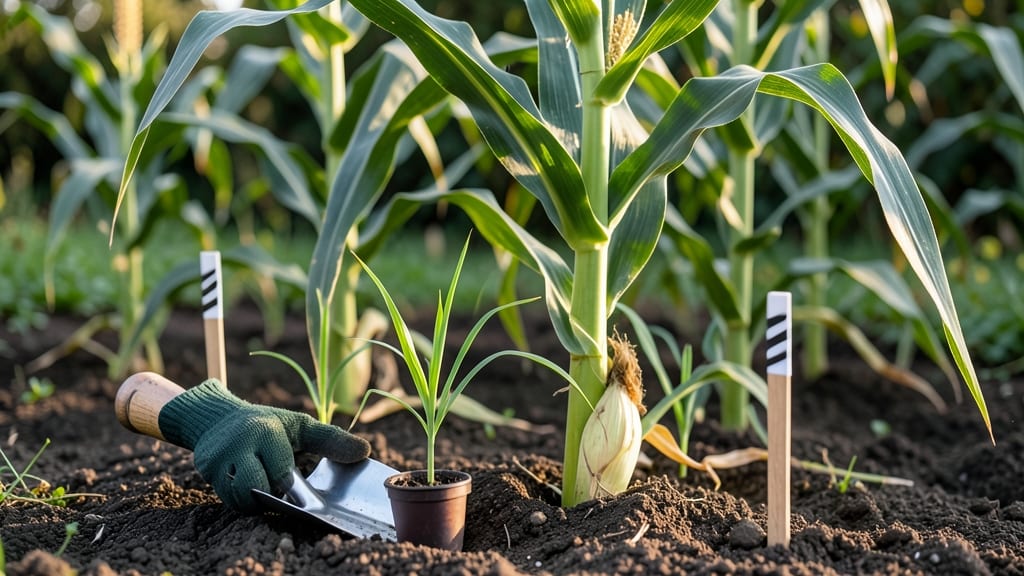
Timing your 🌽 corn planting in Minnesota isn’t just about the calendar—it’s about the soil temperature, and getting it wrong can mean the difference between a bountiful harvest and wasted seeds.
With Minnesota’s 4a-5b climate and unpredictable spring weather, knowing when to plant isn’t just helpful—it’s essential for fast germination and strong yields.
Most gardeners assume mid-April to early June is the window, but that’s only part of the story. The real secret lies in waiting for soil temperatures to hit 50°F consistently for at least a week, a trigger that ensures your seeds sprout quickly instead of rotting in cold, damp earth.
This small detail can save you from the frustration of slow starts or stunted plants.
In this guide, I’ll break down exactly when to plant based on your location in the state, whether you’re in the northern Zone 4a or southern Zone 5b, and how to adjust for early or late varieties.
You’ll also learn how to test soil temperature like a pro and avoid common mistakes that even experienced gardeners make.
By the end, you’ll have a clear, science-backed strategy to maximize your corn’s growth—so you can enjoy fresh, homegrown ears from late July through October without the guesswork. Let’s get started.
Minnesota corn planting dates by last frost and soil temperature zones
Timing your corn planting in Minnesota hinges on two critical factors: soil temperature and last frost dates. Unlike many crops, corn seeds need warm soil (50°F+) to germinate quickly—cold soil delays sprouting and invites rot.
My experience shows that planting too early in chilly Zone 4-5 soils often leads to patchy germination, while waiting too long risks stunted growth before frost.
Minnesota’s USDA Zones 4a-5b create regional differences. Northern areas (like Zone 4a) have shorter frost-free windows (120-130 days), while southern regions (like Zone 5b) enjoy 140-150 days.
This means your planting window shifts from late April in the south to mid-May in the north—but soil temperature dictates the final call.
Here’s the golden rule I follow: Plant corn when soil reaches 50°F consistently for 1-2 weeks and 1-2 weeks after the last frost date. This balance ensures seeds germinate quickly and plants mature before first frost (typically mid-October).
For example, in Zone 5a, I aim for May 1-15, while in Zone 4b, I wait until May 15-30.
The Minnesota State Climatology Office tracks frost dates, but I recommend checking local Almanac frost predictions too. Pro tip: Use a soil thermometer (not air temperature!) to confirm readiness.
I’ve seen 50°F soil in early May in sheltered urban gardens, while rural fields lag behind due to cold, wet springs.
For urban gardeners, microclimates matter. South-facing walls or black plastic mulch can warm soil 2-3°F faster than open fields. I’ve successfully planted early varieties in late April near heat-absorbing surfaces, shaving 10-14 days off the growing season.
Rural gardeners, however, should err on the side of caution—late May is safer for Zone 4a.
Now, let’s break down the ideal planting windows by region, including soil temperature thresholds and variety recommendations to maximize your yield. This summary table captures the essentials at a glance:
| Zone | Last Frost Date | Soil Temp Threshold | Planting Window | Best Varieties |
|---|---|---|---|---|
| 4a (North) | May 15-30 | 50°F+ for 10+ days | Late May (May 20-31) | Early: 'Early Sunglow' (70 days), 'Golden Bantam' (65 days) |
| 4b (North-Central) | May 1-15 | 50°F+ for 7-10 days | Mid-May (May 10-20) | Mid-Early: 'Ambrosia' (80 days), 'Country Gentleman' (85 days) |
| 5a (South-Central) | April 25-May 10 | 50°F+ for 5-7 days | Late April-Early May (Apr 25-May 10) | Mid-Late: 'Silver Queen' (90 days), 'Peaches and Cream' (95 days) |
| 5b (South) | April 15-25 | 50°F+ for 3-5 days | Mid-April (Apr 15-30) | Late: 'Bodacious' (100 days), 'Kandy Korn' (110 days) |
How to test soil temperature and adjust planting for fast germination
Testing your soil temperature is the secret weapon for Minnesota gardeners planting corn. Cold soils delay germination, leaving seeds vulnerable to rot or pests. Aim for 50°F or warmer for at least 1-2 weeks before planting—this triggers consistent sprouting even in Minnesota’s unpredictable spring.
Start monitoring soil temps 2-3 weeks before your target planting date. Use a soil thermometer (digital or analog) by inserting it 4-6 inches deep—this mimics where corn seeds will sit. Check readings in the morning and evening for accuracy, as temps fluctuate daily.
🌱Pro Tip: If your soil is below 50°F but you’re eager to plant, use black plastic mulch or row covers to warm the soil by 5-10°F. Lay these down 1-2 weeks before planting for faster results.
For fast germination, pair soil warmth with moisture consistency. Water the soil to 60-70% moisture before planting—this helps seeds absorb nutrients quickly. Use a moisture meter or the squeeze test: A handful of soil should hold together but not drip water.
If your soil temps are consistently above 60°F, you can plant 1-2 weeks earlier than the average window. However, watch for late frosts—Minnesota’s USDA Zones 4a-5b can still see frost into mid-May, so protect young plants with frost cloth if needed.
🌡️ Key Adjustments: Northern MN (Zones 4a-4b): Wait until May 15-June 1 for soil temps to stabilize. Southern MN (Zones 5a-5b): You can start as early as April 20-May 1 if soil is warm enough.