
Plants
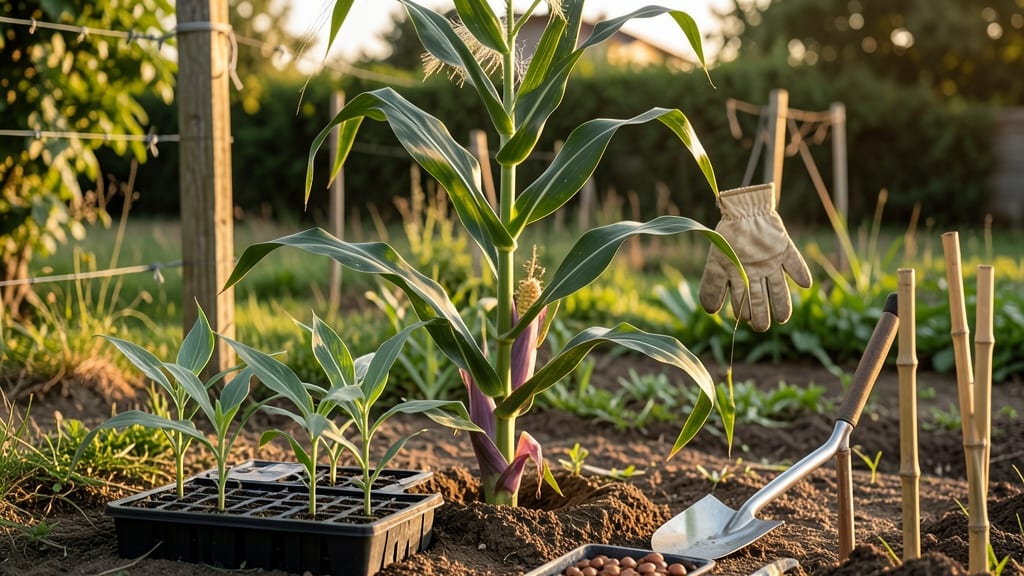
Timing your corn planting in Iowa can make the difference between a bumper crop of 🌽 sweet stalks and a disappointing harvest. The perfect planting window isn't just about waiting for spring—it's about aligning with soil warmth, frost dates, and your specific corn variety's needs.
Iowa's climate varies dramatically from south to north, meaning what works in Des Moines might fail in Sioux City. You need precise guidance tailored to your region's last frost averages and soil temperature triggers that ensure strong germination.
In this guide, I'll break down exactly when to plant corn in Iowa—from early-season varieties that can handle cooler soils to late-season types that thrive with summer's heat. You'll learn the critical factors that determine your planting date and how to adjust for Iowa's famously unpredictable weather patterns.
Whether you're a seasoned farmer or a backyard gardener, these insights will help you maximize your corn yield by planting at the ideal moment for your location and growing conditions.
Iowa corn planting timeline: exact weeks before last frost by region
Planting corn in Iowa isn’t just about the calendar—it’s about soil temperature, frost dates, and your specific region’s microclimate.
Iowa’s climate varies dramatically from southern to northern areas, meaning the perfect planting window in Des Moines might be too early for Dubuque or too late for Cedar Rapids. Let’s break it down by region so you can plant with confidence.
Corn seeds need soil temperatures of 50°F or higher to germinate properly. Waiting for this warmth—rather than just the calendar date—is key to avoiding slow growth or rot. In Iowa, this typically aligns with mid-April to early May, but your exact timing depends on where you live.
Southern Iowa often sees these conditions 1-2 weeks earlier than northern areas.
Here’s how to align your planting with Iowa’s three distinct climate zones and their average last frost dates. Use these as your starting point, then adjust based on your local soil temperature and weather forecasts.
| Region | Avg. Last Frost | Optimal Planting Window | Soil Temp. Trigger | Notes |
|---|---|---|---|---|
| Southern Iowa (e.g., Ottumwa, Burlington) | April 15 | April 20 - May 5 | 50°F+ for 5+ days | Warmest zone; can plant earliest |
| Central Iowa (e.g., Des Moines, Ames) | April 25 | May 1 - May 15 | 50°F+ for 7+ days | Moderate risk of late frosts |
| Northern Iowa (e.g., Waterloo, Dubuque) | May 5 | May 10 - May 25 | 50°F+ for 10+ days | Coolest zone; wait for stability |
For example, if you’re in southern Iowa, aim to plant by May 5 to ensure your corn matures before the first fall frost (typically around October 15). In northern Iowa, pushing past May 25 risks shorter daylight and cooler nights, which can stunt growth.
Pro tip: Use a soil thermometer to confirm temperatures. Corn seeds won’t sprout reliably below 50°F, and planting too early in cold soil can lead to seed rot or poor emergence. If your soil is still chilly, wait—your patience will pay off with stronger, healthier plants.
Another critical factor is corn variety maturity. A 100-day variety planted in southern Iowa by April 25 will likely mature in time, but the same variety planted in northern Iowa after May 15 might not reach full size before frost.
Always check your seed packet for days to maturity and count backward from your area’s average first frost date.
Don’t forget to account for unpredictable Iowa weather. A late frost in May or an early heatwave can throw off your timeline. Keep an eye on 10-day forecasts and be ready to cover young plants if frost is predicted.
Row covers or even old blankets can save your crop if temperatures dip unexpectedly.
Finally, consider succession planting for a continuous harvest. If you plant half your corn in early May and the other half in mid-May, you’ll stretch your harvest season from late July to early October.
This works especially well for sweet corn varieties, which have a shorter shelf life once picked.
Remember, the goal is healthy, vigorous plants that reach maturity before frost. Rushing or delaying too long can leave you with small ears or no harvest at all. With these regional guidelines, you’ll be well on your way to a bountiful corn crop in Iowa. 🌽
Critical factors that determine your corn planting date in Iowa
Choosing the right planting date for corn in Iowa isn’t just about checking a calendar—it’s about understanding how soil temperature, moisture levels, and corn variety maturity interact with your local climate.
These three factors are the foundation of your planting schedule, and getting them right can mean the difference between a thriving crop and a disappointing harvest.
First, let’s talk soil temperature. Corn seeds need consistent warmth to germinate, and planting too early in cold soil can lead to seed rot or uneven emergence. The magic number is 50°F or warmer for at least 5-10 consecutive days, depending on your region.
In Iowa, this typically happens between mid-April and early May, but northern areas may need to wait until late May for stable warmth.
- 🌡️ Soil Temperature: Wait for 50°F+ for 5+ days (southern IA) to 10+ days (northern IA). Use a soil thermometer to confirm.
- 💧 Moisture Levels: Plant when soil is moist but not soggy. Corn needs 1-1.5 inches of water per week once established.
- 🌽 Variety Maturity: Match your days-to-maturity with your region’s frost-free window. A 100-day variety in southern IA vs. a 120-day in northern IA.
- ☀️ Sunlight: Ensure your planting site gets 6-8 hours of direct sun daily. Corn is not a shade-tolerant crop.
- 📅 Weather Forecasts: Avoid planting during extended rain or frost warnings. Check 10-day forecasts before finalizing your date.
Next, moisture levels play a crucial role in germination and early growth. Corn seeds need consistent moisture to sprout, but planting in waterlogged soil can cause root rot or seedling disease.
Aim to plant when the soil is moist but well-draining. If your spring has been dry, consider pre-watering your planting rows a day or two before sowing to ensure ideal conditions.
Your corn variety’s maturity zone is another critical factor. Iowa spans multiple USDA hardiness zones, and corn varieties are bred for specific growing seasons.
For example, a 100-day variety planted in southern Iowa will mature in time, but the same variety in northern Iowa might struggle to reach full size before the first fall frost. Always check your seed packet for days to maturity and adjust your planting date accordingly.
Don’t overlook local weather patterns. Iowa’s spring can be unpredictable, with late frosts in May or early heatwaves that dry out the soil. Keep an eye on long-range forecasts and be prepared to adjust your planting date if needed.
For instance, if a hard frost is predicted within 10 days of planting, it’s better to delay than risk damaging young seedlings.
Finally, consider succession planting to extend your harvest. By planting half your corn in early May and the other half in mid-May, you can enjoy a continuous supply of fresh ears from late July through September.
This strategy is especially useful for sweet corn varieties, which are best eaten soon after picking. With these factors in mind, you’ll be ready to plant your corn at the perfect time for your Iowa location. 🌱