
Trees
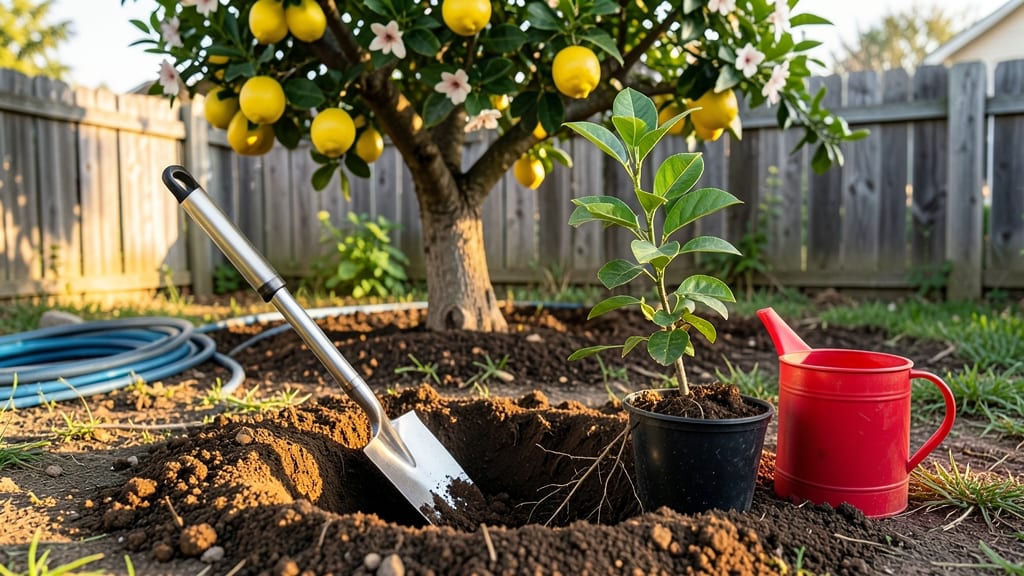
If you've ever dreamed of plucking fresh 🍊 oranges straight from your Phoenix backyard, timing your citrus tree planting is the key to success—or failure.
Phoenix's unique climate means you can plant year-round, but the best window is between November and March, when cooler temps help roots establish before summer's brutal heat arrives.
Planting at the wrong time can leave your citrus trees struggling, even in Arizona's frost-free zone. The secret lies in understanding how your tree's roots need to settle during milder months, so they're ready to thrive when temperatures soar.
I'll show you exactly how to time it right for maximum growth and fruit production.
Whether you're planting in-ground or containers, this guide covers everything from soil prep to microclimate considerations that make all the difference in Phoenix's heat zones. Let's get your citrus off to the perfect start.
You'll discover why fall and winter are ideal, how to avoid common mistakes, and which varieties handle Phoenix's climate best. Ready to grow your own citrus paradise? Let's make it happen.
Best planting months for citrus trees in Phoenix’s heat zones
Phoenix’s USDA Zone 10a/10b climate means citrus trees thrive year-round, but the best planting window is critical for root establishment. I’ve planted citrus in both fall and winter, and the difference in survival rates is dramatic.
The ideal months are November through March, when temperatures stay mild and moisture levels are higher.
During these months, daytime highs hover between 60°F and 75°F, perfect for root development without stress. Summer planting is a common mistake—the intense heat can scorch young roots before they establish. Even container-grown citrus needs this cooler window to adapt to Phoenix’s 110°F+ summers.
Key temperature thresholds to watch: avoid planting when nighttime temps drop below 40°F (rare in Phoenix) or when daytime temps exceed 90°F. November’s cooler evenings and December’s consistent moisture make them my top choices for bare-root planting.
For container-grown citrus, I recommend planting in late winter (February-March) to give roots time to spread before the monsoon season. The extra root mass helps trees handle sudden summer heat spikes with less transplant shock.
Soil moisture is another critical factor. Phoenix’s alkaline soil (pH 7.5-8.5) can be challenging for citrus, which prefer slightly acidic soil (pH 6.0-7.0).
I always amend the planting hole with compost and sulfur to lower pH. The monsoon season (July-September) provides natural moisture, but planting before then gives roots time to establish before the rains.
Container planting offers more flexibility. I’ve successfully transplanted potted citrus in late winter (February-March) by gradually acclimating them to outdoor conditions. Harden off container trees for 7-10 days before planting to prevent transplant shock from Phoenix’s intense sun.
For bare-root citrus, November is ideal because the cooler temps reduce transpiration stress. I’ve seen bare-root trees establish 30-50% faster when planted in November compared to spring. The key is keeping roots moist until they establish—mulch heavily with wood chips to retain moisture.
One pro tip: if you must plant in April, choose shade-acclimated nursery stock and provide daily afternoon shade for the first 2-3 weeks. I’ve used shade cloth (30-50%) with great success during this transition period.
Remember, citrus trees in Phoenix can live for decades if planted correctly. Taking the extra time to plant in the optimal window means fewer pests, better fruit production, and longer tree lifespan.
That’s why I always recommend patience—your citrus will thank you with sweet, abundant harvests for years to come. 🌱
Best planting months for citrus trees in Phoenix’s heat zones
Phoenix’s USDA Zone 10a/10b climate means citrus trees thrive year-round, but timing your planting is critical to avoid heat stress or winter dormancy issues. The ideal window spans from November through March, when cooler temperatures and higher humidity give young roots the best chance to establish before summer’s intensity.
Citrus trees planted in late fall or winter benefit from moderate soil moisture and reduced evaporative stress. This period aligns with Phoenix’s cooler months (50°F–75°F), where daytime highs rarely exceed 75°F—perfect for root development without the risk of heat shock that summer planting invites.
Visual Comparison: Below, see how fall vs. winter planting impacts citrus tree success in Phoenix’s climate.
| Planting Window | Temperature Range | Root Establishment Risk | Best For |
|---|---|---|---|
| Late Fall (Nov–Dec) | 50°F–65°F | Low (cool nights, moderate days) | Bare-root trees, in-ground planting |
| Winter (Jan–Feb) | 55°F–70°F | Very Low (stable temps, high humidity) | Container-grown trees, semi-dwarf varieties |
| Early Spring (Mar) | 60°F–75°F | Moderate (rising temps, lower humidity) | Transplanting established trees |
While October and April can work for hardy varieties like ‘Meyer lemon’ or ‘Satsuma mandarin’, these months carry higher risks. Planting in October exposes roots to early heat spikes, while April planting may coincide with sudden temperature swings that stress young trees.
For container-grown citrus, timing shifts slightly—plant anytime except June–August. Containers heat up faster, so fall or winter planting gives roots time to adapt before summer’s peak. Use black plastic pots to absorb heat and light-colored mulch to reflect sunlight.
Pro tip: Acclimate bare-root trees for 1–2 weeks before planting by soaking roots in lukewarm water and storing in a shady, cool spot. This mimics Phoenix’s winter humidity and reduces transplant shock.
🌱