
Plants
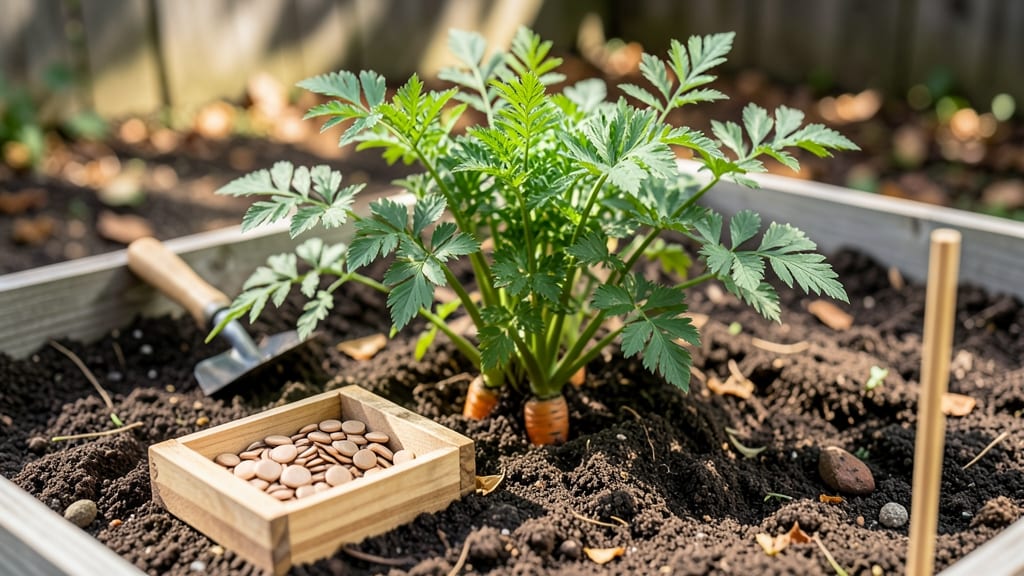
Timing your spring carrot planting wrong can mean the difference between a bountiful harvest and weeks of waiting for stubborn seeds to sprout. 🥕 Too early, and chilly soil keeps them dormant; too late, and summer heat stresses young plants.
The real secret? Planting when soil temps hit that sweet spot of 45-55°F—where germination kicks into high gear.
Most gardeners focus only on frost dates, but soil temperature is the game-changer for carrots. In Zone 6a, that means aiming for 2-4 weeks before your last frost—typically mid-March to early April—but only if the ground is ready.
A simple soil thermometer (or even your elbow!) can tell you when it’s time to act.
What happens if you plant too soon? Your seeds may rot in cold, wet soil. Too late, and you risk bolting—those bitter-tasting flowers that ruin your harvest. I’ll show you exactly how to sync your planting with soil conditions for fast, reliable germination every time, no matter where you garden.
From regional planting calendars to pro tips for stubborn soils, you’ll learn how to extend your carrot season and avoid common pitfalls. Let’s get those seeds in the ground at the perfect moment—so you can enjoy crisp, homegrown carrots all summer long.
Ideal soil temperature ranges for planting carrots in spring
Carrots are finicky about soil temperatures—too cold, and they won’t germinate; too hot, and they bolt. The sweet spot for carrot seeds is between 45°F and 85°F, with 50°F to 70°F being ideal for consistent sprouting.
Unlike many vegetables, carrots won’t germinate well in soil warmer than 85°F, which is why early spring planting requires patience and preparation.
In most regions, soil warms to 50°F just as the last frost date approaches. For example, in USDA Zone 5, this typically happens by mid-April, while in Zone 8, it can be as early as late February.
Using a soil thermometer (just $10 at garden centers) is the easiest way to check readiness—stick it 2 inches deep (where carrot seeds are planted) and wait for the temperature to stabilize in your target range.
If your soil is still too cold, don’t rush planting. Carrot seeds can take 2-3 weeks to germinate in perfect conditions, but in 45°F soil, they may never sprout. Instead, use black plastic mulch or a cold frame to warm the soil by 5-10°F and speed up germination.
This trick works especially well in northern climates where spring arrives slowly.
🌱 Carrot Soil Temperature Guide
| Stage | Soil Temp (°F) | Germination Time | Action |
|---|---|---|---|
| Planting | 45-50°F | 3+ weeks | Use mulch or cold frame |
| Ideal Sprouting | 50-70°F | 7-14 days | Keep soil moist |
| Risk of Bolting | Above 85°F | Seeds may fail | Plant in shade cloth |
💡 Pro Tip: Test soil temp at 10 AM for accuracy—early morning readings can be 10°F cooler.
Another common mistake? Planting carrots too early in heavy clay soil, which stays cold longer and compacts easily. Amend your beds with compost or sand to improve drainage and warmth.
For container growers, use well-draining potting mix (like a 50/50 blend of peat moss and perlite) and place pots in a sunny, sheltered spot to accelerate soil warming.
If you’re in a warmer climate (Zones 9-10), aim to plant carrots in late winter (January-February) to avoid the summer heat. In these regions, carrots often bolt by May, so succession planting every 2-3 weeks ensures a steady harvest.
For cooler zones, focus on April-May plantings and consider short-season varieties like ‘Paris Market’ or ‘Early Nantes’ for faster results.
One final trick: Soak seeds overnight before planting in cold soil. This jumpstarts germination by 24-48 hours, giving you a head start in chilly conditions. Just wrap seeds in a damp paper towel, seal in a plastic bag, and refrigerate for 12 hours—simple but effective!
Remember, carrots are slow starters compared to lettuce or radishes. Don’t be discouraged if sprouts take 3 weeks to appear. Patience pays off with straight, sweet roots—just keep the soil consistently moist (not soggy) and protected from pests like carrot rust fly.
For a foolproof method, pair your planting with companion plants like leeks or rosemary, which deter pests and improve flavor. And if all else fails, try indoor seed starting under grow lights until soil warms—this guarantees germination without waiting for Mother Nature.
Now that you’ve mastered the soil temperature puzzle, you’re ready to tackle regional planting schedules in the next section—where we’ll break down exact dates for USDA Zones 3-10 and how to stretch your carrot harvest all summer long. 🥕
Ideal soil temperature ranges for planting carrots in spring
Carrot seeds need consistent soil temperatures between 45°F and 85°F to germinate reliably. Cool spring soils below 50°F slow growth, while temperatures above 85°F can cause seeds to rot. Zone 6a gardeners like me often face this challenge—waiting too long means bolting, but planting too early risks frost damage.
The key is testing soil temperature before planting.
Use a simple soil thermometer ($10 at garden centers) to check depth. Carrot seeds should go into soil that’s warmed to at least 50°F at 1-inch depth. In my experience, this usually happens 2-4 weeks before last frost, but timing varies by region.
For example, Zone 3 may need to wait until late May, while Zone 8 can start in February.
| Stage | Soil Temp (°F) | Action |
|---|---|---|
| Pre-Planting | Below 50°F | Wait or use black plastic mulch |
| Optimal Germination | 50–65°F | Plant seeds ¼" deep |
| Risk Zone | Above 85°F | Use shade cloth or plant in late summer |
If your soil is too cold, try warming tricks like covering beds with black plastic mulch 1-2 weeks before planting. This raises soil temps by 5–10°F and speeds germination.
I’ve also had success with straw mulch—it insulates while keeping moisture consistent. Direct sowing is critical; carrots hate transplanting, and their roots need loose soil to grow straight.
For slow germination (common in cool climates), soak seeds in warm water for 24 hours before planting. This jumpstarts the process. Thin seedlings to 2–3 inches apart once they’re 2 inches tall—crowding leads to forked roots.
My Nantes variety always germinates faster than Danvers, so I prioritize those in early plantings.
Monitor soil moisture too—dry conditions below 50°F can stall sprouting. Keep the top inch of soil evenly moist (not soggy) until seedlings emerge. Once leaves appear, reduce watering slightly to prevent rot. Consistency is everything: carrots are finicky but rewarding when you nail the timing.
Pro tip: Plant successive batches every 2 weeks for a continuous harvest. This works even in short seasons—just adjust based on your last frost date. For example, if frost hits October 15, your final planting should be by mid-August to mature before cold sets in.