
Plants
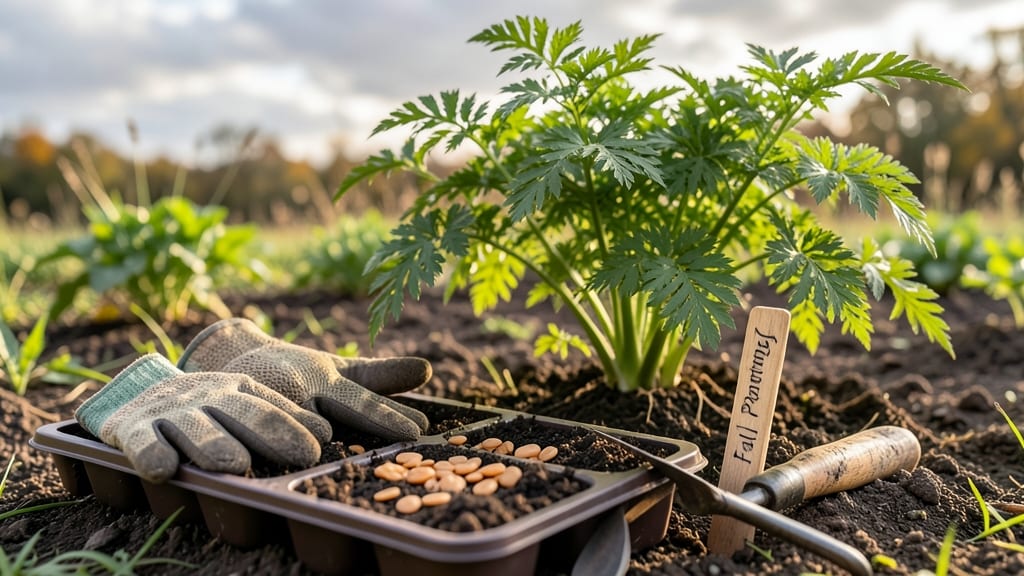
Knowing when to plant carrots in fall could mean the difference between a garden full of sweet, crisp 🥕 and tough, woody disappointments. The secret lies in timing it just right—4-6 weeks before your first frost—but even that depends on your local climate and soil conditions.
If you're in USDA Zone 6a (like many gardeners in the Midwest), aim for early September planting to ensure your carrots mature before winter sets in. But what if you're in a warmer southern zone or a cooler northern region?
The answer isn't one-size-fits-all, and getting it wrong can leave you with underdeveloped roots.
In this guide, I’ll break down the exact planting windows for your zone, plus how to adjust for microclimates like urban heat islands or high-elevation areas. You’ll also discover which carrot varieties thrive in fall and how to extend your harvest into winter if you’re feeling ambitious.
Ready to grow the perfect fall crop? Let’s dive into the details so you can enjoy homegrown carrots straight from the garden—crisp, sweet, and ready to harvest just when you need them.
Fall carrot planting schedule by USDA hardiness zones (weeks before frost)
Timing your fall carrot planting correctly means counting backward from your first frost date. Carrots need 60-80 days to mature, so aim to sow seeds 4-6 weeks before frost—but this varies dramatically by zone.
In USDA Zone 3 (like Minnesota), that might mean planting in late July to early August, while Zone 10 (Southern California) can wait until October.
Soil temperature is just as critical as frost dates. Carrot seeds won’t germinate below 45°F, so wait until your garden soil warms to at least 50°F—even if air temps feel cooler. Use a soil thermometer to check, especially in northern zones where early fall can be deceptive.
Here’s how to calculate your exact planting window: Subtract 60 days from your first frost date (for early varieties) or 80 days (for slower-maturing types). For example, if frost hits November 15, plant Danvers carrots (60 days) by September 15 and Nantes (80 days) by August 25.
| USDA Zone | First Frost Date | Planting Window | Soil Temp Requirement | Notes |
|---|---|---|---|---|
| Zones 3-4 | Mid-September to October 15 | Late July to August 15 | 50-60°F | Use cold-hardy varieties like Chantenay. |
| Zones 5-6 | October 15 to November 1 | Early August to September 1 | 50-55°F | Ideal for Danvers and Paris Market. |
| Zones 7-8 | November 1 to December 1 | Mid-August to September 15 | 55-60°F | Extend season with row covers. |
| Zones 9-10 | December 1 to January 1 | September to October 15 | 60-65°F | Plant short-day varieties like Nantes. |
Pro tip: In Zones 3-5, consider a second planting in early September for a late fall harvest. Just reduce spacing slightly (2 inches apart) to compensate for shorter daylight. For Zones 9-10, you can even plant into early November if you use low tunnels to protect seedlings.
One common mistake? Planting too late and ending up with small, stunted carrots. If your soil stays above 45°F but frost is imminent, opt for fast-maturing varieties (like Little Finger) or harvest young for baby carrots.
Always check your local Almanac frost dates—they’re more accurate than generic zone charts.
For elevation adjustments, subtract 1 week per 1,000 feet above sea level. A gardener in Denver (5,280 ft) should plant 2 weeks earlier than their zone suggests. Coastal areas? Add 1-2 weeks due to milder microclimates. Your local conditions matter more than the zone alone.
Finally, test your soil’s readiness with the finger test: Push your finger 2 inches deep. If it feels cool but not icy, and moisture clings slightly, your carrots are ready to go.
Planting at the right time ensures sweet, crisp roots—not the bitter, woody mess that comes from rushing or waiting too long.
🥕
How to adjust planting time for late fall harvests (microclimate hacks)
Your local microclimate can shift your ideal fall carrot planting window by weeks—sometimes even months. If you live in an urban heat island, your garden might stay warm enough for late plantings, while high-elevation areas could require earlier sowing.
Ignoring these factors means risking woody roots or stunted growth, even if you followed the zone guidelines.
For example, a coastal climate with mild winters might allow you to plant carrots as late as mid-October, while inland areas could need to start by early September.
The key is testing your soil’s readiness—cold soil slows germination, and seeds planted too late may never sprout before frost.
Here’s how to fine-tune your timing based on your specific conditions:
⚠️ Microclimate Warning: Don’t Trust Your Neighbor’s Schedule
Urban areas can be 5-10°F warmer than rural zones, delaying frost by 2-4 weeks. Conversely, high elevations (even 1,000 ft above sea level) may experience frost 2-3 weeks earlier than official forecasts.
Use a soil thermometer—carrot seeds need soil temps of at least 60°F to germinate. If your soil is cooler, wait or use row covers to warm it.
Another trick? Succession planting in 2-week intervals ensures a steady harvest. Start with early-maturing varieties (like Paris Market) in late summer, then follow with storage types (like Nantes) in early fall. This stretches your harvest window and reduces waste.
If you’re in a cooler northern zone, consider extending the season with cold frames or straw mulch. These methods can push your harvest into December**—just be sure to harvest before the ground freezes solid.
In warmer southern zones, focus on shade cloth to protect young seedlings from intense afternoon sun.
Pro tip: Observe your garden’s microclimate for a few years. Note when frost hits, how long soil stays workable, and which spots get the most/least sun. Adjust your planting schedule yearly based on these observations—your carrots will thank you with perfectly sweet roots every fall.