
Plants
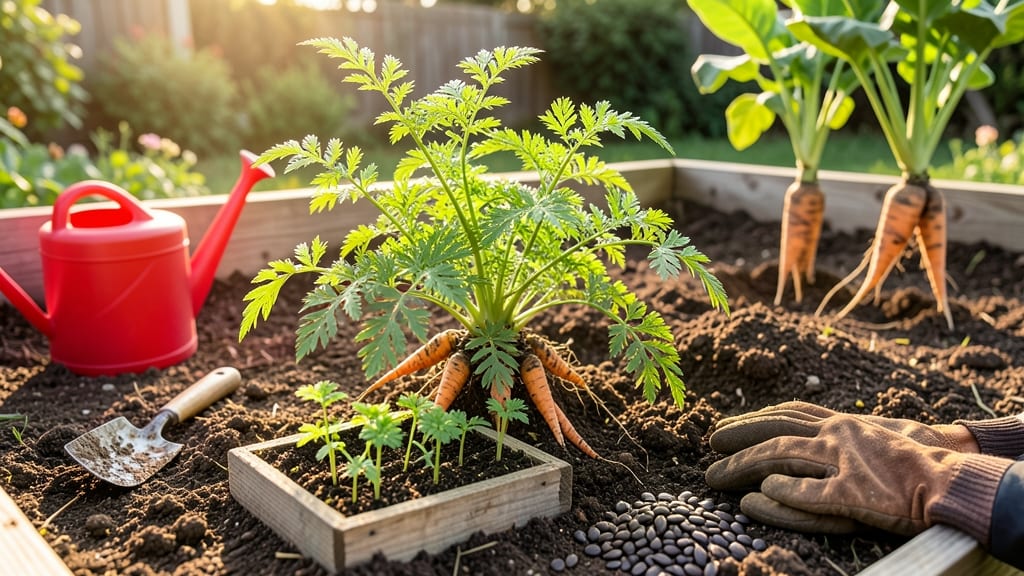
Planting carrots in Florida at the wrong time can mean the difference between a sweet, crisp harvest and bitter, bolted disappointment. With the right timing, you can enjoy fresh, homegrown 🥕 from fall through early spring—but get it wrong, and Florida’s heat or humidity will sabotage your garden before you even taste success.
Most gardeners in Florida’s 9a-11 zones know the struggle: plant too early in summer, and your carrots bolt before they even form roots. Too late, and pests or inconsistent soil temps derail growth.
The secret? A staggered planting schedule from September through March, when cooler temps and shorter days create ideal conditions.
I’ve grown carrots in Florida for years, and the key is understanding how to work with—not against—the climate. Whether you’re in North Florida’s cooler pockets or South Florida’s frost-free zones, this guide will show you exactly when to sow seeds for the sweetest, straightest carrots your garden has ever seen.
Ready to avoid common mistakes? Let’s break down the perfect planting window, soil prep tips, and how to extend your harvest season—so you can enjoy homegrown carrots all the way from October through May.
Florida carrot planting calendar by zone: best months for fall and spring harvests
Florida’s three distinct zones—North, Central, and South—each require slightly different planting strategies for carrots. The key is aligning your sowing dates with soil temperatures between 60°F and 80°F, avoiding Florida’s brutal summer heat and humidity.
In North Florida (Zones 8a-9a), you’ll work around first frost dates around mid-January, while South Florida (Zones 10a-11) gardeners can plant nearly year-round with minimal frost risk.
For all zones, the ideal planting window spans from September through March, with staggered sowings every 2-3 weeks to ensure a continuous harvest. This schedule balances cooler temps with adequate daylight, preventing the bolting (premature flowering) that ruins tender roots.
Let’s break it down by zone so you can pinpoint the perfect weeks to start your seeds.
🌱
| Zone | Best Planting Months | Soil Temp Range | Frost Risk | Harvest Window |
|---|---|---|---|---|
| North Florida (8a-9a) | September–March (staggered) | 60°F–75°F | High (Dec–Jan) | October–May |
| Central Florida (9b-10a) | August–April (staggered) | 65°F–80°F | Moderate (Dec) | September–June |
| South Florida (10b-11) | Year-round (best: Sep–Mar) | 70°F–85°F | None | October–July |
| All Zones | Avoid June–July | Above 85°F | Bolting risk | N/A |
In North Florida, where frost is a real threat, start your first sowing in late August to early September for a fall harvest. Follow up with monthly plantings through March to extend your season.
The last frost typically hits around January 15, so any seeds planted after that risk stunted growth or bolting if temps spike unexpectedly.
Central Florida gardeners have a 2-month advantage—you can begin in early August for a fall crop, then continue through April. The December frost risk is minimal but worth preparing for with row covers.
For example, if you plant in late November, use frost blankets to protect seedlings during cold snaps.
South Florida’s frost-free climate means you can technically plant carrots anytime, but the heat of summer (June–July) will cause seeds to bolt or rot. Focus on September through March for the best results.
Even in Miami, planting in May or June often leads to bitter, woody roots due to stress from high temps and humidity.
Pro tip: Use a soil thermometer to confirm temps are ideal before sowing. Carrot seeds need consistent moisture and warmth to germinate—aim for 65°F–75°F in the top inch of soil. If your soil runs cooler (common in North Florida’s winter), try black plastic mulch to warm it up before planting.
🌿
For spring harvests, plan to sow seeds in January or February (North/Central) or February–March (South). These plantings will mature just as summer’s heat ramps up, giving you a late spring harvest before bolting becomes an issue.
In my own garden, I’ve found that staggering seeds every 2 weeks from January through March ensures a steady supply of fresh carrots through May.
One common mistake Florida gardeners make is planting too late in the season. If you wait until April or May, your carrots may struggle with heat stress and carrot rust fly infestations.
Instead, prioritize fall and early winter plantings for the sweetest, crispest roots. For example, seeds sown in October will be ready to harvest by December, just in time for holiday meals.
💧
How to extend carrot growing season in Florida: avoiding bolting and heat stress
Florida’s long, hot summers and sudden heat spikes can turn your carrot dreams into bolting disasters—unless you take strategic steps. Carrots bolt (flower prematurely) when exposed to temperatures above 80°F or inconsistent moisture. The key to success? Succession planting in cooler months and using shade cloth during heatwaves.
I’ve learned that even a 30% shade cloth can lower soil temps by 10°F, giving your carrots the stable conditions they crave.
Start by planting your first batch in late August for a fall harvest, then follow up with monthly sowings until March. This staggered approach ensures you’re always harvesting fresh carrots while avoiding the peak summer heat.
For example, my November plantings mature just in time for Thanksgiving, while February seeds yield crisp roots by Easter—no summer stress in sight.
Another game-changer is choosing the right varieties for Florida’s climate. Danvers and Nantes varieties handle heat slightly better than standard types, but even they need protection. If you’re planting in April or May, use shade cloth (30-50%) during the hottest afternoons (12 PM–4 PM).
I’ve seen carrots under shade cloth grow 20% straighter and with fewer forks than those baked in full sun.
Avoid These Heat Stress Mistakes
- Overwatering in summer causes root rot—stick to morning watering only (1/2 inch per week).
- Skipping shade during 90°F+ days leads to bolting. Use 30-50% shade cloth for 4-6 hours daily.
- Planting too deep (over 1/4 inch) makes germination difficult in hot soil.
- Ignoring soil moisture—carrots need consistent dampness, not soggy soil.
Don’t forget about succession planting—it’s the secret to a continuous harvest. Sow a new batch every 2-3 weeks from September through March. For instance, if you plant 10 feet of carrots in September, follow up with 5 feet in October, then 5 feet in November.
This way, you’ll always have mature carrots ready to harvest while others are still growing.
For gardeners in South Florida (Zone 10-11), where frost is rare, focus on fall and winter plantings. Start in August for a September harvest, then plant again in October, November, and January.
The cooler winter months (December–February) are ideal for carrots, with soil temps between 60-70°F—perfect for root development. Even in Miami, a light mulch of straw can keep roots cool and moist.
Finally, avoid fertilizing during summer—it encourages leafy growth at the expense of roots. Instead, use a light feeding of 5-10-10 fertilizer in September and March to boost early growth. I’ve found that compost-rich soil is just as effective and reduces the risk of bolting.
With these strategies, you’ll enjoy crisp, sweet carrots year-round, no matter where you garden in Florida.