
Plants
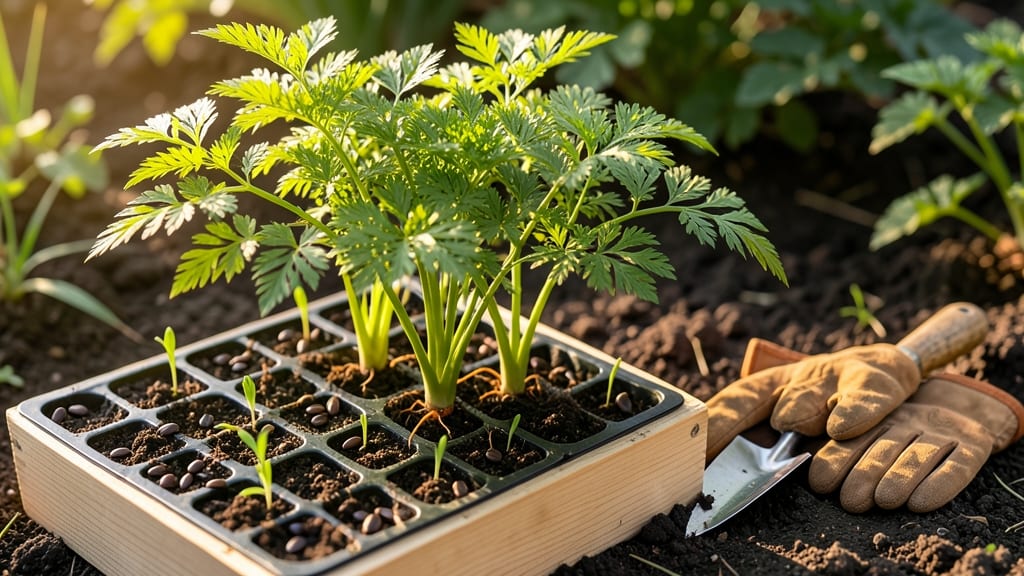
Timing your 🥕 carrot planting in Nebraska isn’t just about the calendar—it’s about beating frost, understanding your hardiness zone, and working with the state’s unpredictable weather swings.
Whether you’re in Omaha’s USDA Zone 5b or western Nebraska’s Zone 6a, getting those seeds in the ground at the right moment means the difference between a bountiful harvest and a sad, stunted crop.
I’ve spent years growing carrots here, and the key to success is knowing when to plant for both spring and fall harvests. Too early, and frost will nip your seedlings. Too late, and your growing season gets cut short by Nebraska’s infamous October chill.
The solution? A strategic planting window that aligns with soil temperatures, frost dates, and even microclimates—because what works in Lincoln might fail in the Panhandle.
In this guide, I’ll break down the exact months to plant carrots in Nebraska, from early spring’s first thaw to late summer’s second chance.
You’ll learn how to prepare your soil, time your succession plantings, and even extend your harvest into fall—so you’re pulling crisp, sweet 🥕 carrots right up until the first hard frost. Let’s get those seeds in the ground the right way.
No more guessing games. Just proven, region-specific advice tailored to Nebraska’s climate—so you can enjoy homegrown carrots from June through October, no matter where you garden.
Nebraska hardiness zones and carrot planting windows by region
Nebraska’s USDA hardiness zones 5a–7a create distinct planting windows for carrots, with Omaha, Lincoln, and western regions experiencing different frost risks. Understanding these zones helps you align planting with soil temperatures (50–65°F) and frost-free dates—typically April 15 (last frost) to October 15 (first frost).
Carrots thrive in cool-season conditions, so timing is everything to avoid bolting or frost damage.
In eastern Nebraska (Omaha/Lincoln), gardeners can start carrots as early as late March under row covers or wait until mid-April for direct sowing. Western Nebraska (Panhandle), with its drier climate and later springs, often waits until April 30–May 15 to plant.
Fall planting in all regions should begin by July 1–August 15 to ensure harvest before October’s first frost.
Here’s how Nebraska’s three key regions differ in planting windows:
| Region | USDA Zone | Spring Planting Window | Fall Planting Window | Key Notes |
|---|---|---|---|---|
| Omaha | 5b–6a | Late March–April 15 | July 1–August 15 | Early starts need row covers; avoid late spring heat. |
| Lincoln | 5b–6a | Mid-April–May 1 | July 15–August 30 | Soil warms faster; ideal for succession planting. |
| Western NE (Panhandle) | 5a–6b | April 30–May 15 | August 1–September 1 | Drier climate; water deeply to prevent forking. |
For Omaha and Lincoln, spring planting should start when soil reaches 50°F (use a soil thermometer). In western Nebraska, wait until soil hits 55°F to avoid slow germination. Fall planting is riskier but rewarding—choose cold-hardy varieties like ‘Nantes’ or ‘Danvers’ and plant 8–10 weeks before first frost.
Pro tip: Use black plastic mulch in early spring to warm soil faster, or straw mulch in fall to insulate roots. This extends your planting window by 2–3 weeks in both seasons.
Regional microclimates matter too. Urban areas (like Omaha) may have earlier frost-free dates due to heat islands, while rural farmland can experience later frosts. Check your local Almanac frost dates or use a frost calendar app for precision.
If you’re in zone 5a (western NE), prioritize short-season varieties like ‘Paris Market’ (50 days to maturity). Zone 6a–7a gardeners can try longer varieties like ‘Chantenay’ (70 days) but must plant earlier to avoid summer bolting.
Remember: Carrots hate competition. Thin seedlings to 2–3 inches apart to prevent forked roots and ensure straight, market-ready produce. Loose, stone-free soil is non-negotiable—work in compost or sand if your soil is heavy.
🥕
Step-by-step carrot planting timeline for Nebraska’s climate
Nebraska’s short growing season means timing is everything when planting carrots. To maximize your harvest, I’ve broken down the ideal planting timeline month by month, including soil temperature requirements and spacing tips tailored to our climate.
Start preparing your garden beds in late February by amending the soil with compost. Carrots thrive in loose, well-drained soil, so avoid heavy clay areas where roots may fork. Aim for a soil temperature of at least 50°F (10°C) before planting.
📅 Step-by-Step Carrot Planting Timeline
- March (Zone 6a-7a) - Plant seeds ¼ inch deep in rows spaced 12-15 inches apart. Use a seed starter or thin seedlings to 2-3 inches apart.
- April (All Zones) - Sow a second crop if frost threatens early blooms. Keep soil consistently moist to prevent seed desiccation.
- May-June - Thin seedlings to 3-4 inches apart for larger roots. Mulch with straw to retain moisture and suppress weeds.
- July (Succession Planting) - Sow final spring crop for fall harvest. Use row covers for early starts in cooler regions.
- August-September - Harvest mature carrots or let them overwinter with heavy mulch in protected beds.
For fall planting, aim to sow seeds by mid-July in western Nebraska or early August in eastern regions. Choose cold-hardy varieties like ‘Nantes’ or ‘Danvers’, which tolerate light frosts. Always plant seeds ¼ inch deep—never deeper—to prevent germination issues.
Monitor your garden closely in September for signs of bolting. Carrots exposed to long daylight hours may flower prematurely. If this happens, harvest immediately or remove the plants to prevent seed production.
Extend your harvest window by planting every 2-3 weeks from March through July. This succession planting strategy ensures a steady supply of fresh carrots from June through October, even in Nebraska’s variable climate.
Remember: Carrots need full sun (6-8 hours daily) and consistent moisture. Water deeply in the morning to reduce fungal risks and keep roots straight. With this timeline, you’ll enjoy homegrown carrots all season long! 🥕