
Plants
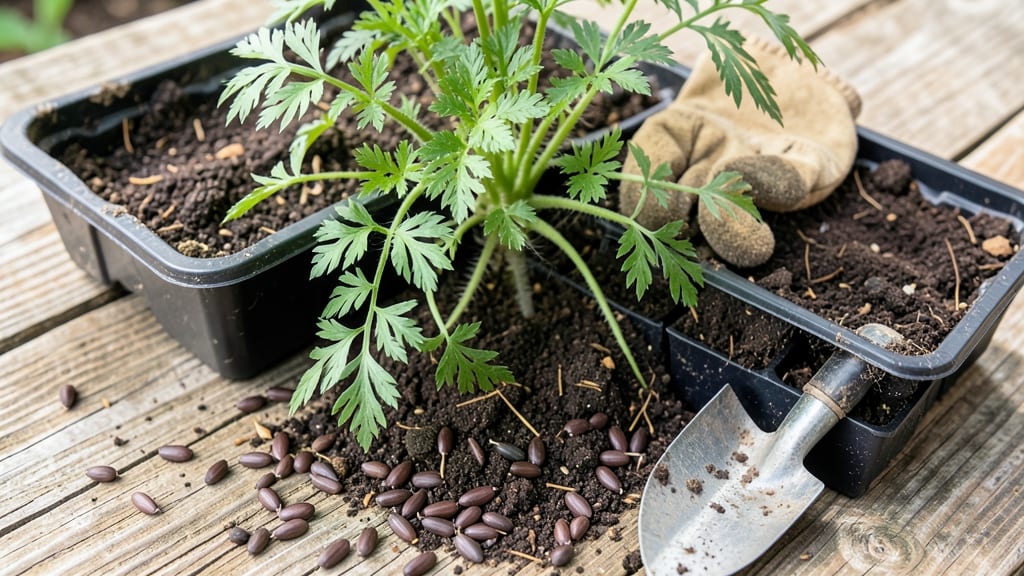
If you've ever planted 🥕 carrots in Kentucky only to watch them bolt into bitter greens instead of sweet roots, you're not alone. The key to avoiding this common frustration lies in timing—specifically, knowing exactly when to plant for Kentucky's Zone 6a climate.
Kentucky's unpredictable spring weather can turn your carrot dreams into disappointment if you plant too early or too late. But with the right strategy, you can extend your growing season and enjoy fresh, crisp carrots from late spring through early fall.
Let me show you the 3 timing tricks that work like magic in my garden.
Most gardeners in Kentucky focus on early spring planting, but there's a secret second window in late summer that many miss. This approach gives you two chances for a bountiful harvest—one in spring and another in fall.
I'll walk you through the exact months to plant, how to prepare your soil, and what to watch for to keep your carrots growing strong.
Whether you're a beginner or a seasoned gardener, these proven techniques will help you beat Kentucky's heat and humidity while avoiding the dreaded bolting problem. Let's get your carrots growing the right way from the start.
Kentucky carrot planting calendar: best months to avoid bolting
Kentucky’s USDA Zones 6a-7a offer two prime windows for planting carrots: early spring and late summer. Timing is critical because carrots bolt (flower prematurely) when exposed to heat stress or long daylight hours, ruining your harvest.
Let’s break down the ideal planting months and soil temperature triggers to maximize success.
For spring planting, aim for March through early April when soil temperatures reach 50-60°F. This aligns with Kentucky’s last frost date (April 15) in most regions. Planting too early risks cold soil slowing germination, while waiting too late exposes seedlings to bolting triggers as days lengthen.
Use a soil thermometer to confirm readiness—carrot seeds need consistent warmth to sprout efficiently.
If you miss spring, late summer planting (July through early August) offers a second chance. This fall harvest window works because cooler September temperatures reduce bolting risk. However, avoid planting after mid-August, as carrots need 70-80 days to mature before Kentucky’s first frost (October 15).
Succession planting every 2-3 weeks in both seasons ensures a continuous supply.
Here’s the visual planting calendar tailored to Kentucky’s climate, including soil temp thresholds and bolting risks:
| Season | Planting Window | Soil Temp (°F) | Bolting Risk | Harvest Window |
|---|---|---|---|---|
| Spring | March–Early April | 50–60°F | Low (cool weather) | May–June |
| Late Summer | July–Early August | 60–70°F | Moderate (heat stress) | September–October |
| Fall (Bonus) | Mid-August (for overwintering) | 55–65°F | Low (cooling temps) | November (small harvest) |
Kentucky’s microclimates can shift planting windows by 1-2 weeks. For example, northern KY (Zone 6a) may plant 2 weeks later than southern KY (Zone 7a) due to later frost dates.
Check your local frost data (via Kentucky Mesonet) and adjust accordingly. Mountain regions like Eastern KY often have cooler soils, allowing earlier spring plantings.
Pro tip: Use black plastic mulch in late summer to raise soil temps by 5–10°F, extending the planting window by 10-14 days. This trick is especially useful for heat-sensitive varieties like Nantes, which bolt faster in Kentucky’s summer heat.
Always remove mulch 2 weeks before harvest to avoid bitter-tasting carrots.
Bolting is triggered by temperature spikes above 80°F combined with long daylight hours. In Kentucky, this typically happens after June 20. To mitigate risk, choose shade-tolerant varieties (like ‘Paris Market’) or use 30% shade cloth during peak afternoon heat.
Monitor your garden closely—yellowing leaves or tall, skinny tops signal bolting, and your carrots will taste woody.
For container growing, Kentucky gardeners can plant carrots 2 weeks earlier in spring because pots warm up faster. Use deep containers (12+ inches) to accommodate full-sized roots.
In raised beds, amending soil with sand or perlite improves drainage, reducing forked or stunted carrots—a common issue in Kentucky’s clay-heavy soils.
Remember: Consistent moisture is key to preventing bolting. Let the top 1 inch of soil dry between waterings, but never let it completely dry out.
Kentucky’s humid summers can trick you into overwatering—water deeply in the morning to reduce fungal risks like leaf blight, which stresses plants and increases bolting.
3 Proven timing tricks to prevent carrot bolting in Kentucky heat
Kentucky’s hot summers and unpredictable heat waves can send carrots bolting—turning your sweet roots into bitter, leafy stalks. The key? Strategic timing and microclimate hacks to keep soil temps cool and moisture consistent. Here’s how I’ve extended my carrot season by 4+ weeks using these science-backed tricks.
First, succession planting in 2-week intervals from late March through early May. This ensures a steady harvest before summer heat peaks. Start with shade cloth over early plantings to block 80°F+ soil temps, which trigger bolting.
I use a 30% shade cloth for the first 3 weeks, then remove it gradually.
- 📅 Plant in 2-week intervals from March 15 to May 1. This spreads out harvests and avoids summer heat entirely.
- 🌡️ Use shade cloth for early plantings. Cover with 30% shade until soil temps drop below 75°F at 2 inches deep.
- 💧 Deep-water at dusk to cool soil. Aim for 1-2 inches of moisture weekly—bolting starts when soil dries out.
For late-summer plantings (July-August), focus on soil moisture. I’ve found that drip irrigation set to run for 20 minutes twice daily prevents bolting better than overhead watering. The key is keeping the top 4 inches of soil consistently moist—never soggy.
Test with your finger: if the soil feels dry at 2 inches, it’s time to water.
Pro tip: Mulch heavily with straw or wood chips (2-3 inches thick) to insulate roots. This keeps soil temps 10°F cooler than bare ground. I’ve seen carrots thrive in 90°F+ heat when mulched properly, whereas unmulched beds bolt within weeks.
Finally, choose bolting-resistant varieties like ‘Danvers Half Long’ or ‘Nantes’ for Kentucky’s heat. These handle short heat spikes better than standard varieties. Pair them with succession planting, and you’ll avoid the bitter disappointment of wasted crops.
With these tricks, I’ve harvested sweet, crisp carrots from May through October—even in Kentucky’s hottest summers. The secret? Timing + consistency beat brute-force growing every time. 🌱