
Companion Plants
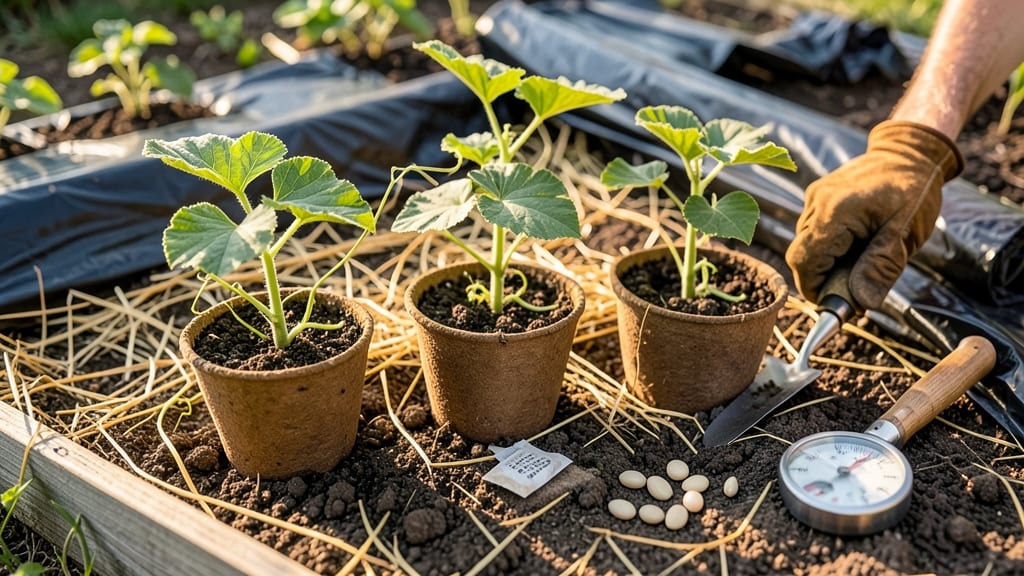
Timing your 🍈 cantaloupe planting in Pennsylvania isn’t just about the calendar—it’s about beating frost, warming soil, and setting up your vines for a sweet summer harvest. With USDA zones 5-7 throwing curveballs like late frosts or sudden heatwaves, one wrong move could mean wilted seedlings or bitter fruit.
But here’s the good news: by following zone-specific deadlines, you can turn those unpredictable springs into a foolproof growing season.
Most Pennsylvania gardeners swear by planting between April 15 and May 15, but that’s just the starting line. The real secret? Waiting until soil hits 70°F and nighttime temps stay above 50°F—because cantaloupes hate cold feet.
Whether you’re in Pittsburgh’s cooler microclimate or Philadelphia’s urban heat islands, I’ll break down exactly when to push those seeds into the ground for maximum yield.
You’ll also discover how to stretch your harvest window with simple tricks like row covers or heat-tolerant varieties. No more guessing games—just data-backed deadlines and pro tips to avoid the top 3 mistakes that sabotage PA cantaloupe gardens every year. Let’s get those vines growing the right way.
Ready to turn your backyard into a juicy cantaloupe oasis? The clock’s ticking—literally. Grab your gloves, and let’s dive into the exact planting schedule that’ll have you slicing into ripe fruit by July.
Pennsylvania’s ideal cantaloupe planting dates by hardiness zone
Pennsylvania’s diverse climate zones (5b through 7a) mean cantaloupe planting deadlines vary by 10-14 days between regions. In Zone 5b (northwest PA), you’ll need to wait until mid-May for safe planting, while Zone 7a (southeast PA) can start as early as late April.
The key? Soil temperature must reach 70°F+—cantaloupes won’t germinate in cold soil, no matter how warm the air feels.
Most Pennsylvania gardeners face late spring frosts, especially in higher elevations like the Poconos or Allegheny Mountains. These areas should avoid planting before Memorial Day (May 25th) to prevent frost damage. Even in warmer zones like Philadelphia or Lancaster, a single late frost can wipe out seedlings overnight.
I’ve planted cantaloupes in central PA (Zone 6b) for years, and my rule of thumb is: Wait until Mother’s Day weekend (second Sunday in May) unless you’re using row covers. This gives you a 90% buffer against late frosts while ensuring soil warmth.
For urban gardeners in cities like Pittsburgh or Scranton, add 7-10 extra days to account for heat islands that can create microclimates.
| PA Zone | Last Frost Date | Ideal Planting Window | Soil Temp Threshold | Notes |
|---|---|---|---|---|
| 5b (Erie, Bradford) | May 15 | May 20–June 1 | 70°F+ | Use black plastic mulch to warm soil faster |
| 6a (State College, Harrisburg) | April 25 | May 1–May 15 | 70°F+ | Start seeds indoors 3 weeks early |
| 6b (Lancaster, Reading) | April 15 | April 25–May 10 | 70°F+ | Best zone for cantaloupe—long growing season |
| 7a (Philadelphia, Wilmington) | April 5 | April 15–April 30 | 65°F+ (earlier start possible) | Use heat-tolerant varieties like ‘Athena’ |
If you’re direct-sowing seeds (not transplanting), aim for April 15–May 15 in most of PA. For transplants, wait until after May 1—young cantaloupe plants are extremely frost-sensitive.
I once lost 12 seedlings in Zone 6a because I planted too early; now I always check the Pennsylvania State Extension’s frost maps before seeding.
For urban gardeners with limited space, consider container-growing in 5-gallon pots. Containers warm up 3–5°F faster than in-ground soil, letting you plant 10–14 days earlier. Just ensure pots have drainage holes and use lightweight potting mix—cantaloupe vines can weigh 20+ lbs at harvest!
One critical mistake I see often? Planting cantaloupes too close to spring and then skipping mulch. Without mulch, soil temperatures fluctuate wildly, causing uneven germination.
Spread black plastic mulch or straw 1–2 weeks before planting to lock in heat. In cooler zones (5b-6a), this can advance planting by 7–10 days.
Pro tip: Use a soil thermometer—it’s the only reliable way to confirm soil warmth. Stick it 2 inches deep in the afternoon; if it reads below 70°F, wait 3–5 more days
Pennsylvania’s ideal cantaloupe planting dates by hardiness zone
Timing is everything when planting cantaloupe in Pennsylvania. Since PA spans USDA zones 5b-7a, your exact planting window depends on where you live. In northern PA (zones 5b-6a), like Erie or Scranton, wait until after the last frost date (mid-May) and soil warms to 70°F+.
Meanwhile, southern PA (zones 6b-7a), like Philadelphia or Pittsburgh, can start as early as late April—but only if nighttime temps stay above 50°F.
Cantaloupes are warm-season crops that hate frost. Even a light freeze can kill seedlings, so don’t rush! Use a soil thermometer to confirm readiness—70°F soil is non-negotiable for germination. In cooler zones, consider black plastic mulch to warm the soil faster and extend your season.
Here’s a quick guide to zone-specific deadlines for planting cantaloupe in PA:
| Zone | Last Frost Date | Planting Window | Soil Temp Requirement |
|---|---|---|---|
| 5b (Erie, Scranton) | Mid-May | May 15–June 1 | 70°F+ |
| 6a (State College) | Early May | April 30–May 15 | 70°F+ |
| 6b (Harrisburg) | Late April | April 15–May 1 | 70°F+ |
| 7a (Philadelphia) | Mid-April | April 1–April 15 | 65°F+ (earlier start) |
Pro tip: Start seeds indoors 3–4 weeks before your zone’s last frost date. Use biodegradable pots to avoid transplant shock when moving seedlings outdoors. Harden them off by placing them outside for 2–3 hours daily in the week leading up to transplanting.
If you’re in zone 5b or 6a, consider heat-tolerant varieties like ‘Hale’s Best’ or ‘Ambrosia’—they handle cooler soils better than standard types. For southern PA zones (6b-7a), you can even try a second planting in early June for a late-summer harvest.
Remember: Cantaloupes need warmth to thrive. If your soil isn’t ready by the recommended window, don’t force it—wait for the right conditions or use row covers to create a microclimate. Patience now means sweeter, bigger melons later!