
Plants
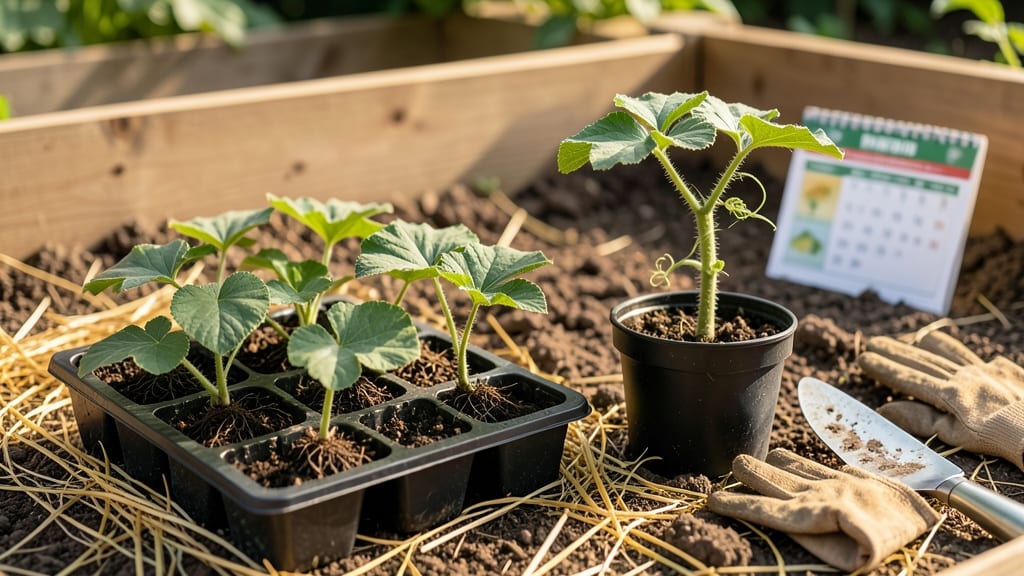
Planting cantaloupe in Florida isn’t just about timing—it’s about avoiding the bitter disappointment of bolting vines or stunted fruit. With the right spring planting window, you can turn your garden into a sweet, sun-drenched cantaloupe oasis instead of a lesson in what not to do.
Florida’s warm climate might seem perfect for cantaloupe, but the key trick is planting when soil temperatures hit that sweet spot—too early, and your plants will bolt; too late, and summer’s relentless heat can stress them out.
I’ve grown cantaloupe in Florida for years, and these exact regional dates will help you skip the trial-and-error phase.
Whether you’re in North Florida’s cooler springs or South Florida’s early heat, we’ll break down the best months to sow seeds and when to expect those first golden, fragrant melons. No more guessing—just proven strategies to maximize your harvest before the season slips away.
Ready to grow cantaloupe that rivals the ones at the farmers’ market? Let’s dive into the perfect planting schedule for your corner of the Sunshine State, so you can enjoy homegrown sweetness all summer long.
Florida cantaloupe planting calendar by region: exact dates to prevent bolting
Florida’s warm climate makes cantaloupe a fantastic crop—but timing is critical to avoid bolting (premature flowering) or heat stress. Unlike northern states, Florida’s three distinct regions (North, Central, South) have unique frost-free windows and soil temperature thresholds.
Plant too early, and seedlings will suffer; too late, and summer’s brutal heat will stunt growth.
For optimal yields, aim for soil temperatures above 70°F and frost-free conditions. Florida’s last frost dates vary wildly: North Florida may see light frosts until mid-March, while South Florida rarely drops below freezing. Below is your region-specific planting guide to maximize sweet, ripe cantaloupes.
⚠️ Pro Tip: Use a soil thermometer to confirm 70°F+ soil temps before planting. Cold soil delays germination and invites rot.
| Region | Last Frost Date | Ideal Planting Window | Soil Temp Threshold | Harvest Window |
|---|---|---|---|---|
| North Florida (Jacksonville, Gainesville) | Mid-March | March 15–April 15 | 70°F+ | June–August |
| Central Florida (Orlando, Tampa) | Mid-February | February 15–March 31 | 70°F+ | May–September |
| South Florida (Miami, Fort Lauderdale) | Rare (Dec–Jan) | January 15–March 15 | 70°F+ | April–October |
🌱 Key: Plant after last frost when soil reaches 70°F+ for best germination.
North Florida gardeners should start seeds indoors in late February to transplant outdoors by March 15. Central Florida’s milder winters allow for direct sowing as early as February 15, but wait until soil warms to avoid cold damage.
South Florida’s extended growing season lets you plant twice yearly: once in January for early fruit, and again in August for a fall harvest.
Missed the spring window? Don’t panic—fall planting works too! Aim for August–September in North/Central Florida to harvest before first frost (typically November–December). South Florida can even squeeze in a late-summer planting (June–July) for a winter harvest, though yields may be smaller due to humidity stress.
Watch for soil temperature spikes in April–May, which can cause bolting. If your seedlings flower prematurely, move them to partial shade and reduce watering slightly to delay fruit set. Mulch heavily with straw or black plastic to stabilize soil temps and retain moisture during Florida’s dry seasons.
⚠️ Warning: Avoid planting cantaloupe in summer’s peak heat (June–July in most regions). Soil temps can exceed 90°F, causing root burn and poor germination. If you must plant late, use shade cloth and drip irrigation to protect seedlings.
For consistent harvests, stagger plantings every 2–3 weeks within your region’s window. This ensures a steady supply of ripe cantaloupes instead of a single overwhelming harvest. Pair your cantaloupe patch with companion plants like basil or nasturtiums to deter pests and improve flavor.
After planting, monitor for cucumber beetles and squash vine borers, common Florida pests. Use row covers early in the season and neem oil sprays as needed. With the right timing, your cantaloupe vines will thrive, producing juicy, sweet fruit all season long.
How to adjust planting dates for early or late varieties in Florida’s heat
Florida’s unpredictable spring heat spikes can turn your cantaloupe seedlings into bitter, bolted plants before they even ripen. The key is adjusting planting dates based on variety heat tolerance and using protective strategies to extend your growing window.
For example, early varieties like ‘Sugar Cube’ can handle cooler soil, while late-season types like ‘Athena’ need warmer conditions to thrive.
If you’re planting in North Florida’s cooler zones, start seeds indoors 4-6 weeks before your last frost date (typically mid-March). For Central and South Florida, where frost is rare, focus on soil temperature—aim for 70°F+ before transplanting seedlings outdoors.
This timing prevents the shock of sudden heat that triggers bolting.
Here’s my pro tip: Use black plastic mulch or row covers to warm soil faster in spring. This lets you plant 2-3 weeks earlier than usual without risking cold damage. Just remove covers once vines start running to avoid overheating.
For fall plantings, time it right by sowing seeds in late July to early August. This gives vines time to establish before cooler temps slow growth. In South Florida, you can even extend harvests into early winter by choosing heat-tolerant varieties and using low tunnels for extra warmth.
Monitor your cantaloupe’s leaf color after transplanting—yellowing leaves signal heat stress. Increase watering to 1 inch per week and apply mulch to retain moisture. This simple adjustment can add 3-4 weeks to your growing season, meaning more fruit before Florida’s unpredictable weather cuts you short.
Pro move: Pair cantaloupes with companion plants like radishes or lettuce. These shallow-rooted crops shade the soil, keeping roots cooler during spring’s hottest afternoons. It’s a win-win for both plants and your sanity in Florida’s furnace-like summers.