
Plants
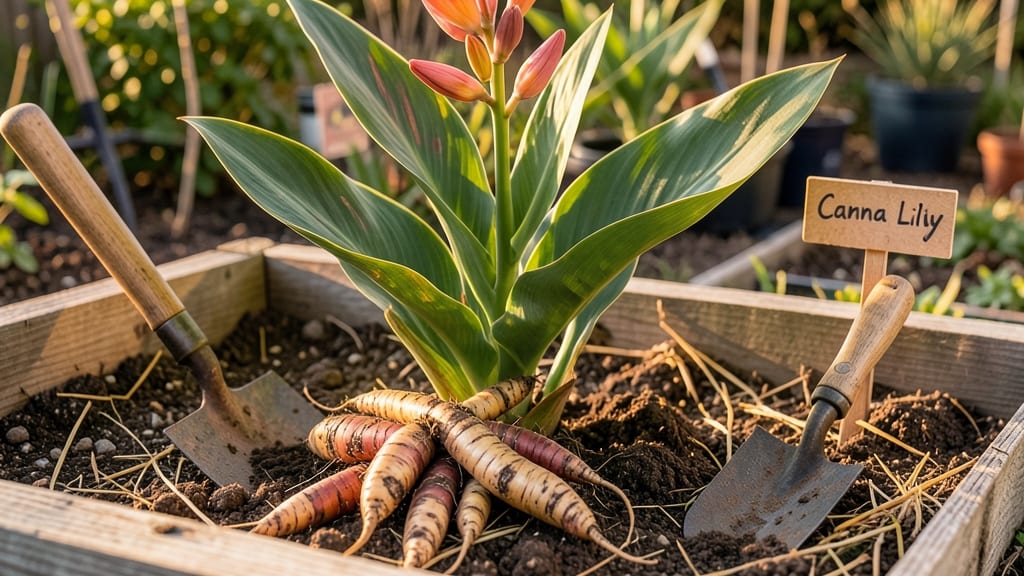
If you've ever planted Canna Lily 🌺 bulbs in Texas only to watch frost nip them before they even bloom, you're not alone.
The key to vibrant, thriving cannas lies in mastering the perfect timing—because planting too early risks frost damage, while waiting too long means missing peak summer color.
Texas gardeners know that March and April are the sweet spots for planting these heat-loving beauties, but the exact window depends on your USDA zone—whether you're in frost-prone 8a or more forgiving 11.
I'll break down the science behind frost-free timing and how to prep your soil for cannas that explode with 3-7 foot tropical drama.
Beyond just the calendar, I'll share my pro tips for selecting sturdy bulbs, adjusting for urban heat islands, and pairing cannas with Texas-friendly companions. By the end, you'll know exactly when to dig in—and how to keep your 🌺 garden flourishing all summer long.
Ready to transform your yard into a lush, low-maintenance paradise? Let's get those canna bulbs in the ground at the ideal moment for your corner of Texas.
Texas heat-zone map: best canna planting months by region
Texas spans USDA zones 8a-10a, meaning canna bulbs can thrive year-round in some areas but face late-spring frosts in others. The key is planting after your average last frost date—typically mid-March in North Texas and early April in South Texas.
Urban heat islands (like Houston or Dallas) may push planting 1-2 weeks earlier due to warmer microclimates.
Canna bulbs are tender perennials that die back in frost but regrow from the same rhizomes in warmer zones. In North Texas (8a-9a), wait until soil temperatures hit 60°F+ and nighttime lows stay above 45°F.
In South Texas (9b-10a), you can plant as early as February in protected microclimates, but avoid unpredictable late frosts.
Pro Tip: Use a soil thermometer to confirm 60°F+ soil temps before planting. Cold soil slows root growth and invites rot. Pair this with checking your local Cooperative Extension Service frost maps for precise timing.
| Texas Region | USDA Zone | Avg Last Frost | Ideal Planting Window | Soil Temp Threshold |
|---|---|---|---|---|
| North Texas | 8a-9a | Mid-March | Late March - Early April | 60°F+ |
| Central Texas | 8b-9b | Early March | March - Mid-April | 60°F+ |
| South Texas | 9b-10a | Late February | February - March | 55°F+ |
| Urban Heat Islands (Houston/Dallas) | 8b-9a | Early March | Late February - Early April | 58°F+ |
Urban areas like Dallas-Fort Worth and Houston often experience microclimates 5-10°F warmer than rural zones. Test your soil with a digital thermometer for 3 consecutive days to confirm readiness. In East Texas (9a), prioritize well-draining soil to avoid soggy conditions from spring rains.
For container gardening, plant cannas in black pots (absorbs heat) and place them in full sun. Containers warm up faster, letting you plant 2-3 weeks earlier than in-ground. Just ensure pots have drainage holes to prevent rot.
If you’re in Zone 8a (North Texas), consider starter plants instead of bulbs for a head start. Nurseries often carry cannas by mid-April, giving you 3-4 weeks of growth before peak summer heat.
For bulbs, soak them in lukewarm water for 24 hours before planting to kickstart root growth.
Remember: Canna bulbs hate cold soil. Even if daytime temps are warm, nighttime chills below 50°F can stunt growth. Use row covers or plant near south-facing walls to create a warmer microclimate if needed.
After planting, mulch with 2-3 inches of straw to retain soil warmth and suppress weeds. This is especially critical in West Texas (9a-10a), where soil can cool rapidly at night. Monitor for aphids—a common early-season pest in Texas cannas—and treat with neem oil if spotted.
🌺
Signs your Texas soil is ready for canna bulbs (before planting)
Before sticking those canna bulbs in the ground, Texas gardeners must check soil readiness—or risk stunted growth from lingering winter chill. The key is soil temperature and moisture balance, not just the calendar date.
Canna bulbs need consistently warm soil (at least 60°F) to sprout reliably, and Texas' unpredictable spring weather can throw off even the best-laid plans.
Start by testing your soil temperature with a simple soil thermometer—bury it 2-3 inches deep where you plan to plant. If readings dip below 60°F, wait another week.
Most Texas regions hit this mark by mid-March in North Texas and early March in South Texas, but urban heat islands (like Dallas or Houston) may warm up 1-2 weeks earlier.
⚠️ Warning: Cold Soil = Slow or No Growth
Cold soil (below 55°F) can trigger rot in canna bulbs. If your thermometer shows 50°F or lower, delay planting until temperatures stabilize. Even nighttime lows matter—cannas hate chilly evenings after warm days.
Next, assess moisture levels. Cannas thrive in well-draining soil that stays consistently moist but never soggy. Stick your finger 2 inches deep—if the soil feels dry, water thoroughly 24 hours before planting.
Overly wet soil (common in clay-heavy Texas soils) can suffocate bulbs, so amend with compost or sand if drainage is poor.
Don’t forget to check for residual winter chill in shaded or low-lying areas. These spots stay cooler longer, delaying bulb activation. If your yard has microclimates (like a north-facing bed), plant cannas in the sunniest, warmest spot available—even if it means moving them later in the season.
Finally, look for earthworm activity as a sign of healthy, aerated soil. Healthy soil teeming with worms means your cannas will have easy access to nutrients and better root establishment. If you see few worms, add well-rotted compost or leaf mold to boost microbial life before planting.
Once your soil hits 60°F+, drains well, and shows signs of active microbial life, your cannas are ready to go in! Just remember: patience beats perfection—waiting a few extra days for ideal conditions ensures vibrant blooms all summer. 🌺