
Plants
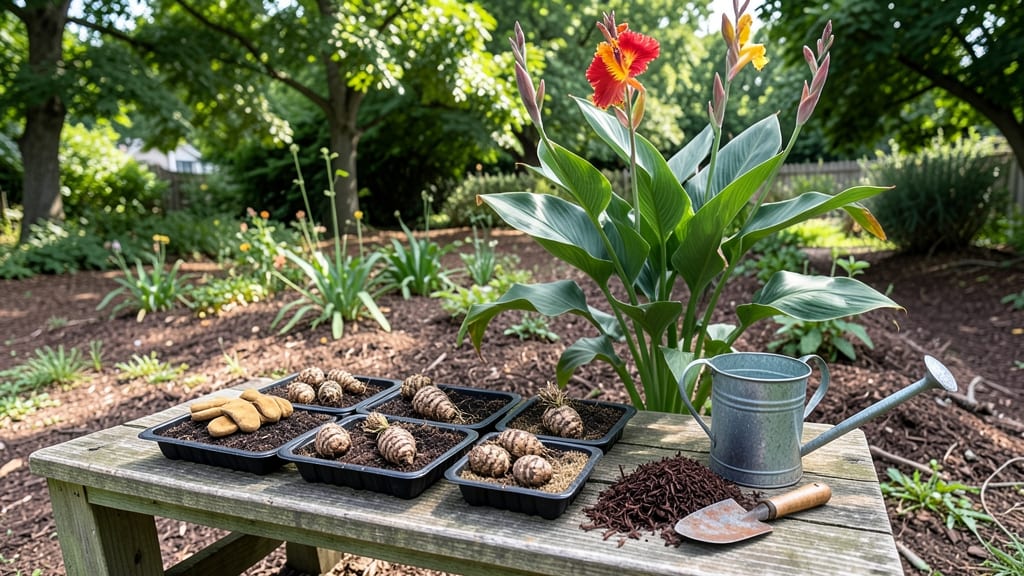
Timing your canna planting in Zone 7 could mean the difference between a garden bursting with 🌺 bold blooms and a missed opportunity for summer color. Unlike some plants that thrive in cooler soil, cannas demand warmth—plant them too soon, and frost will zap your progress.
Most Zone 7 gardeners wait until after the last frost date, usually between mid-April and early May, when soil temperatures consistently hit 60°F or higher. But here’s the catch: even in Zone 7, late frosts can sneak up, especially in the northern 7b areas.
I’ll show you how to time it perfectly—whether you’re treating cannas as annuals or perennials in your climate.
You’ll also discover how to prep your soil, protect young shoots from unexpected chilly nights, and extend the growing season for maximum impact. No more guessing—just a clear, step-by-step plan to get your cannas thriving from the moment they hit the ground.
Ready to transform your garden into a tropical paradise? Let’s dive into the exact strategy that works for Zone 7’s unique conditions, so you can enjoy those showstopping blooms all season long.
Optimal planting dates for cannas in Zone 7 based on soil temperature
In Zone 7, cannas thrive when planted after the last frost date—typically between mid-April and early May—but the real secret lies in soil temperature.
These tropical beauties need warm soil (55°F+) to sprout successfully. Waiting for both frost-free conditions and warmer soil ensures your cannas burst into growth without risking frost damage.
Northern Zone 7a areas (like parts of Virginia or the Midwest) have colder springs and may need to wait until late April or early May, while Zone 7b (southern areas like North Carolina or Georgia) can plant as early as mid-April.
Always check your local last frost date and monitor soil temps with a soil thermometer for accuracy.
Here’s the golden rule: Plant cannas only when soil temps consistently stay above 55°F for at least a week. Cold soil can stunt growth or even kill young rhizomes.
If you’re eager to start early, consider container gardening—pots warm up faster and give you more control over soil temperature.
| Zone 7 Sub-Region | Last Frost Date | Optimal Planting Window | Soil Temp Requirement |
|---|---|---|---|
| Zone 7a (Northern) | Mid-April | Late April - Early May | 55°F+ (consistently) |
| Zone 7b (Southern) | Early April | Mid-April - Late April | 55°F+ (consistently) |
| Containers (Anywhere) | Flexible | Late April - Early June | 60°F+ (soil in pots warms faster) |
🌱 Pro Tip: Use black plastic mulch to warm soil 2-3°F faster if you're rushing the season!
If you’re planting cannas in containers, you gain flexibility—soil in pots warms up 2-3°F faster than in-ground soil. This means you can start as early as late April in most of Zone 7, even if the ground is still chilly.
Just ensure your containers have drainage holes to prevent waterlogging, which can rot rhizomes.
For in-ground planting, amend your soil with compost or aged manure before planting to improve drainage and fertility. Cannas love rich, well-draining soil with a slightly acidic to neutral pH (6.0-7.0). If your soil is heavy clay, mix in sand or perlite to prevent water pooling around the rhizomes.
One common mistake is planting cannas too early and risking frost damage. If you’re unsure about your local frost dates, err on the side of caution—wait until after May 1 in Zone 7a to be safe.
You can always harden off your rhizomes indoors under grow lights for a few weeks before transplanting if you’re eager to start sooner.
In Zone 7, cannas are often treated as annuals because they struggle to survive winter frosts. However, if you live in a microclimate with milder winters (like near a large body of water or in a sheltered garden spot), you might get away with leaving them in the ground.
But digging and storing rhizomes is the safer bet for most gardeners.
Once planted, cannas grow rapidly—expect 3-4 feet of height by midsummer if conditions are ideal. To maximize blooms, fertilize lightly with a balanced 10-10-10 formula every 4-6 weeks once growth starts. And remember: deadhead spent blooms to encourage more flowers!
Optimal planting dates for cannas in Zone 7 based on soil temperature
In Zone 7, the last frost date typically falls around April 15, but don’t rush to plant your canna rhizomes just because the air feels warmer. These tropical beauties need soil temperatures of at least 55°F—and ideally 60°F or warmer—to thrive.
Planting too early can stunt growth or even kill young shoots if a late frost hits.
For northern Zone 7 (7a), aim for mid-to-late May when soil is consistently warm.
In southern Zone 7 (7b), you can start as early as late April, but always check soil temps with a thermometer. Heatwaves in May can also accelerate growth, so have your mulch and watering plan ready.
| Zone 7 Subtype | Optimal Planting Window | Soil Temp Requirement | Key Consideration |
|---|---|---|---|
| Zone 7a (Northern) | Mid-to-late May | 60°F+ consistently | Late frosts common |
| Zone 7b (Southern) | Late April to early May | 55°F+ minimum | Warmer microclimates possible |
| Both Subtypes | After May 15 (backup date) | 60°F+ guaranteed | Best for reliable blooms |
If you’re eager to start earlier, consider container gardening with heat mats or a greenhouse to warm the soil faster. For in-ground planting, amend your soil with compost to help it warm up quicker. Black plastic mulch can raise soil temps by 5-10°F, giving your cannas a head start.
Pro tip: Soak your rhizomes in warm water for 24 hours before planting to kickstart growth. This is especially helpful if you’re planting in cooler-than-average springs. Pair this with a slow-release fertilizer at planting time to fuel early root development.
Remember, cannas are not cold-hardy—they’ll die back to the ground in fall, but their rhizomes (underground stems) survive winter if protected. In Zone 7, you can leave them in the ground with heavy mulch, or dig and store them for next year’s earlier planting.
For maximum blooms, time your planting to align with your longest daylight hours, which peak in late June. This ensures your cannas have plenty of light to produce those showstopping flowers all summer long. 🌺