
Plants
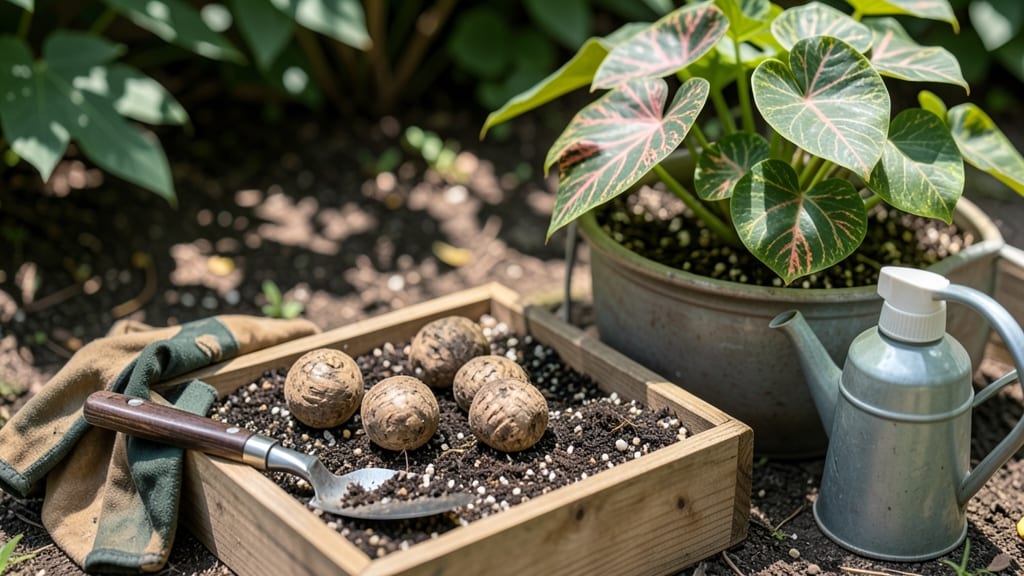
Timing the perfect moment to plant Caladium bulbs in Texas can make all the difference between stunning summer foliage and a sad, wilted disappointment.
These tropical beauties 🌿 thrive in heat but demand precision—plant too early, and frost zaps their potential; wait too long, and you miss the ideal growing window.
Texas gardeners face unique challenges, from North Texas’s late frosts to South Texas’s scorching summers. The key is planting after your last frost date—typically March to April—when soil temperatures hit 65°F and stay warm. This ensures your Caladiums burst into vibrant life just as the heat settles in.
But here’s the secret: regional differences matter. In USDA zones 8a-11, North Texas gardeners should wait until mid-April, while South Texas can start as early as late February. I’ll break down the exact timing, soil prep tricks, and heat-zone strategies to keep your Caladiums lush all season.
Ready to transform your garden into a foliage paradise? Let’s dive into the heat-smart planting schedule that’ll have your Caladiums thriving—no frost, no stress, just show-stopping leaves from spring to fall.
Texas heat-zone planting calendar for caladium bulbs
Timing your caladium bulbs in Texas is all about beating frost while catching the ideal soil warmth—typically 65°F or above. Since Texas spans USDA zones 8a-11, your exact planting window varies from North Texas (March) to South Texas (February).
Miss this window, and you risk stunted growth or bulb rot from soggy, cool soil.
Caladiums thrive in tropical conditions, so they need consistent warmth to sprout. In North Texas (zones 8a-8b), wait until mid-April after the last frost (usually around February 15).
Gardeners in Central Texas (zones 8b-9a) can plant as early as late March, while South Texas (zones 9b-11) enjoys an extended window from February to April.
Here’s the key: Soil temperature matters more than calendar dates. Use a soil thermometer to confirm 65°F+ at 4-inch depth before planting. In East Texas, this often aligns with late March, while West Texas may need to wait until April due to drier, slower-warming soil.
🌱
For container gardening, you can push the window slightly earlier by using black plastic pots or heated seed trays to warm the soil faster. Just ensure your pots have drainage holes—caladiums hate soggy roots.
If you’re in Zone 8a or colder, consider starting bulbs indoors under grow lights in late February and transplant after the last frost.
Pro tip: Early bloomers like 'White Queen' or 'Pink Beauty' may emerge faster in warmer microclimates (e.g., near black mulch or paved areas). Monitor their progress and adjust your schedule for late varieties like 'Flamingo' or 'Candidum', which need that extra warmth to show their best colors.
Remember, caladiums are not cold-hardy. Even a light frost can damage emerging shoots. Use frost cloth as a precaution if late-season dips threaten your North or West Texas garden. Once planted, mulch heavily with straw or pine needles to insulate the soil and keep roots warm.
🌿
If you’re unsure about your local last-frost date, check the Texas A&M AgriLife Extension or use a frost calendar app. For urban gardeners in cities like Austin or Dallas, heat islands can create microclimates that warm up 1-2 weeks earlier than rural areas.
Always err on the side of waiting—your caladiums will thank you with bold, vibrant foliage all summer long.
Texas heat-zone planting calendar for caladium bulbs
Caladiums thrive in Texas's long, hot summers, but their tropical roots demand precise timing to avoid frost damage or stunted growth.
Since Texas spans USDA zones 8a-11, your planting window varies—North Texas gardeners wait until mid-April, while South Texas can start as early as February. The key is waiting until soil temperatures hit 65°F and all frost risk has passed.
For peak foliage (those stunning heart-shaped leaves), plant 3-4 weeks before your region’s last frost date. In Central Texas (Austin), this means late March to early April, while East Texas (Houston) can start mid-March.
Always check your local frost-free date—delaying just a few weeks can mean the difference between vibrant leaves and wilted disappointment.
| Texas Region | Ideal Planting Month | Soil Temp Requirement | Frost Risk |
|---|---|---|---|
| North Texas (Dallas/Fort Worth) | Mid-April | 65°F+ | High (last frost: Feb 15) |
| Central Texas (Austin/San Antonio) | Late March-Early April | 65°F+ | Moderate (last frost: Feb 28) |
| South Texas (Houston/Corpus Christi) | Mid-March | 60°F+ | Low (last frost: Jan 15) |
| West Texas (El Paso) | Late April | 70°F+ | Very High (last frost: March 15) |
Pro tip: Use a soil thermometer to confirm readiness—caladium bulbs won’t sprout until soil hits 65°F. In North Texas, this often means waiting until after Easter. For container gardening, you can plant 2-4 weeks earlier since pots warm faster.
Just ensure your containers have drainage holes to prevent root rot in Texas’s clay-heavy soils.
If you’re eager to jumpstart growth, try indoor starts in February using grow lights. Place bulbs in well-draining potting mix, keep them in warmth (70°F+), and transplant outdoors after the last frost.
This trick extends your foliage season by 3-4 weeks, giving you longer enjoyment of those show-stopping leaves.
Remember: Caladiums are annuals in Texas—they won’t survive winter, so don’t plant too early. Once frost hits (typically November-December), dig up bulbs, dry them, and store in a cool, dark place until next spring.
This two-step process ensures you’re always planting fresh, viable bulbs for the next season.
For maximum impact, pair caladiums with shade-loving perennials like coleus or impatiens. Their colorful foliage will complement your caladiums’ pink, red, or white hues all summer long. Just avoid full sun—these tropical divas wilt quickly in direct afternoon rays.