
Plants
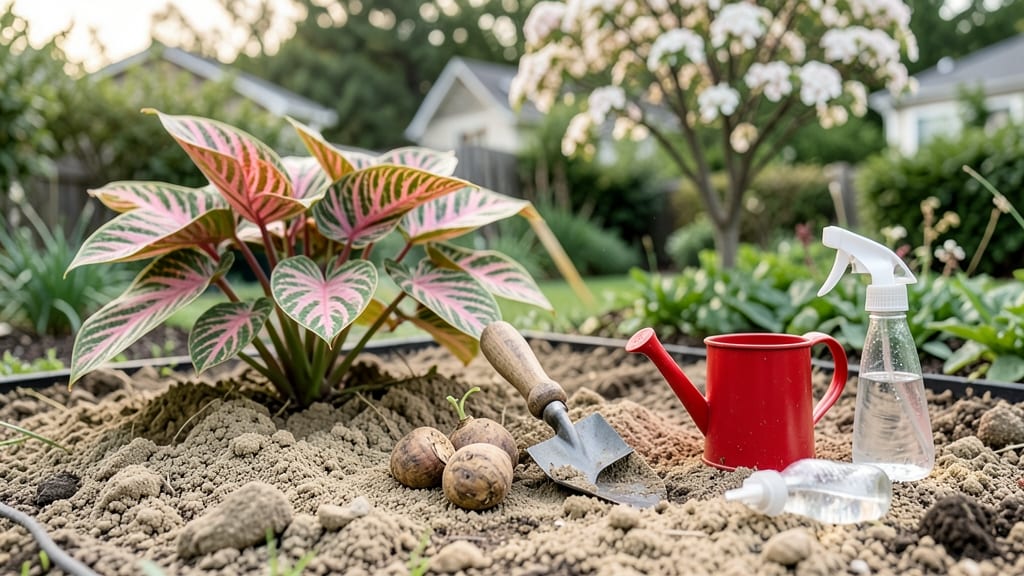
Planting caladium bulbs at the wrong time in Zone 7 can mean the difference between stunning summer foliage and a sad, frost-nipped disappointment. These tropical beauties—with their heart-shaped leaves in vibrant pinks, reds, and whites—thrive when the soil warms up, but getting the timing right is everything.
If you’ve ever wondered why your caladiums 🌿 failed to bloom last year, the answer might be as simple as planting too early. Zone 7’s mild winters mean frost can linger later than you think, and these heat-loving plants hate cold soil.
But don’t worry—once you know the perfect window, you’ll be well on your way to a garden bursting with color.
In this guide, I’ll break down exactly when to plant caladium bulbs in Zone 7, from checking soil temperatures to avoiding common mistakes. You’ll learn how to time it perfectly for maximum growth and how to protect your plants if unexpected chilly nights sneak in.
Ready to transform your garden into a lush, foliage-filled paradise? Let’s get started with the key timing tips that’ll make all the difference.
Optimal planting timeline for caladium bulbs in Zone 7: soil temps and frost dates
Planting caladium bulbs in Zone 7 hinges on two critical factors: soil temperature and last frost dates. Unlike hardy perennials, caladiums are tropical and won’t tolerate even light frost.
In Zone 7, where last frost typically arrives around mid-April, patience is key—rushing too early risks losing your entire investment.
For vibrant foliage, aim to plant once soil temperatures consistently reach 60°F (15°C) at a depth of 4 inches. A soil thermometer is your best friend here, as surface temps can be misleading.
I’ve learned the hard way that cold soil stunts growth and invites rot, so always check before committing.
In Zone 7’s Piedmont region, where nights stay cooler longer, wait until late April to early May.
Coastal areas, however, can plant as early as mid-April due to milder microclimates. Zone 7’s first frost usually hits in mid-October, so plan to enjoy your caladiums for about 6 months of the year.
Here’s my foolproof planting timeline for Zone 7:
| Stage | Action | Zone 7 Timeline |
|---|---|---|
| Soil Prep | Amend with compost | Late March |
| Frost Watch | Monitor local forecasts | April 1-15 |
| Soil Test | Check 60°F+ at 4" | Mid-April (Piedmont) / Early April (Coastal) |
| Planting Window | Set bulbs 4" deep | Late April - Early May |
| Mulching | Add 2" organic mulch | After planting |
| Frost Prep | Cover with frost cloth | Late September |
Pro tip: Use black plastic mulch to warm soil faster in cooler microclimates. I’ve seen it raise soil temps by 5-10°F in just days, giving you an earlier planting window. Just remove it once plants emerge to prevent overheating.
For container gardening, plant caladiums in well-draining pots and move them outdoors only after nighttime temps stay above 55°F. Containers warm up faster, so they’re ideal for extending your season in Zone 7’s cooler pockets.
Remember, caladium bulbs are not frost-hardy—even a light freeze will kill them. If you’re in a Zone 7a area with later frosts, err on the side of caution and plant 2-3 weeks later than the general timeline. Your foliage display will thank you!
Once planted, keep soil consistently moist (but not soggy) and place them in partial shade to prevent leaf scorch. With the right timing, your caladiums will reward you with showstopping colors from summer through early fall.
Optimal planting timeline for caladium bulbs in Zone 7: soil temps and frost dates
Caladium bulbs thrive in Zone 7’s warm springs, but planting them too soon risks frost damage, while waiting too long may shorten their vibrant display. Aim for after your last frost date, typically mid-to-late April, but always confirm with local records.
These tropical beauties need soil temperatures above 60°F (15°C) to sprout reliably—use a soil thermometer if unsure.
In Zone 7, microclimates vary dramatically: Piedmont regions (like Raleigh) often see last frosts by April 15, while coastal areas (e.g., Charleston) may wait until May 1.
Check your USDA Plant Hardiness Zone Map or ask local nurseries for precision. Even a light frost can blacken caladium leaves, so don’t rush—patience ensures lush foliage.
🌱 KEY TRIGGER: Plant when daytime highs consistently stay above 70°F (21°C) and nights dip no lower than 55°F (13°C). This usually aligns with late April to early May in most of Zone 7. For container-grown caladiums, you can plant slightly earlier (by 1–2 weeks) since pots warm faster.
📋 Caladium Planting Timeline for Zone 7
| Stage | Action | Notes |
|---|---|---|
| Early April | Prep soil: Add compost, ensure drainage | Test soil pH (6.0–7.0 ideal) |
| Mid-April | Check last frost date (use Almanac’s Frost Calculator) | Wait 2 weeks post-frost for safety |
| Late April–Early May | Plant bulbs 1–2 inches deep, 6–12" apart | Soil temp: 60°F+ (15°C+) |
| May–June | Mulch with 2–3" organic mulch (straw/shredded leaves) | Keeps roots cool and moist |
| July–August | Fertilize lightly with 10-10-10 (1 tbsp/plant) | Avoid high nitrogen (promotes leaf over foliage) |
🌡️ Pro Tip: Use a soil thermometer to confirm readiness—caladiums won’t sprout below 60°F.
If you’re in a warmer microclimate (e.g., near the coast), you might plant as early as early April, but monitor weather forecasts. Zone 7’s northern edge (e.g., near Washington, D.C.) may need to wait until mid-May.
For container gardening, start bulbs indoors in March under grow lights, then transplant after frost.
After planting, water deeply to settle soil and encourage root growth. Keep the area moist but not soggy—caladiums hate waterlogged roots. In Zone 7’s humid summers, mulch heavily to retain moisture and prevent fungal issues.
With the right timing, your caladiums will reward you with stunning foliage from June through frost.
For late bloomers, you can even plant caladiums in early June—they’ll still thrive, though their display may peak slightly later. Just ensure soil stays warm and mulch is in place to protect roots from heat stress. 🌿