
Plants
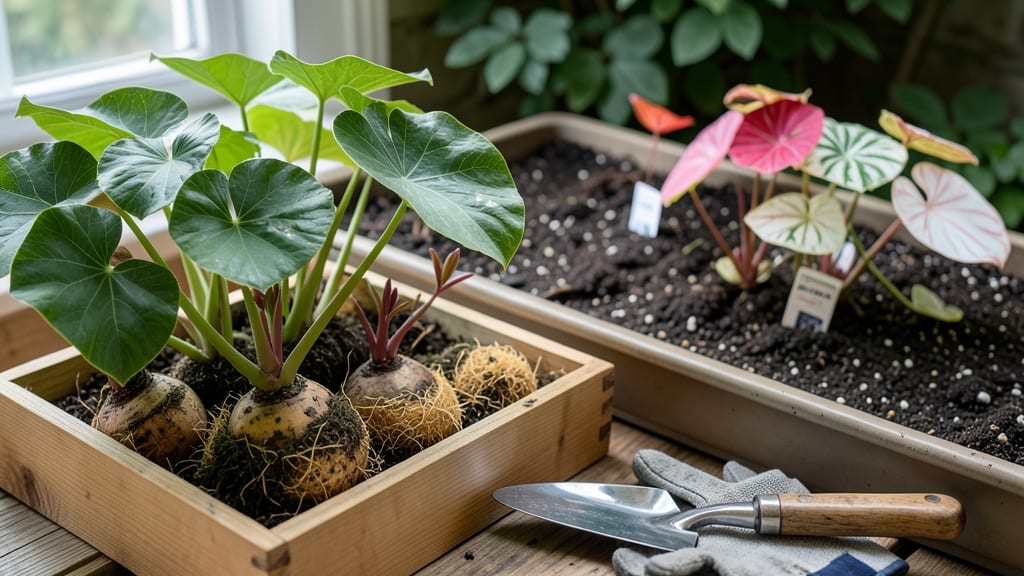
Planting caladium bulbs in Florida at the wrong time can turn your vibrant 🌿 dreams into a sad, wilted mess—especially when the heat hits early. The key isn’t just avoiding frost (which is rare here) but timing it so your tubers thrive in Florida’s intense humidity and sun.
Most gardeners in zones 9a-11 wait until March or April when soil warms to 65°F, but coastal areas might push it slightly later. Get this right, and you’ll see those stunning foliage colors pop all summer long—no wilting in sight.
I’ll walk you through the exact planting window, soil prep tricks for Florida’s sandy soil, and how to keep your caladiums lush despite the heat. Whether you’re in North Florida’s cooler pockets or South Florida’s steamy climate, these tips will make your foliage stand out.
Ready to grow caladiums that turn heads? Let’s dive into the perfect timing and care routine for your Florida garden.
Optimal Florida planting months for caladium bulbs: heat-zone breakdown
Florida’s USDA Zones 8-11 create a unique challenge for caladium bulbs—these tropical beauties thrive in heat but need precise timing to avoid heat stress or frost damage. The key? Planting after the last frost date, which varies wildly across the state.
For North Florida (Zones 8-9), aim for mid-March to early April, while Central and South Florida (Zones 10-11) can start as early as February.
Why the variation? Coastal areas like Miami or Fort Lauderdale rarely see frost, while inland cities like Orlando or Tallahassee face occasional cold snaps. Always check your local frost-free date—a quick online search for your ZIP code will save you from premature wilting.
For example, Jacksonville’s last frost is typically mid-February, while Tampa’s is mid-January—plant too soon, and you risk losing your tubers.
Soil temperature is just as critical as air temperature. Caladium bulbs won’t sprout until the ground reaches 65°F (18°C). Use a soil thermometer to confirm—bury it 3 inches deep for accuracy.
In South Florida, this usually happens by early March, but in North Florida, you might wait until late April. Patience here prevents rotten tubers from soggy, cold soil.
Here’s the golden window for planting:
- North Florida (Zones 8-9): April 1-15
- Central Florida (Zone 9b-10a): March 15-April 1
- South Florida (Zones 10b-11): February 15-March 15
Planting outside these dates risks heat shock (too early) or stunted growth (too late).
| Florida Region | USDA Zone | Best Planting Month | Soil Temp Requirement | Key Risk |
|---|---|---|---|---|
| North Florida | 8-9 | April 1-15 | 65°F+ | Late frost |
| Central Florida | 9b-10a | March 15-April 1 | 65°F+ | Heat stress |
| South Florida | 10b-11 | February 15-March 15 | 65°F+ | None (frost-free) |
Pro tip: Container gardening extends your planting window. Pots warm up faster than garden beds, so you can start 2-3 weeks earlier in North Florida. Just ensure containers have drainage holes—caladiums hate soggy roots.
For in-ground planting, choose a shady spot (like under oak trees) to protect tubers from intense afternoon sun, which can scorch leaves by June.
Microclimates matter! Coastal areas (e.g., Daytona Beach) are warmer and more humid than inland spots (e.g., Gainesville). If you’re near the coast, you can push planting to late January, but inland gardeners should wait until mid-April.
Observe your yard’s sun exposure—caladiums in full sun (even partial) will need extra afternoon shade by summer.
Don’t overlook mulching—a 2-inch layer of organic mulch (like pine straw) keeps soil temperatures stable and retains moisture. This is especially critical in South Florida’s dry season (December-February), where tubers can dry out before sprouting.
Water lightly after planting to settle the soil, but avoid overwatering, which causes rot.
For maximum foliage impact, plant caladiums in groups of 3-5. This creates a lush, tropical look while improving air circulation—critical for humidity-prone Florida. Space tubers 12-18 inches apart in rows 18 inches apart for easy maintenance.
In containers, use 1 tuber per 6-inch pot for dwarf varieties or 1 tuber per 12-inch pot for standard types.
Remember: caladiums are tubers, not bulbs. Handle them like potatoes—plant them 2 inches deep with the eyes (growth points) facing up. If you plant them too deep, they’ll take forever to emerge; too shallow, and they’ll dry out. After planting, water deeply and watch
Optimal Florida planting months for caladium bulbs: heat-zone breakdown
Florida’s USDA zones 9a-11 create unique challenges for caladium bulb planting. Unlike cooler climates, Florida’s frost-free growing season means no traditional "last frost" deadline—just heat and humidity to navigate. The ideal window is March through April, when soil temperatures consistently reach 65°F+ and afternoon humidity spikes begin.
North Florida gardeners (zones 8-9) should aim for late March to early April, as cooler mornings linger.
Central Florida (zone 9b) thrives with April planting, while South Florida (zones 10-11) can start as early as February—just avoid peak summer heat (June-August) when caladiums struggle with leaf scorch.
🌱 Key Takeaway: Plant when daytime highs are 75-80°F but nights stay above 60°F. Use a soil thermometer to confirm—caladium tubers won’t sprout below 65°F.
| Florida Region | Best Planting Window | Soil Temp Goal | Avoid After |
|---|---|---|---|
| North Florida (Zones 8-9) | Late March–Early April | 65°F+ consistently | May (heat stress risk) |
| Central Florida (Zone 9b) | April | 68°F+ | June (humidity spike) |
| South Florida (Zones 10-11) | February–Early March | 70°F+ | July (intense sun) |
For container gardening, extend your window by 2-3 weeks—pots warm faster and let you move plants to shade during 100°F+ days. I’ve had success planting potted caladiums in late April by placing them under 50% shade cloth during peak afternoon sun.
Pro tip: Pre-sprout tubers indoors in late February if you’re in North Florida. Place them in sphagnum moss under grow lights (not direct sun) until shoots appear—then transplant outdoors in March. This head-start method compensates for cooler soil.
Watch for leaf yellowing if planted too early—this signals cold stress. Conversely, brown leaf edges in June mean it’s time to increase shade and water deeply twice weekly. Timing isn’t just about months; it’s about microclimate cues like these.