
Plants
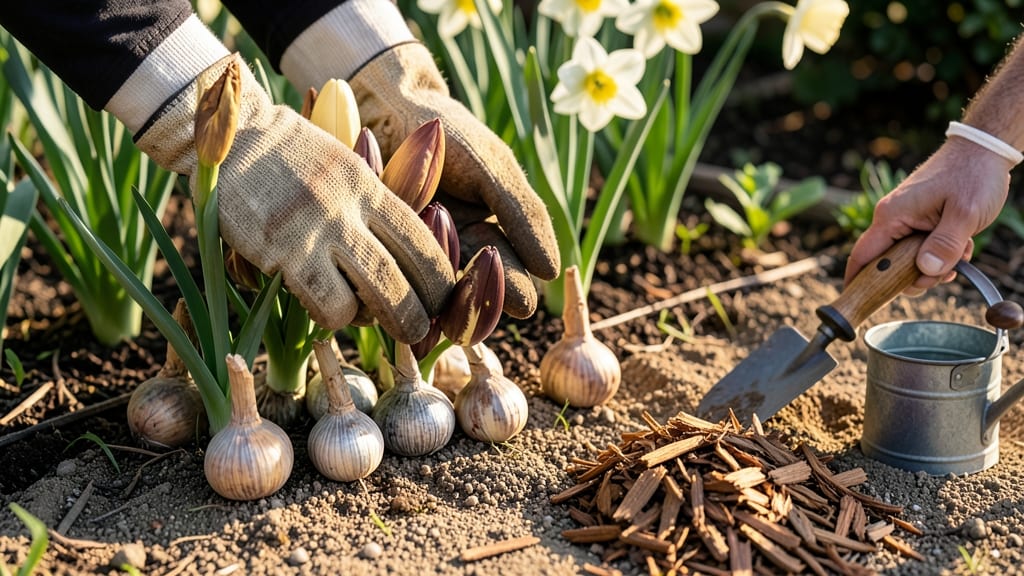
Florida’s chill-hour zones: how to match bulbs for perfect blooms
Florida’s warm winters make traditional bulb planting tricky, but understanding chill-hour requirements is your secret weapon. Most bulbs need 300-1,500 chill hours (temperatures between 32°F-45°F) to bloom.
Florida’s Zone 8A-10A ranges from 500-1,000 chill hours annually, meaning we must choose bulbs that match our local climate or use tricks to simulate dormancy.
For example, tulips (1,200-1,500 chill hours) won’t thrive in Zone 10A, but paperwhites (0 chill hours) or rain lilies (200-300 chill hours) will. The key is selecting varieties that align with your USDA zone and microclimate—like coastal areas getting fewer chill hours than inland regions.
Here’s how Florida’s zones break down for bulb success:
| Zone | Avg. Chill Hours | Best Bulbs | Notes |
|---|---|---|---|
| 8A (North FL) | 800-1,000 | Daffodils, Hyacinths, Crocus | Plant in fall for spring blooms. |
| 9A (Central FL) | 500-700 | Rain Lilies, Camassia, Paperwhites | Avoid tulips; use low-chill varieties. |
| 10A (South FL) | 200-300 | Canna Lilies, Amaryllis, Zephyranthes | Plant in winter for summer blooms. |
| 10B-11 (Miami) | 0-100 | Paperwhites, Rain Lilies, Spider Lilies | No chill needed; plant year-round. |
If you’re in Zone 8A-9A, focus on fall planting (September-November) for spring blooms. In Zone 10A and warmer, shift to winter planting (December-February) to avoid summer heat stress. For example, daffodils (600-900 chill hours) work in Zone 8A but may bolt in Zone 10A without proper care.
To simulate chill hours for high-chill bulbs, store them in your fridge (35°F-40°F) for 6-8 weeks before planting. This trick works wonders for tulips or hyacinths in Zone 9A. Just don’t skip this step—skipping chill hours leads to bolting (premature flowering) or no blooms at all.
For container gardening, use well-draining pots and move them to cooler spots (like a garage or shaded patio) during winter to mimic chill hours. This is especially helpful for Zone 10B-11 gardeners who want to grow traditional spring bulbs.
Pro tip: Rain lilies and zephyranthes (rainflowers) are Florida’s chill-hour champions—they bloom with zero chill hours and thrive in full sun. Plant them in fall or winter for year-round color.
Always check the chill-hour label on bulb packages. If it says "0-300 chill hours", it’s a safe bet for Florida. For Zone 8A-9A, aim for 500-900 chill hours to ensure reliable blooms.
Finally, mulch heavily after planting to protect bulbs from unpredictable freezes or summer heat. Use 3-4 inches of straw or pine needles—this mimics natural soil insulation and keeps roots stable.
Best bulbs to plant in Florida by season: avoiding bolt risk
Florida’s long growing season means you can plant bulbs almost year-round—but timing matters to avoid bolt risk or weak blooms. Unlike northern climates, Florida’s mild winters and hot summers require strategic seasonal planting.
Let’s break down the best bulbs for each season and when to plant them for vibrant, reliable flowers.
For spring blooms, focus on fall planting (September–November). This gives bulbs time to establish roots before Florida’s cooler months. Winter planting (December–February) works for heat-loving varieties that bloom in late spring or summer. And yes, you can even plant some bulbs in early summer for fall color!
Here’s your seasonal planting guide to maximize blooms without risking bolting or frost damage:
- Daffodils (Narcissus): Plant in October for spring blooms. Tolerates minimal chill hours (300–400).
- Rain Lilies (Zephyranthes): Plant in September–October for summer blooms. Thrives in Zone 8+ with no dormancy.
- Canna Lilies: Plant tubers in October for summer heat. Prefers well-draining soil.
- Paperwhites (Narcissus papyraceus): Plant in late October–November for indoor winter blooms.
Spring planting (March–April) is ideal for bulbs that hate cold, like gladiolus or calla lilies. These varieties bloom quickly in Florida’s warm soil. For summer blooms, plant dahlia tubers in March or amaryllis bulbs in April for late-summer color.
Pro tip: In Zone 10–11, you can plant bulbs year-round! Just avoid planting during peak summer (June–August) to prevent heat stress. For example, rain lilies and spider lilies (Hymenocallis) can be planted anytime in these zones.
Remember, Florida’s hurricane season (June–November) can disrupt planting. If storms are forecasted, delay planting until after the risk passes. And always choose disease-resistant varieties like ‘Ice Follies’ daffodils or ‘Stargazer’ lilies to beat Florida’s humidity.