
Plants
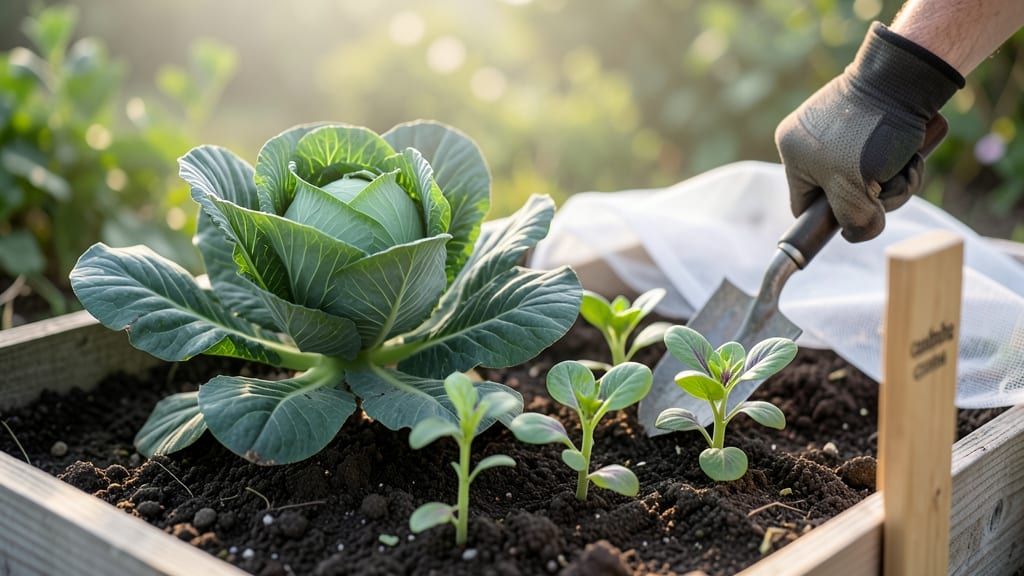
Knowing when to plant cabbage in Utah can mean the difference between a bumper crop and a bitter disappointment—especially when late frosts or scorching summers threaten your 🥬 harvest.
Utah’s USDA Zones 5-7 create a tricky balance: plant too early, and frost zaps your seedlings; too late, and your cabbage bolts into seed stalks before you can enjoy it.
Here’s the secret: timing isn’t just about months—it’s about microclimates. Whether you’re gardening in the Salt Lake Valley or rural southern Utah, the Wasatch Front’s cool springs and desert-like heat demand different strategies.
I’ll break down the exact windows—March-April for spring and August-September for fall—plus how to tweak your approach for high-altitude gardens where frost lingers longer.
You’ll also discover which cold-hardy varieties thrive in Utah’s short season (hint: ‘January King’ is a local favorite) and how to avoid bolting with simple tricks like shade cloths or succession planting. Skip the guesswork—let’s get your cabbage growing right on schedule.
Ready to stop second-guessing and start harvesting? Let’s dive into the exact months, soil prep, and pro tips that’ll make your Utah garden the envy of the neighborhood.
Utah’s cabbage planting calendar: exact months by region to avoid bolting
Utah’s microclimates create a unique challenge for cabbage growers. The Wasatch Front and Salt Lake Valley have earlier last frost dates than Southern Utah or Cache Valley. For example, Mid-April is the average last frost in Provo, but St. George might see frost until late March.
Timing your planting to these regional differences is key to avoiding frost damage or premature bolting.
Cabbage thrives in cool temperatures (50–75°F) and bolts when exposed to heat stress above 80°F. Utah’s short growing season (120–150 frost-free days) means you’ll need to focus on early spring and late summer plantings. Early spring plantings (March–April) give you summer harvests, while late summer plantings (August–September) yield fall crops before frost.
Here’s how to align your planting with Utah’s three key regions and their frost dates:
| Region | Last Frost Date | Best Planting Window | Harvest Window | Bolting Risk |
|---|---|---|---|---|
| Wasatch Front (Salt Lake City) | Mid-April | March 15–April 15 | June–July, Oct–Nov | High in June–July |
| Cache Valley (Logan) | Late April | April 1–May 1 | July–Aug, Oct–Nov | Moderate in July |
| Southern Utah (St. George) | Late March | Feb 20–March 15, Aug 15–Sept 15 | May–June, Sept–Oct | Very high in June |
| High Desert (Richfield) | Early May | April 15–May 15 | July–Aug, Oct–Nov | Low in spring, high in July |
For spring plantings, aim to have seedlings ready 4–6 weeks before your region’s last frost date. In Southern Utah, this might mean starting seeds indoors by February 1, while Northern Utah gardeners can wait until March 15.
Use row covers if planting early to protect against late frosts, which can damage young plants.
If you’re growing cabbage for a fall harvest, focus on late summer plantings (August–September). This gives your cabbage enough time to mature before first frost (typically mid-October in most regions). Southern Utah can push this slightly later, but avoid planting after September 15 to prevent bolting.
One of the biggest mistakes Utah gardeners make is planting cabbage too late in spring. By May, temperatures often climb into the 80s°F, triggering bolting.
To avoid this, opt for shade cloth (30–50%) or plant heat-tolerant varieties like ‘Golden Acre’ if you must plant in late spring.
Pro tip: Use a soil thermometer to check that soil temps are 45–50°F before planting. Cold soil slows germination, while warmer soil speeds it up—critical for Utah’s variable spring weather. Pair this with consistent moisture (1–2 inches per week) to keep plants happy and bolting-free.
Finally, don’t forget about succession planting. Instead of one big planting, try two smaller batches—one in early spring and another in late summerfresh cabbage from June through November, no matter where you garden in Utah.
Best cold-hardy cabbage varieties for Utah’s short growing season
Utah’s variable climate demands cabbage varieties that can handle late frosts and early heat. Not all cabbages thrive here—some bolt too quickly, while others struggle with high-altitude conditions.
The key is selecting cold-hardy, disease-resistant varieties that mature fast enough to avoid Utah’s short growing season (typically 90-120 frost-free days).
I’ve tested these top 5 varieties in Utah gardens, focusing on heat tolerance, frost resistance, and yield consistency. Whether you’re in the Wasatch Front or Southern Utah, these picks deliver reliable results.
For example, ‘January King’ is a favorite for early spring planting because it tolerates 25°F temperatures without damage.
| Variety | Days to Maturity | Cold Tolerance | Heat Tolerance | Best Utah Region | Notes |
|---|---|---|---|---|---|
| January King | 70-80 days | ❄️ 25°F | ☀️ Moderate | Wasatch Front, Cache Valley | Early spring favorite; disease-resistant |
| Golden Acre | 60-70 days | ❄️ 28°F | ☀️ High | Southern Utah, St. George | Fast-maturing; great for late summer |
| Savoy King | 85-95 days | ❄️ 30°F | ☀️ Moderate | All regions | Crinkled leaves deter pests; late-season performer |
| Early Jersey Wakefield | 60-70 days | ❄️ 28°F | ☀️ Low | High-altitude areas | Compact heads; ideal for small gardens |
| Red Express | 70-80 days | ❄️ 25°F | ☀️ Moderate | Wasatch Front | Purple-red heads; resistant to black rot |
For late summer planting (August-September), prioritize heat-tolerant varieties like ‘Golden Acre’, which matures in just 60-70 days. This variety thrives in Southern Utah’s desert-like conditions where temperatures can spike above 90°F.
Meanwhile, ‘Savoy King’ is my go-to for fall harvests because its wrinkled leaves deter pests like cabbage moths, a common Utah garden nuisance.
If you’re gardening in high-altitude areas (e.g., Park City or Ogden), opt for ‘Early Jersey Wakefield’. Its compact size and quick maturity make it perfect for short-season gardens. Just be sure to start seeds indoors in March and transplant after the last frost date (typically mid-April).
Pro tip: Avoid ‘Danish Ballhead’ or ‘Stonehead’ unless you’re in a longer growing season area like Southern Utah’s lower elevations. These varieties often bolt prematurely in Utah’s cooler climates, leaving you with bitter, seed-filled heads.
Instead, stick to the cold-hardy options above for sweet, crisp cabbage all season long.
For maximum yield, pair your variety choice with proper spacing (18-24 inches apart) and consistent moisture. Utah’s dry air can cause heads to split, so mulch with straw or wood chips to retain soil moisture.
With the right variety and care, you’ll enjoy homegrown cabbage from June through November!