
Plants
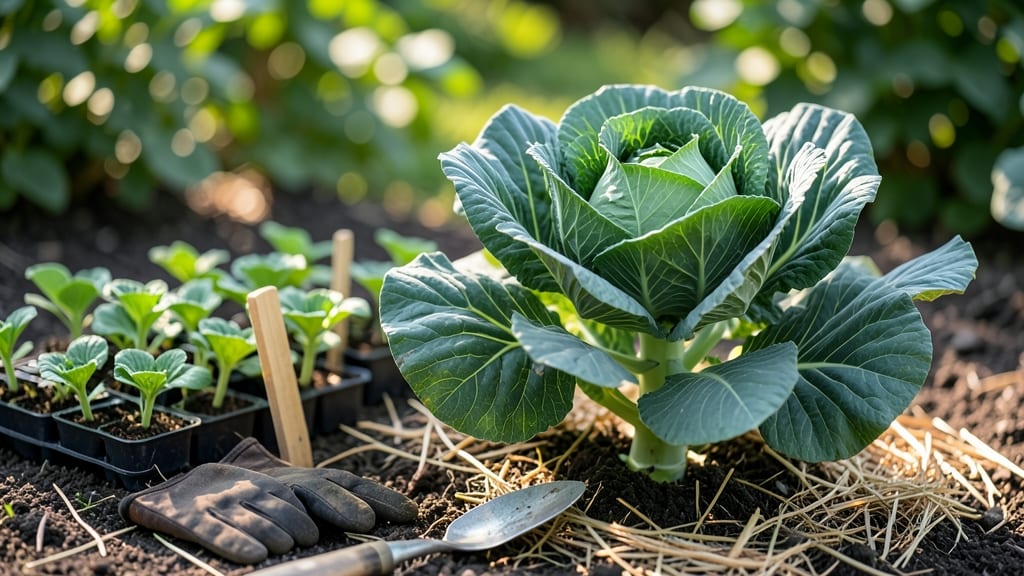
Planting cabbage 🥬 in Georgia might seem tricky with those scorching summers, but timing is everything—and I’ve got the exact schedule to help you grow crisp, bolt-free heads all season long.
Most gardeners in USDA zones 7b-8a make one big mistake: planting too early in spring or too late in summer. The key is to start seeds 4-6 weeks before your last frost (mid-March) for spring crops, then switch to late summer (August-September) for fall harvests that avoid bolting.
Why does this matter? Georgia’s heat triggers cabbage to bolt (send up flower stalks) before forming heads. I’ll show you the heat-tolerant varieties that thrive here and how to adjust your planting calendar to match Georgia’s 215 frost-free days—so you can enjoy fresh harvests from May through November.
Ready to skip the guesswork? Let’s dive into the perfect planting windows, soil prep, and shade tricks that’ll keep your 🥬 cabbage happy—no matter how hot it gets.
Best planting times for cabbage in Georgia’s climate zones
Georgia’s USDA zones 7b-8a offer unique challenges for growing cabbage, thanks to its humid summers and mild winters. The key to success lies in planting during cool-season windows—either in early spring or late summer—to avoid the heat that triggers bolting (premature flowering).
Timing isn’t just about frost dates; it’s also about temperature thresholds.
Cabbage thrives when daytime temperatures stay between 60°F and 75°F. In Georgia, this means avoiding the peak summer heat (June-August) and focusing on spring and fall plantings. The last frost date for most of Georgia falls around March 15, while the first frost arrives around November 15.
These dates are your anchors for planning.
For spring cabbage, start seeds indoors 4-6 weeks before your last frost date (around February) or transplant hardened-off seedlings in early March. This gives your plants time to mature before the summer heat sets in.
For fall cabbage, aim to transplant seedlings in late August to early September, allowing them to develop heads before frost.
Here’s how Georgia’s microclimates influence planting:
| Season | Planting Window | Key Considerations | Harvest Window |
|---|---|---|---|
| Early Spring | February–March (seeds indoors) or March (transplants) | Avoid cold soil (<50°F); use row covers for frost protection. | May–June |
| Late Summer | August–September (transplants) | Use shade cloth (30-50%) to protect from afternoon heat. | October–November |
| Winter (Cool Regions) | October (transplants for North GA) | Mulch heavily to insulate roots; monitor for slugs. | December–January |
If you’re in North Georgia (higher elevations), you can push the envelope slightly. For example, Zone 7b areas like Blue Ridge may support a winter crop planted in October, while Zone 8a regions like Savannah should focus on fall plantings only to avoid summer stress.
Always check your local frost dates—they can vary by 1-2 weeks depending on elevation.
One common mistake Georgia gardeners make is planting too early in spring when soil temperatures are still cool. Cabbage seeds need soil temps above 40°F to germinate properly. If you plant in January, your seeds may rot or take forever to sprout.
Wait until February or use a seedling heat mat if you’re eager to start.
For fall plantings, the goal is to get seedlings established before September heat peaks. If you transplant in mid-to-late September, your cabbage may struggle to form heads before frost. Aim for early September at the latest, and choose heat-tolerant varieties (we’ll cover those next!).
Pro tip: Use a planting calendar or set reminders for your local frost dates. Georgia’s Peach State reputation isn’t just about fruit—it’s also about timing your crops to perfection. With the right schedule, you can enjoy fresh cabbage from May through November!
🌱
Best planting times for cabbage in Georgia’s climate zones
Georgia’s USDA zones 7b-8a create unique challenges for growing cabbage, but timing your plantings correctly can yield crisp, flavorful heads even in the heat.
The key is avoiding premature bolting—when cabbage sends up a flower stalk instead of forming a head—due to Georgia’s hot summers and mild winters.
For spring cabbage, focus on planting 4-6 weeks before your last frost date, typically between February and early March. This gives seedlings enough time to establish roots before soil temperatures rise.
In northern Georgia (zone 7b), aim for February 15–March 15, while southern Georgia (zone 8a) gardeners should plant March 1–March 30 to avoid early heat stress.
📅 Georgia Cabbage Planting Timeline
| Season | Planting Window | Key Considerations |
|---|---|---|
| Spring | Feb 15–Mar 15 (Zone 7b) / Mar 1–Mar 30 (Zone 8a) | Avoid cold soil; use row covers if nights dip below 40°F. |
| Fall | Aug 1–Sep 15 | Transplant 6-8 weeks before first frost (Nov 15); use shade cloth in late summer. |
| Winter | Oct 15–Nov 1 (Zone 7b) / Sep 15–Oct 15 (Zone 8a) | Direct-sow for cool-season harvests; protect with mulch. |
Fall planting is your best bet for heat-tolerant cabbage in Georgia. Start transplants in August or direct-sow seeds in late summer (August 1–September 15) to harvest before first frost. This window allows cabbage to mature in cool weather while avoiding the peak summer heat that triggers bolting.
For southern Georgia, extend fall planting to September 30 if using heat-resistant varieties.
Winter planting is possible in northern Georgia (zone 7b) for late-season harvests. Sow seeds October 15–November 1 for a spring harvest, but use row covers to protect young plants from freezing temperatures.
In zone 8a, winter planting is risky due to mild winters—instead, focus on fall transplants or spring succession planting.
One critical mistake Georgia gardeners make is planting too early in spring or too late in fall. Early spring seedlings may bolt from cold stress, while late fall plants won’t mature before warm spells trigger flowering.
Always check soil temperatures—ideal ranges are 45–85°F for germination and 60–75°F for growth.
To maximize success, pair your planting timeline with shade strategies and mulching. For example, use 50% shade cloth in late summer to lower soil temps by 10–15°F, or apply 3 inches of straw mulch to retain moisture and regulate temperature.
These tactics let you extend your growing season by 4–6 weeks in both spring and fall.