
Plants
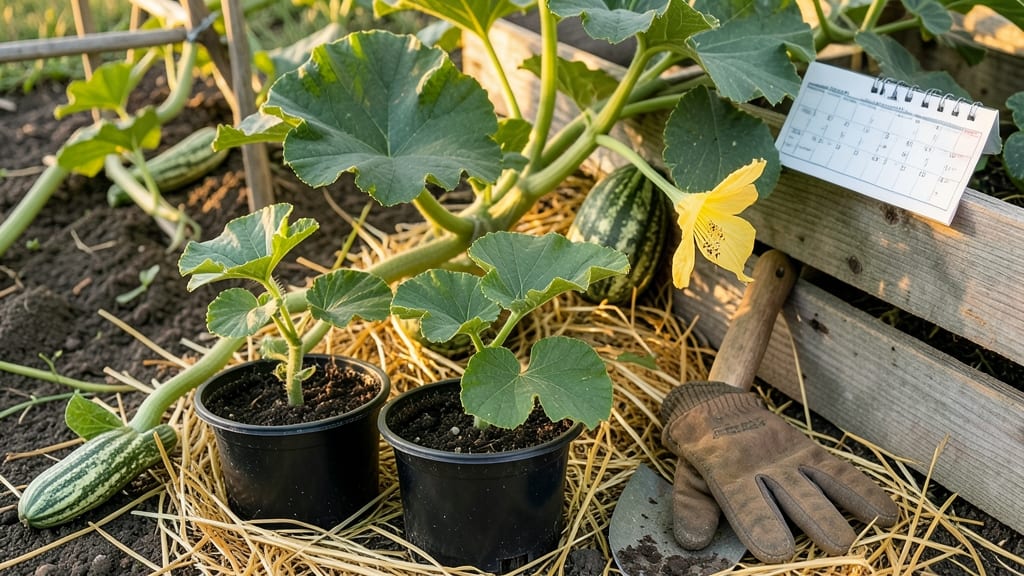
Timing your Butternut Squash 🎃 planting in North Carolina can make or break your harvest—get it wrong, and you might end up with bitter vines or wasted seeds.
The key lies in understanding NC’s 7a-8b zones, where frost dates shift dramatically between the mountains and coast, and soil temperatures play a bigger role than most gardeners realize.
Most gardeners in NC aim for mid-April to early June, but that window can feel like a moving target depending on whether you're in Raleigh, Asheville, or the Outer Banks.
The real secret? Waiting until the soil hits 60°F—cold soil slows germination, and there’s nothing worse than watching your seeds rot underground while you wait for warmer days.
Here’s the good news: you can actually plant twice in NC—once in spring for a fall harvest and again in late July for a winter crop.
I’ll break down exactly when to start seeds indoors versus direct sowing, plus how to adjust for your specific microclimate to maximize those sweet, nutty squashes.
Whether you're a first-time gardener or a seasoned pro, these zone-specific tips will help you avoid common mistakes and turn your NC garden into a Butternut Squash powerhouse. Let’s get those seeds in the ground at the perfect moment!
Best planting dates for butternut squash in NC by hardiness zone
North Carolina’s USDA zones 7a-8b offer ideal conditions for butternut squash, but timing is critical. The last frost date (typically mid-to-late March) and first frost (usually mid-to-late October) define your planting window.
For a spring harvest, aim for mid-April to early June, while fall planting should occur between late July and early August to ensure maturity before frost.
Butternut squash needs 90-120 frost-free days to reach maturity. In Zone 8b (e.g., Raleigh, Charlotte), you can push for two harvests per year—spring and fall—while Zone 7a (e.g., Asheville, Boone) may only support one reliable harvest due to shorter summers.
Always check your local frost dates using the NC State Climate Office for precision.
Soil temperature is just as important as air temperature. Butternut squash won’t germinate until soil reaches 60°F. In NC, this typically happens by late April in coastal areas and early May in the mountains.
Use a soil thermometer to confirm readiness—planting too early in cold soil leads to rotten seeds and poor germination.
For direct sowing outdoors, wait until two weeks after your last frost date to give the soil time to warm. If you’re starting indoors (4-6 weeks before transplanting), use biodegradable pots to avoid disturbing roots.
Seedlings need hardening off for 7-10 days before moving to the garden to prevent shock.
| Zone | Last Frost | Optimal Planting Window | Soil Temp Requirement | Harvest Window |
|---|---|---|---|---|
| 7a (Asheville, Boone) | Mid-to-late March | Late May - Early June (spring) or Early August (fall) | 60°F+ (late May) | Late September - October |
| 7b (Greensboro, Winston-Salem) | Early-to-mid March | Mid-April - Early June (spring) or Late July (fall) | 60°F+ (early April) | Mid-September - November |
| 8a (Raleigh, Fayetteville) | Late February - Early March | Mid-April - Early June (spring) or Late July (fall) | 60°F+ (mid-April) | Early September - December |
| 8b (Charlotte, Wilmington) | Early March | Late March - Early June (spring) or Early August (fall) | 60°F+ (early March) | Late August - January |
If you’re in a cooler microclimate (e.g., mountain regions), opt for faster-maturing varieties like ‘Waltham Butternut’ (85 days) or ‘Sugar Pie’ (90 days). In warmer coastal areas, you can afford to plant ‘Long Island Cheese’ (100 days) for a later harvest.
Always match your variety to your zone to avoid disappointment.
Pro tip: Use black plastic mulch to warm the soil faster and extend your planting window by 1-2 weeks. This is especially useful in Zone 7a, where summers are shorter.
Lay the mulch 2 weeks before planting to maximize soil temperature. Pair this with row covers for early starts to protect seedlings from late spring frosts.
For fall planting, aim to harvest before the first hard frost. In Zone 8b, this could mean a winter harvest if you plant by early August.
Butternut squash stores well for 2-3 months in a cool, dark place, so a late-season harvest can provide fresh squash through the holidays.
Monitor your garden’s microclimate. A south-facing garden bed warms up faster than a north-facing one, so adjust planting dates accordingly. If your yard has shade from trees, consider container growing near a sunny patio or use reflective mulch to
Best planting dates for butternut squash in NC by hardiness zone
North Carolina’s USDA zones 7a-8b offer two prime windows for planting butternut squash, but timing depends on your exact location and microclimate.
Most gardeners in the Piedmont and Coastal Plain (zones 7b-8a) can start mid-April to early June, while mountain regions (zone 7a) should wait until late May to early June to avoid frost damage. These dates align with soil temperatures of 60°F or warmer, which is critical for germination.
For a fall harvest, consider a second planting in late July to early August. This works well in zone 8b areas like Raleigh or Wilmington, where summers are long enough to support a second crop.
In cooler mountain zones (7a), this method is riskier but can still yield small harvests if you use row covers to extend the season.
NC Planting Timeline for Butternut Squash
| Zone | Spring Planting Window | Fall Planting Window | Avg. Frost-Free Days |
|---|---|---|---|
| 7a (Mountains) | Late May - Early June | Late July - Early August (risky) | 180-200 days |
| 7b (Piedmont) | Mid-April - Early May | Late July - Mid-August | 200-220 days |
| 8a (Coastal Plain) | Early April - Mid-May | Mid-July - Late August | 220-240 days |
| 8b (Southeast NC) | Mid-March - Early April | Early July - Early September | 240+ days |
If you’re unsure about your last frost date, check local weather stations or use the NC State Extension’s frost calculator. For example, in Asheville (zone 7a), the average last frost is April 15, while in Wilmington (zone 8b), it’s as early as March 1.
Planting too soon risks cold soil, which slows germination and invites disease.
For gardeners in zone 7a, starting seeds indoors 3-4 weeks before the last frost is a smart strategy. Use biodegradable pots to avoid transplant shock when moving seedlings outdoors.
In warmer zones like 8a-8b, you can direct-sow seeds as soon as the soil warms, typically by mid-March in the Coastal Plain.
Remember, butternut squash needs 90-120 days to mature, so plan accordingly. A late June planting in zone 8b might still yield squash before the first frost in mid-October, but in zone 7a, this window shrinks significantly.
Always account for your local microclimate—valleys stay cooler longer, while slopes warm up faster.
Pro tip: Use a soil thermometer to confirm temperatures. Butternut squash seeds won’t sprout reliably below 60°F, and vines grow best when soil stays between 70-85°F. If your soil is too cold, wait a few more weeks—your patience will pay off with a healthier harvest.