
Plants
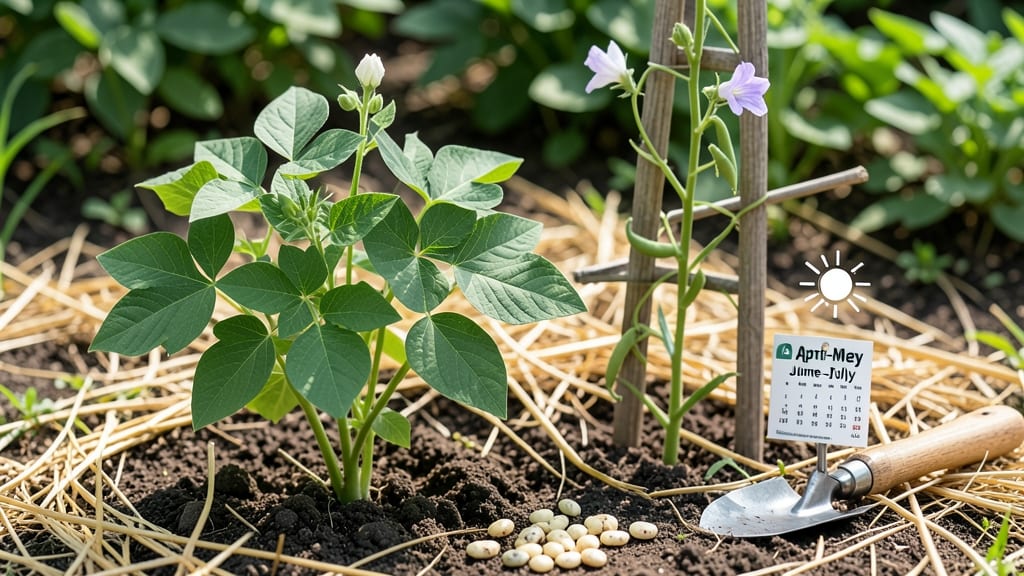
Timing your butter bean 🌱 planting in North Carolina can make or break your harvest—get it wrong, and you might end up with stunted plants or missed opportunities for a summer bounty.
Unlike some vegetables that tolerate cooler soils, butter beans need warm earth and frost-free skies to thrive, which means your county’s last frost date becomes the most important calendar marker.
Most of North Carolina’s 6b-8a zones see their final frost between mid-March and late April, but that doesn’t mean you should rush to plant. The real magic happens when soil temperatures hit a steady 60°F—usually 2-4 weeks after that last frost warning lifts.
In the Piedmont, that might mean early May, while coastal areas like Wilmington can start as early as April.
Here’s the game-changer: planting too early risks cold-soaked seeds, while waiting too long leaves you vulnerable to summer’s brutal heat. I’ll walk you through the exact windows for your region, plus soil prep tricks and companion planting hacks that work specifically for NC’s humidity and heat patterns.
Whether you’re a first-time gardener or a seasoned grower, these insights will help you align your planting schedule with North Carolina’s climate quirks—so you can enjoy fresh butter beans from July through September without the guesswork.
NC butter bean planting timeline by county: frost-free & soil warmth zones
North Carolina’s diverse climate means your butter bean planting window varies dramatically from the Coastal Plain to the Mountains. In Wilmington, you can start seeds by late March, while Asheville gardeners should wait until mid-May.
The key? Soil temperature must stay above 60°F for at least 2 weeks before planting.
Butter beans are warm-season crops, so timing them right ensures strong germination and vigorous growth. Miss the window, and you risk stunted plants or poor yields. Let’s break down the optimal planting dates by region to maximize your harvest.
🌱 PRO TIP: Use a soil thermometer to confirm readiness—cold soil delays germination even if frost risk has passed.
| Region | Last Frost Date | Optimal Planting Window | Soil Temp Threshold | Harvest Window |
|---|---|---|---|---|
| Coastal Plain (e.g., Wilmington, Fayetteville) | Late February - Early March | Late March - Mid-April | 60°F+ (consistent) | July - Early September |
| Piedmont (e.g., Raleigh, Charlotte) | Mid to Late March | Mid-April - Early May | 60°F+ (consistent) | Late July - Mid-September |
| Mountains (e.g., Asheville, Boone) | Late April - Early May | Mid-May - Early June | 65°F+ (warmer soil needed) | August - Late September |
If you’re in Zone 7b (like Durham), aim for April 15–May 1. For Zone 8a (e.g., Greenville), you can start as early as March 20. Always check your local NC State Extension for updates, as microclimates can shift planting windows by weeks.
Butter beans need 80–100 days to mature, so plan accordingly. For example, if you plant in late May in the Piedmont, your harvest will peak in late August—just before fall’s first frost. Succession planting every 2 weeks extends your harvest window.
For high-altitude areas (above 3,000 feet), like the Blue Ridge Parkway, wait until June 1 to avoid late-spring frosts. Use row covers if planting early in cooler zones to protect young seedlings.
🌿 SOIL PREP: Test your soil’s pH (aim for 6.0–7.0) and amend with compost 2 weeks before planting. Butter beans are nitrogen-fixers, so avoid over-fertilizing with nitrogen.
In humid coastal areas, like Morehead City, watch for powdery mildew and space plants 4–6 inches apart in rows 18–24 inches apart for airflow. In drier Piedmont regions, mulch heavily to retain moisture.
Plant seeds 1 inch deep and 3–4 inches apart for bush varieties or 6–8 inches apart for pole beans. Thin seedlings to 3–4 inches apart once they’re 2–3 inches tall to reduce competition.
💧 WATERING TIP: Keep soil consistently moist (not soggy) during germination. Once established, water deeply 1–2 inches per week, focusing on the roots to prevent fungal diseases.
How to adjust planting dates for butter beans in NC’s microclimates
North Carolina’s diverse geography means your butter bean planting schedule should adapt to your specific microclimate. Coastal areas like Wilmington have longer growing seasons, while mountain regions like Asheville need later starts. Even urban areas like Raleigh can experience heat islands that shift planting windows.
For high-altitude zones (e.g., Western NC), wait until mid-May when soil temperatures consistently hit 60°F+. In coastal plains, you can start as early as late March—just cover seedlings with frost cloth if nights dip below 50°F.
Urban gardens may need succession planting every 2 weeks to extend harvests.
🌱
Test Soil Warmth
Use a soil thermometer—butter beans need 60°F+ soil. In Piedmont areas, this often means mid-April planting.
Adjust for Humidity
Coastal NC’s high humidity can delay germination. Plant 1 week later than inland zones and use well-draining soil to prevent rot.
Use Row Covers
For early starts, use frost blankets to protect seedlings until late May. Remove covers when flowers appear to encourage pollination.
Succession Plant Every 2 Weeks
Stagger 3-4 plantings from April to June to ensure a continuous harvest through September.
Watch for Heat Stress
In summer heat (above 90°F), provide afternoon shade to prevent wilting. Mulch with straw to retain moisture.
If you’re in a transition zone (e.g., Charlotte or Greensboro), split the difference: start half your seeds in April and the rest in mid-May. This hedges against unpredictable spring weather while maximizing your harvest window.
For container gardening, use black pots to warm soil faster—ideal for balconies in Raleigh or urban farms. Just ensure pots have drainage holes to avoid root rot from NC’s summer downpours.
Always monitor your plants’ growth stage. If flowers appear but pods don’t set, it’s often a sign of temperature stress—either too hot or too cold. Adjust future plantings accordingly.