
Planting
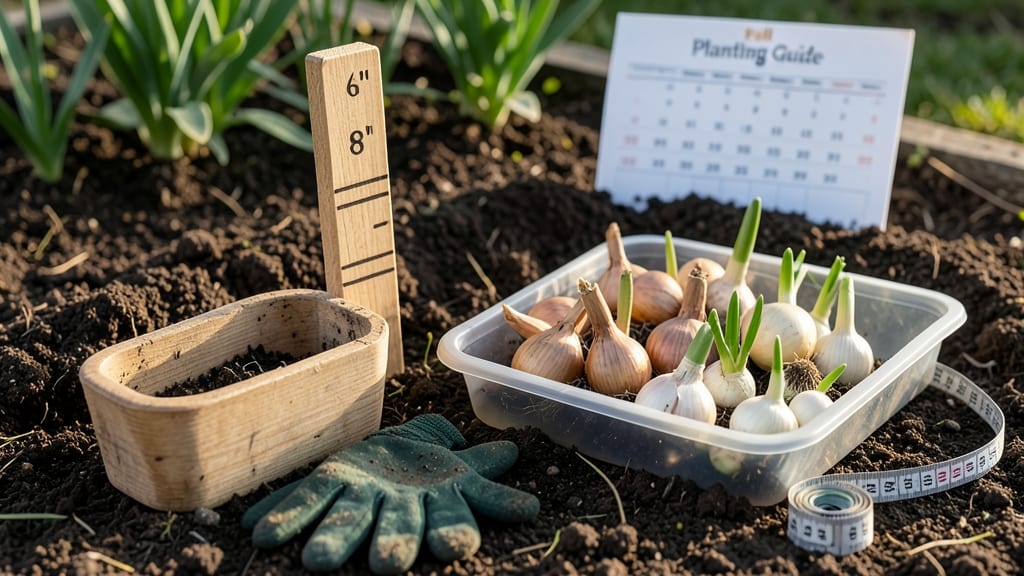
Timing your bulb planting wrong can mean waiting another year for those stunning blooms—so knowing exactly when to plant each type is the secret to a show-stopping garden. Whether you're dreaming of spring tulips or vibrant fall crocuses, the right window makes all the difference.
Most gardeners focus on fall planting for spring bloomers, but did you know some varieties thrive when planted in early spring? The key lies in understanding your USDA zone—like 6a—and adjusting for local frost dates. I’ll break down the perfect schedule so you never miss the ideal moment.
From soil prep to post-planting care, we’ll cover everything to ensure your 🌷 bulbs grow strong and bloom beautifully. No more guesswork—just a foolproof guide tailored to your garden’s needs.
Let’s dive into the chill-requirement cheat sheet that’ll transform your garden into a year-round display of color and life. Ready to get started?
Chill-requirement breakdown: when to plant spring vs. fall bulbs
Not all bulbs follow the same planting schedule—some need a chill period to bloom, while others thrive with immediate warmth.
The key difference lies in their flowering season: spring-blooming bulbs (like tulips and daffodils) plant in fall, while summer/fall-blooming types (like cannas) go in spring. Your USDA hardiness zone and local frost dates dictate the perfect window.
For spring-flowering bulbs, the rule is simple: plant them 6-8 weeks before the first frost. This gives roots time to establish before winter dormancy.
In Zone 6a (like many northern U.S. regions), that’s typically October. Southern gardeners in Zone 8+ can push planting to November-December since frost comes later.
Fall-planted bulbs need cold stratification to trigger blooming. If you miss the fall window, don’t panic—spring planting works for warm-climate varieties (e.g., rain lilies) or if you’re in Zone 9+.
Just plant after your last frost date (around April 15 in Zone 6a) and expect blooms 6-8 weeks later.
⚠️ CRITICAL TIP: Bulbs planted too early may sprout and die in frost, while late plantings won’t establish roots. Use a soil thermometer—ideal temps are 40-60°F for fall planting.
🌷 Bulb Planting Timeline by Type
| Bulb Type | Planting Time | Chill Requirement | Zone Adjustments |
|---|---|---|---|
| Tulips | Fall (Oct-Nov) | 12-16 weeks cold | Zone 3-7: Oct; Zone 8+: Dec |
| Daffodils | Fall (Oct-Nov) | 10-14 weeks cold | Zone 4-8: Oct; Zone 9+: Nov |
| Hyacinths | Fall (Oct-Nov) | 14-16 weeks cold | Zone 5-7: Oct; Zone 8+: Dec |
| Crocus | Fall (Sep-Oct) | 8-12 weeks cold | Zone 3-9: Sep-Oct |
| Summer-Blooming (e.g., Dahlias, Cannas) | Spring (after frost) | None (warmth-triggered) | Zone 7+: March-April |
💡 PRO TIP: In Zone 6a, aim to plant tulips by October 15 and daffodils by November 1. Use a planting calendar for your zone to avoid delays!
If you’re in a mild-winter zone (like Zone 8-10), some spring bulbs may bloom without chill, but their flowers will be smaller or sparse. For example, tulips in Zone 9 might need artificial chilling (store-bought bulbs are pre-chilled).
Check the seed packet for specific notes—many now list "low-chill" varieties for warm climates.
For
Best bulbs to plant now (season-specific planting calendar)
If you're eager to see your garden burst with color, timing is everything. For spring-blooming bulbs like tulips and daffodils, now is the perfect time to plant—typically 6-8 weeks before your first frost.
In Zone 6a, that means late September to early October. For summer-blooming bulbs like dahlias or gladiolas, wait until after your last frost date, usually mid-April in this zone.
Your local climate plays a huge role. In warmer southern regions, you might plant fall bulbs in October or November, while northern gardeners should aim for September planting to avoid winter thaw cycles that can damage roots. Always check your last frost date—it’s your planting deadline.
Here’s your seasonal planting cheat sheet for common bulbs, tailored to Zone 6a but adaptable to your area:
For Zone 6a gardeners, mark your calendar for September 15th—this is your last chance to plant fall-blooming bulbs like tulips before winter sets in. If you miss this window, wait until March or April for spring-planted varieties.
Pro tip: Pre-chill bulbs in the fridge for 6-8 weeks if you plant them early to mimic winter conditions.
Don’t forget to amend your soil with compost before planting—bulbs need well-draining, nutrient-rich soil to thrive. A 2-inch layer of mulch after planting helps insulate roots and retain moisture. For container gardening, use a fast-draining mix with perlite to prevent rot.
Now’s also the time to divide and replant overcrowded bulbs like daffodils or alliums. Dig them up, separate the pups (baby bulbs), and replant them in fresh soil. This rejuvenates blooms and prevents disease. Just avoid disturbing tulips—they’re shallow-rooted and stress easily.
With these season-specific tips, your garden will be a blooming paradise come spring—or summer, depending on your choices! Start planting now, and you’ll thank yourself next year when your yard becomes the neighborhood showstopper. 🌷