
Plants
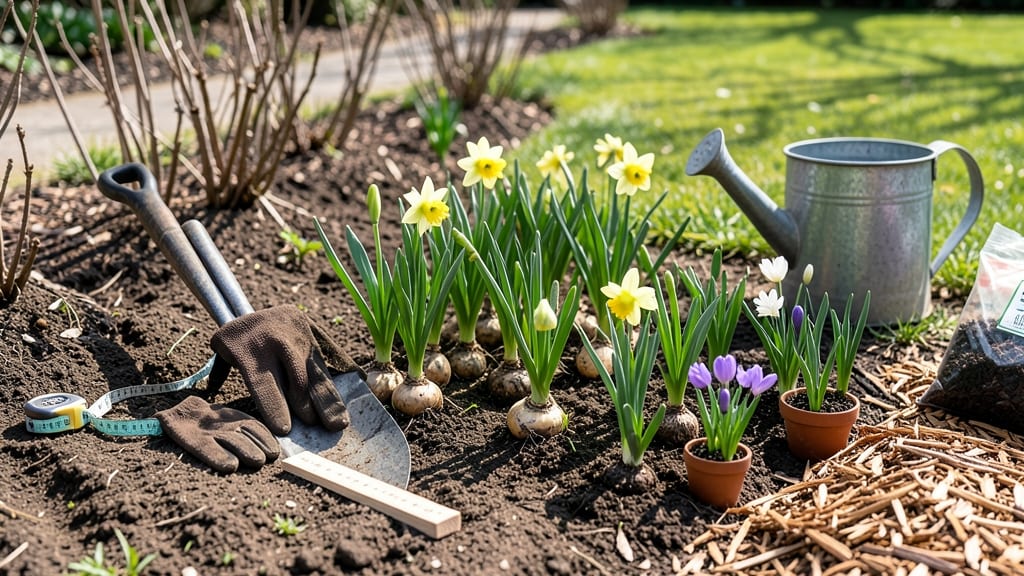
Planting Spring Flowering Bulbs (e.g., Tulips, Daffodils, Hyacinths) 🌷 in Phoenix isn’t just about timing—it’s about outsmarting the desert heat before it wipes out your blooms. Most gardeners assume cooler months mean instant success, but Arizona’s mild winters and scorching summers demand a different approach.
If you’ve ever planted bulbs only to watch them shrivel under the sun or bloom too late, you’re not alone. The key lies in understanding when to tuck them into the soil—November through February—when temperatures dip just enough to encourage root growth without triggering early heat stress.
I’ll walk you through the exact windows for planting, how to prep your soil for desert conditions, and which bulbs actually thrive in Phoenix’s USDA Zone 9b. Spoiler: It’s not just about the calendar—it’s about the right techniques to keep your bulbs alive until spring.
Ready to grow a garden that blooms on schedule? Let’s dive into the desert-smart secrets that’ll have your yard bursting with color—without the guesswork.
Phoenix bulb planting calendar: month-by-month desert smart timing
Phoenix’s extreme heat and low humidity demand precise timing for bulb planting. Unlike cooler climates, bulbs here need to establish roots before summer’s brutal temperatures arrive. The key is planting when soil temps stay below 60°F—typically November through February—while avoiding the monsoon season (July-September) when fungal risks spike.
Spring-flowering bulbs like tulips and daffodils are the most popular, but summer and fall varieties also thrive with the right care. Each month offers unique advantages—or pitfalls—so let’s break down the ideal planting windows, soil prep, and heat-stress warnings to maximize success in Arizona’s Zone 9b climate.
🌱 Key Rule: Plant bulbs 6-8 weeks before your target bloom season to ensure roots establish before summer heat hits. For Phoenix, this means November-January for spring blooms, August-September for fall/winter varieties, and avoid summer planting entirely unless using heat-tolerant species.
🌱 Phoenix Bulb Planting Timeline
| Month | Best Bulbs to Plant | Soil Temp Goal (°F) | Critical Prep | Heat Risk |
|---|---|---|---|---|
| October | Spring bulbs (tulips, daffodils), amaryllis | 65-70°F | Amend soil with compost and perlite | Low (cooler evenings) |
| November | Spring bulbs (hyacinths, crocuses), paperwhites | 60-65°F | Add mulch (2-3 inches) to retain moisture | Moderate (watch for frost alerts) |
| December | Spring bulbs (late bloomers), rain lilies | 55-60°F | Plant in shaded areas if possible | Low (coolest month) |
| January | Spring bulbs (last chance), agapanthus | 50-55°F | Use drip irrigation for consistent watering | Low (but soil dries fast) |
| February | Summer bulbs (dahlias, cannas), caladiums | 60-65°F | Pre-soak bulbs for 24 hours before planting | Moderate (heat stress begins) |
| August-September | Fall/winter bulbs (amaryllis, paperwhites), gladiolus | 75-80°F (max) | Plant in containers for mobility | High (monsoon risks) |
⚠️ Critical: Avoid planting in June-July (100°F+ soil temps kill bulbs).
For spring bulbs, the November-January window is critical. These bulbs need 6-8 weeks of cooler temps to form roots before summer heat arrives. In Phoenix, soil temperatures can still reach 70°F+ in late October, so test soil depth with a thermometer before planting.
Aim for 60°F or below at 6 inches deep.
Summer-blooming bulbs like dahlias and cannas can handle Phoenix’s heat but require extra moisture and mulching. Plant these in February when daytime temps drop below 85°F. Use organic mulch (straw or wood chips) to keep roots cool and retain moisture.
💧 Pro Tip: In Phoenix, drip irrigation is your best friend. Bulbs planted in summer months (like amaryllis) need consistent moisture without waterlogging. Set up timers for early morning watering (5-7 AM) to prevent evaporation and fungal growth.
Fall planting (August-September) is ideal for heat-tolerant bulbs like rain lilies
How to beat Phoenix heat stress: pro tips for bulb survival
Phoenix’s 110°F summers can turn bulb planting into a high-stakes gamble—unless you follow these heat-beating strategies. Bulbs planted in peak summer often roast before sprouting, so timing and shade are everything.
The key? Plant in cooler months (November-February) and use mulch + shade to mimic their native Mediterranean climates.
Your bulbs need consistent moisture without soggy soil. Water deeply once a week (early morning) to encourage roots while avoiding fungal risks. Drip irrigation is ideal—it delivers water directly to roots and reduces evaporation. Avoid overhead sprinklers, which waste water and promote disease in the desert heat.
Mulch is non-negotiable in Phoenix. Apply 3-4 inches of organic mulch (straw or wood chips) after planting to lock in moisture and insulate roots. This mimics the dry, sandy soils bulbs evolved in. Replenish mulch every 2-3 months—it breaks down fast under the sun.
🌱Pro Tip: Plant bulbs in shaded beds or under drought-tolerant shrubs (like palo verde) to reduce heat stress. If you must plant in full sun, use shade cloth (30-50%) during the hottest months (June-August). This small adjustment can mean the difference between wilting and thriving bulbs.
⚠️ Heat Stress Warning
Avoid these deadly mistakes:
- 🔥 Planting in summer heat (temperatures above 90°F)
- 💧 Overwatering (leads to rot in desert soils)
- 🌞 Skipping mulch (exposes bulbs to extreme temps)
- 🌱 Using fresh garden soil (too dense for desert bulbs)
Fix it: Amend soil with sand + compost (50/50 mix) and plant in cooler months for best survival.
Soil prep is just as critical as timing. Phoenix’s clay-heavy soils can suffocate bulbs, so amend with perlite or coarse sand to improve drainage. Aim for a loamy texture—bulbs hate soggy roots. Test your soil’s pH (ideal: 6.0-7.0 for most bulbs) and adjust with lime (to raise pH) or sulfur (to lower pH) if needed.
For summer-blooming bulbs (like dahlias), start them indoors in March and transplant after the June solstice when temps begin cooling. Use black plastic mulch to warm soil faster and protect from monsoon winds (which can uproot young plants). With these tweaks, even heat-sensitive bulbs can thrive in Phoenix.
Remember: Patience is key. Bulbs planted in November-December may not bloom until March-April—but the wait is worth it for vibrant, stress-free flowers. Stick to this plan, and your bulbs will outlast the desert heat like a pro. 🌿