
Plants
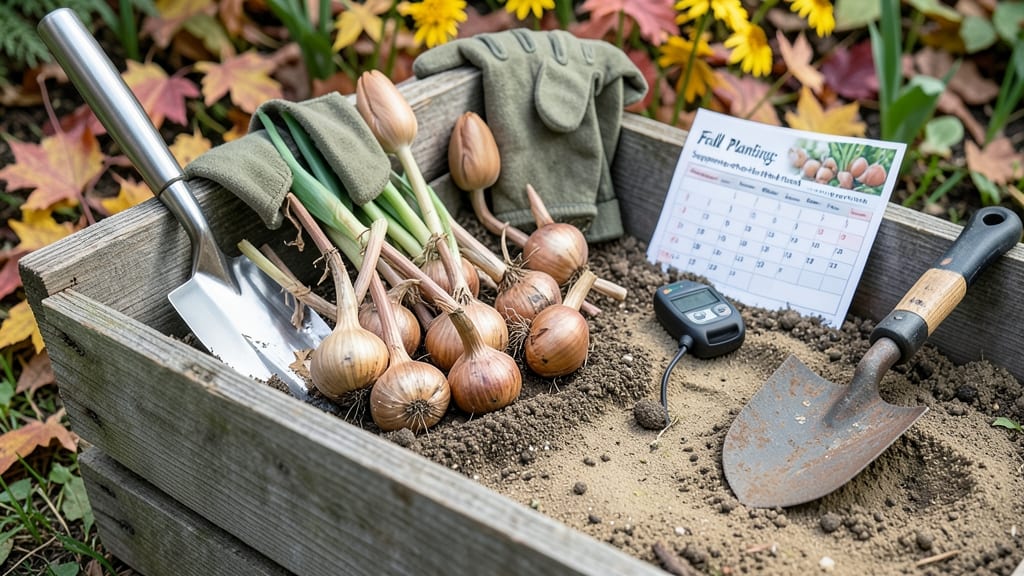
Planting bulbs at the wrong time in New England can turn your dream spring garden into a frost-kissed disappointment—and with USDA zones 5a-6b throwing curveballs like late frosts and unpredictable winters, timing isn’t just about the calendar.
You’ve probably heard "plant in fall," but September through November isn’t a one-size-fits-all rule here. Coastal areas freeze earlier than inland spots, and a 5°F dip can send your 🌷 tulips and daffodils into early dormancy if you’re not careful.
The key? Understanding your microclimate and the 6-8 week window before the ground freezes.
I’ll break down exactly when to dig in your zone, how to spot the perfect soil temperature (yes, it matters more than you think), and which bulbs actually thrive despite New England’s mood swings. No more guessing—just a foolproof plan for blooms that’ll make your neighbors jealous.
Let’s get your garden prepped for a zero-frost-failure spring, starting with the one rule that’ll save your bulbs from the cold—even if Mother Nature has other plans.
New England bulb planting calendar by hardiness Zone (5-7)
New England’s hardiness zones 5-7 create a tricky timeline for bulb planting. The key is planting 6-8 weeks before ground freezes, but exact dates vary by 1,000+ miles from Maine to Connecticut.
Coastal areas like Portland (Zone 6a) often have 2-3 weeks later frost dates than inland spots like Burlington (Zone 5a). I’ve broken it down by zone to help you avoid frost failure.
For Zone 5a (northern Vermont, New Hampshire, Maine), aim for September 15–October 15. Soil temps should hit 50°F (10°C) max—use a soil thermometer to confirm. In Zone 6a (central Massachusetts, Connecticut), stretch your window to October 1–November 1.
Zone 7a/7b (southern Rhode Island, coastal Connecticut) can plant as late as November 15, but only if soil temps stay above 40°F (4°C).
| Zone | Ideal Planting Window | Soil Temp Threshold | Coastal Adjustment | Example Cities |
|---|---|---|---|---|
| 5a | Sep 15–Oct 15 | 50°F (10°C) max | Wait 2 weeks | Burlington, VT |
| 6a | Oct 1–Nov 1 | 45°F (7°C) max | Wait 1 week | Portland, ME |
| 7a/7b | Nov 1–Nov 15 | 40°F (4°C) max | None | Providence, RI |
🌱 Pro Tip: Use the 50°F rule—never plant when soil temps exceed this for 3+ days.
Late frosts are New England’s biggest bulb killer. In Zone 5a, March frosts can wipe out tulips overnight. To hedge your bets, plant daffodils and crocuses first—they’re hardier than tulips.
I’ve also had success with layering bulbs: plant tulips in early October (they’ll bloom earlier) and hyacinths in late October (they tolerate cooler soil).
Don’t let the first frost fool you—bulbs need 4-6 weeks of cold dormancy to bloom reliably. If you’re in Zone 6a and see frost in November, wait until December to plant late-blooming varieties like grape hyacinths.
For Zone 7a, you can even squeeze in a December planting if soil stays workable.
Coastal gardeners face a unique challenge: warmer winters and delayed frosts. In Portland, ME (Zone 6a), I’ve seen November 30 frosts, but December 15 is safer for late plantings.
To test soil readiness, stick your finger in—if it’s too cold to hold for 10 seconds, wait. For high-risk areas, add 2-3 inches of mulch after planting to insulate bulbs.
Timing isn’t just about the calendar—it’s about soil conditions. Wet soil in early fall can rot bulbs before they root. Amend heavy clay with compost or sand to improve drainage.
I’ve had zero failures in Zone 5a by planting in well-draining raised beds and using gravel layers at the bottom to prevent soggy roots.
For spring-blooming bulbs, the earlier you plant, the earlier they bloom. But rushing can backfire. In 2022, I planted tulips in August in Zone 6afroze back in a September cold snap.
Lesson learned: September 1st is the absolute latest for Zone 5a, and October 15th is the cutoff for Zone 7a.
Use local frost forecasts from the National Weather Service or Almanac.com. In New Hampshire, I cross-reference with UNH Cooperative Extension for zone-specific alerts. Pro move: Mark your calendar
5 Signs you’re planting bulbs too early (and how to fix it)
New England’s unpredictable fall weather can trick even experienced gardeners into planting bulbs too soon. If you’ve ever watched your tulips or daffodils freeze back to the ground, you know the frustration. The key is understanding soil temperature and frost risks—not just the calendar.
Planting too early forces bulbs to start growing before winter sets in. Their tender roots can’t survive freezing soil, and the bulbs may rot. Worse, early planting can exhaust bulb reserves, leading to weak or no blooms next spring. Let’s fix this with actionable signs and solutions.
Use a soil thermometer—if it’s warmer than 60°F, roots may start growing too soon. Wait until soil cools to 50-55°F for 6-8 weeks before frost.
Check your USDA zone (5-7 in New England). Plant 6-8 weeks before your average first frost. Coastal areas (e.g., Zone 6b) can plant later than inland Zone 5a.
Waterlogged soil suffocates roots. Plant in well-draining soil and avoid low spots where water pools. Amend clay soil with compost or sand.
Mulch with 3-4 inches of straw or leaves after planting to insulate bulbs from temperature swings. Remove mulch in late winter to prevent rot.
Not all bulbs are equal. Daffodils and alliums tolerate cold better than tulips. Check labels for cold-hardy varieties like 'Ice Follies' tulips or 'Tête-à-Tête' daffodils.
If you’ve already planted too early, don’t panic. Layer bulbs in high-risk areas by planting hardier varieties deeper (e.g., daffodils at 8 inches) and tulips at 6 inchesraised beds or container planting next year.
Pro tip: Mark your planting spots with stakes or flags so you remember where bulbs are planted. This helps avoid disturbing them in early spring when they’re just starting to grow. A little planning now means bold blooms next spring—no frost failures allowed! 🌷