
Plants
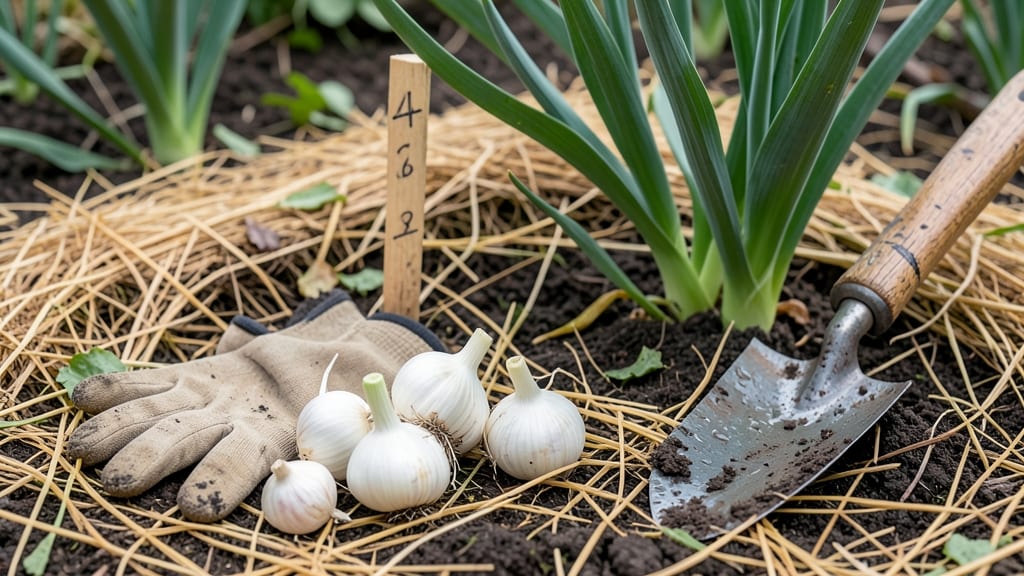
Timing your garlic planting in Rhode Island isn't just about throwing cloves in the ground—it's the key to growing plump, flavorful bulbs that make your summer dishes shine. With USDA Zone 6b winters and unpredictable spring weather, planting too early or late can leave you with weak, underdeveloped 🧄 harvests.
Most gardeners in Rhode Island know the golden window for planting hardneck varieties is between October and November, but why? The secret lies in giving your garlic enough cold exposure to develop properly while avoiding the first hard frost.
I'll show you exactly how to read your local frost dates and prepare your soil for maximum success.
You might think spring planting works just as well, but that approach often leads to smaller yields in Rhode Island's climate. The truth is, fall-planted garlic benefits from the natural winter chill, which is exactly what hardneck varieties need to form strong bulbs.
Let me walk you through the exact steps to time your planting perfectly for your Ocean State garden.
From selecting the right varieties to understanding when to mulch, this guide covers everything you need to know to grow garlic that rivals what you'd find at the farmers' market. Ready to transform your garden into a garlic powerhouse? Let's get started.
Best planting windows for Rhode Island garlic: frost dates & soil prep
Rhode Island’s USDA Zone 6b climate demands precise timing for garlic planting—too early, and cloves rot; too late, and bulbs won’t mature. The ideal window spans October through November, when soil temps hover between 40°F and 50°F.
This ensures roots establish before winter dormancy sets in. For those who miss fall, a February planting works, but yields may shrink due to shorter growing seasons.
To pinpoint your exact planting window, check the average first frost date for your region—typically mid-October in Rhode Island. Aim to plant 4–6 weeks before frost, giving garlic time to root but not sprout prematurely. Use the National Weather Service’s frost calendar or local gardening groups for real-time updates.
Soil prep is just as critical. Garlic thrives in well-draining, loose soil with a pH between 6.0 and 7.0. Test your soil using a home kit or lab analysis—Rhode Island’s clay-heavy soils often need amendments like compost or aged manure to improve aeration.
Work in 2–3 inches of organic matter 2 weeks before planting.
Choose hardneck varieties for Rhode Island—they handle cold better than softneck types. Popular picks include German White and Music, both known for their bolting resistance and robust flavor. Avoid softneck varieties like Silverskin, which struggle in Zone 6b’s harsh winters.
Here’s how to prep your cloves: Break apart a whole bulb into individual cloves, ensuring each has its papery skin intact. Plant the pointy end up, 4 inches deep and 6 inches apart in rows spaced 12 inches apart.
This spacing prevents crowding and fungal diseases like white rot, common in damp RI springs.
| Type | Best Planting Window | Winter Hardiness | Yield Potential | RI Suitability |
|---|---|---|---|---|
| Hardneck | October–November (or February) | Excellent (Zone 6b) | High (10–15 cloves/bulb) | ⭐⭐⭐⭐⭐ |
| Softneck | February–March only | Moderate (Zone 7+) | Moderate (6–10 cloves/bulb) | ⭐⭐ (Risk of heaving) |
Hardneck vs. Softneck for Rhode Island
After planting, apply a 4–6 inch layer of mulch (straw or leaves) to insulate bulbs from freeze-thaw cycles, which can heave garlic out of the ground. Remove mulch in early spring to allow soil to warm and shoots to emerge. Avoid synthetic mulches—they trap too much moisture, promoting rot.
Watering is key in Rhode Island’s variable climate. Keep soil consistently moist but not soggy until December, then reduce watering to once a month unless snow cover is absent.
Overwatering in winter can lead to bulb rot, while drought stress weakens plants. Aim for 1 inch of water per week during active growth (spring/summer).
Monitor for pests like codling moths and diseases such as rust, which thrive in RI’s humid summers. Use neem oil or row covers for prevention.
Harvest garlic when lower leaves turn brown (typically July–August), but before bulbs split open. Cure in a shady, dry place for 2–3 weeks before storing.
Pro tip: Mark your garlic rows with bamboo stakes to avoid accidentally tilling them in spring. Rhode Island’s unpredictable weather means forgetting where you planted can lead to lost harvests! 🌱
Best planting windows for Rhode Island garlic: frost dates & soil prep
Rhode Island’s USDA Zone 6b climate demands precise timing for garlic planting—aim for October through November or a late winter window in February. The key is planting 4-6 weeks before the first hard frost (typically mid-October), giving roots time to establish before winter dormancy.
For spring planting, shoot for early February to avoid bolting before harvest.
Check your local frost dates using the National Weather Service or Rhode Island Agricultural Experiment Station—this ensures you align with the 165 frost-free days garlic needs to mature. In RI, the average last frost is mid-November, so late October is your safest bet for fall planting.
| Factor | Hardneck Varieties | Softneck Varieties |
|---|---|---|
| Best Planting Window | October–November (Fall) | February (Spring) or Late Fall |
| Cold Hardiness | ⭐⭐⭐⭐⭐ (Zone 3+) | ⭐⭐⭐ (Zone 5+) |
| Flavor Profile | Bold, pungent, great for roasting | Milder, stores longer |
| RI Suitability | ✅ Ideal for hard winters | ⚠️ Risk of bolting in warm springs |
Prepare your soil by amending with compost or well-rotted manure to achieve a pH of 6.0–7.0. Garlic thrives in loamy, well-draining soil—avoid heavy clay or sandy soils that retain too much moisture.
In RI’s coastal areas, consider raised beds to improve drainage and prevent rot from winter thaws.
Plant individual cloves (not whole bulbs) with the pointy end up, 4 inches deep, and 6 inches apart. Space rows 12 inches apart to allow airflow and reduce fungal diseases like white rot.
Mulch heavily with straw or leaves (4–6 inches) to insulate roots during winter and suppress weeds.
For a second harvest, try spring planting in February—this works best for softneck varieties like Silverskin, which mature faster in RI’s shorter growing season. However, spring garlic is more prone to bolting (flowering prematurely), so prioritize hardnecks for winter planting.
Monitor soil moisture—garlic needs consistent moisture but hates soggy conditions. In RI’s unpredictable spring rains, use drip irrigation to avoid overwatering. Once established, garlic is drought-tolerant, but dry spells in late spring can reduce bulb size.