
Plants
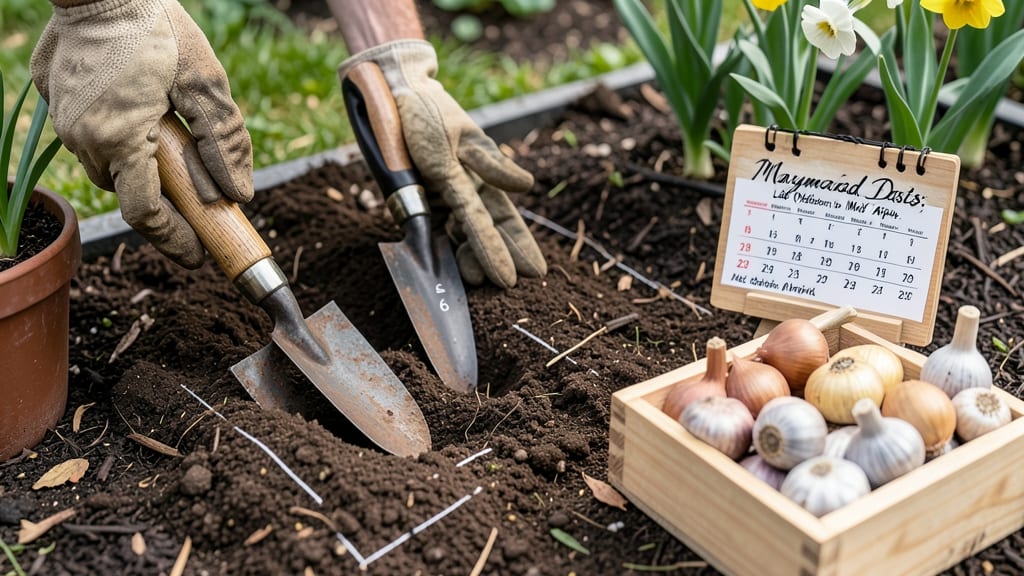
Timing your spring bulb planting in Maryland can feel like a high-stakes gamble—one wrong move, and you might end up with sad, half-blooming 🌷 instead of the vibrant displays you dream of.
The key isn’t just guessing when to dig; it’s matching your bulbs to Maryland’s 6a-7b climate, where chill hours and frost dates shift every year.
Most gardeners in Maryland swear by fall planting for classic bulbs like tulips and daffodils, but did you know spring planting can work too—if you time it right?
The secret lies in understanding your local frost dates (usually around November 15 for first frost and April 15 for last) and how they sync with your bulbs’ dormancy needs.
In this guide, I’ll break down the exact planting windows for Maryland’s zones, plus pro tips to avoid common mistakes—like planting too deep or skipping soil prep—that can turn your bulb dreams into a bust. Ready to grow a garden that wows? Let’s get started.
We’ll cover everything from chill-hour matching to adjusting for Maryland’s clay-heavy soil, so you can plant with confidence—no more guessing games. Your future spring blooms will thank you!
Maryland’s frost dates by region: when to plant spring vs fall bulbs
Timing your bulb planting in Maryland hinges on understanding the state’s USDA zones 5a–7b and frost-free windows. Northern Maryland (e.g., Baltimore County) typically has first frosts by November 15, while southern regions (e.g., Calvert County) may delay until November 30.
Spring planting windows open around March 15–April 15, but late frosts (like the 2021 Easter freeze) can catch gardeners off guard.
Fall planting is critical for spring-blooming bulbs like tulips and daffodils, as they need 6–8 weeks of cool soil to root before winter. In Maryland’s Zone 6a–7a, aim to plant September 15–November 15, adjusting for soil temperature (ideal: below 60°F).
Southern Maryland’s milder winters may extend your window to December 1, but avoid planting after the first frost.
Spring planting is a backup strategy for bulbs like crocuses and hyacinths, which tolerate cooler soils. Plant March–April in well-draining soil, but expect smaller blooms than fall-planted varieties. Heatwaves in late April–May can stress newly planted bulbs, so prioritize shade cloth or mulch in exposed beds.
🌱
Maryland Frost & Planting Timeline
| Region | USDA Zone | First Frost | Last Frost | Fall Planting Window | Spring Planting Window |
|---|---|---|---|---|---|
| Northern MD (Frederick, Baltimore) | 6a–6b | Nov 1–15 | Apr 1–15 | Sep 15–Nov 1 | Mar 15–Apr 1 |
| Central MD (Annapolis, DC Metro) | 7a–7b | Nov 15–30 | Apr 15–30 | Sep 1–Nov 15 | Mar 1–Apr 15 |
| Southern MD (Calvert, St. Mary’s) | 7b–8a | Nov 30–Dec 15 | Apr 30–May 15 | Sep 15–Dec 1 | Mar 15–May 1 |
🌡️ Pro Tip: Use a soil thermometer to confirm temps below 60°F before planting.
Maryland’s clay-heavy soils and deer pressure demand extra prep. Amend soil with compost or sand to improve drainage, and plant deer-resistant varieties like daffodils or alliums in high-traffic areas. For late-spring bloomers (e.g., lilies), wait until after May 1 to avoid frost damage.
Heatwaves in May–June can cause bulb rot if planted too late. In Zone 7b, prioritize fall planting for tulips and hyacinths, as spring conditions may be too warm. Use mulch (3–4 inches) to insulate bulbs and retain moisture during Maryland’s unpredictable springs.
For summer-flowering bulbs (e.g., dahlias or cannas), plant after Memorial Day when soil temps exceed 60°F. These bulbs thrive in Maryland’s hot summers but need well-draining soil to prevent root rot.
🌿
Track Maryland’s local frost alerts via the National Weather Service or Old Farmer’s Almanac for real-time adjustments. In erratic years (e.g., 2022’s early November frost), opt for hardier bulbs like crocuses or snowdrops, which tolerate light freezes.
📅 Key Deadlines: Northern MD: Nov 1 (fall); Southern MD: Dec 1 (fall). Spring replanting: Mar 15–Apr 15.
Chill-hour matching chart: best bulbs for Maryland’s cool seasons
Maryland’s 1,000–2,000 chill hours (USDA zones 6a–7b) mean some bulbs thrive while others struggle. Paperwhites (low-chill) may bloom indoors, but daffodils (high-chill) need winter’s bite to perform. Matching bulbs to your zone prevents wasted money and sad, sparse blooms.
Here’s how to select bulbs based on Maryland’s climate: Northern Maryland (zones 6a–6b) gets 1,500–1,800 chill hours, while Southern Maryland (zones 7a–7b) sees 1,000–1,500 hours. Choose bulbs accordingly—tulips and hyacinths love the chill, but paperwhites and amaryllis tolerate less.
| Bulb Type | Chill Hours Needed | Best for Maryland Zone | Planting Window | Bloom Time |
|---|---|---|---|---|
| Daffodils | 1,500–2,000 | 6a–7b (all zones) | September–November | April–May |
| Tulips | 1,200–1,800 | 6a–7a (best in north) | October–November | April–June |
| Hyacinths | 1,500–1,800 | 6a–7a (north/south) | September–October | April–May |
| Paperwhites | 0–500 (low-chill) | 7a–7b (south) | August–September (or indoor) | December–February |
| Crocuses | 800–1,200 | 6a–7b (all zones) | September–October | February–March |
For Southern Maryland (zones 7a–7b), paperwhites and amaryllis are safer bets—they bloom even with fewer chill hours. Northern Maryland gardeners can push the envelope with fritillarias or grape hyacinths, which love the extra cold.
Pro tip: If you’re unsure about chill hours, plant daffodils—they’re the most forgiving and deer-resistant. For container gardening, paperwhites or hyacinths force indoors with minimal chill.
Always check the bulb packaging for chill-hour ranges—some varieties (like Darwin tulips) need 1,500+ hours, while others (like species tulips) get by with 1,000. Mismatch chill hours, and you’ll end up with leaves but no flowers—a gardener’s worst nightmare!