
Plants
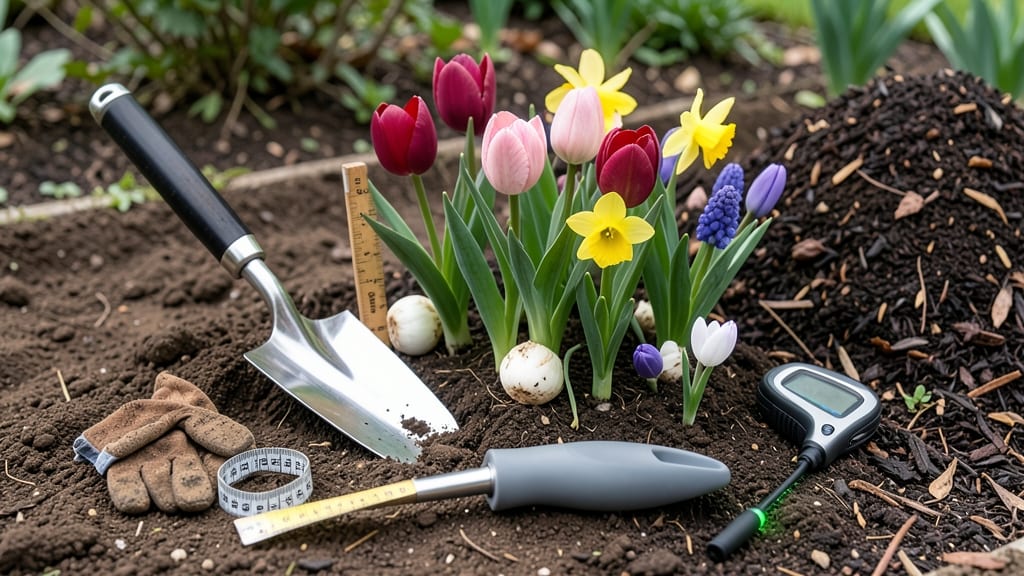
If you’ve ever planted bulbs in Indiana only to watch them bolt too early and get fried by late frosts, you’re not alone—and there’s a simple fix.
The perfect planting window for bulbs in Indiana isn’t just about months; it’s about matching your bulbs to the region’s chill-hour zones to guarantee vibrant, frost-free blooms every spring.
Indiana’s climate—especially in USDA Zone 6a—can be tricky. Plant too early in the fall, and your tulips might sprout before winter sets in. Wait too long, and you risk shallow roots before the ground freezes.
The solution? A 6-8 week window before the first frost (typically September–October) for fall-planted bulbs like daffodils and crocuses, plus a spring refresher for varieties like hyacinths.
But timing isn’t the only secret. Soil temperature, bulb depth, and even your garden’s microclimate (northern vs. southern Indiana) play a role. I’ll walk you through the exact steps—from prepping your soil to adjusting for Indiana’s unpredictable frosts—to ensure your bulbs bloom on schedule, not on a whim.
Ready to skip the guesswork? Let’s dive into the chill-hour strategy that’ll turn your Indiana garden into a springtime showstopper—without the frost-related casualties.
Indiana’s chill-hour zones: the key to perfect bulb timing
Indiana’s USDA zones 5-7 create unique challenges for bulb gardeners. The state’s chill-hour requirements (hours below 45°F) determine whether bulbs sprout too early or fail to bloom. Northern Indiana needs 1,200+ chill hours, while southern areas often get 600-900 hours—a critical difference for tulips and hyacinths.
Matching bulbs to chill hours prevents bolting (premature sprouting) and ensures vibrant spring displays. For example, daffodils thrive in 300-600 chill hours, while crocuses need just 200-400 hours. Misjudging these zones can mean wasted bulbs or delayed blooms—especially in Zone 6a areas like Indianapolis.
Here’s how Indiana’s zones break down by chill hours and ideal bulb types:
| Zone | Chill Hours | Best Bulbs | Planting Window |
|---|---|---|---|
| Northern IN (Zone 5) | 1,200+ | Tulips, Hyacinths, Alliums | Mid-Sept to Oct 15 |
| Central IN (Zone 6a) | 900-1,200 | Daffodils, Crocuses, Fritillaries | Late Sept to Nov 1 |
| Southern IN (Zone 7) | 600-900 | Daffodils, Snowdrops, Grape Hyacinths | Oct 15 to Nov 15 |
Northern Indiana’s longer chill periods allow for tulips and hyacinths, while southern areas benefit from low-chill varieties like grape hyacinths or snowdrops. Always check bulb packaging for chill-hour ranges—this is your first line of defense against early sprouting.
Soil temperature plays a critical role. Bulbs need 60°F soil to sprout, but 40-50°F keeps them dormant. In Zone 6a, aim to plant when daytime temps hit 60°F but nighttime drops below 50°F—typically mid-September.
Pro tip: Use a soil thermometer to monitor conditions. If temps hover near 50°F for weeks, your bulbs may sprout too soon. In southern Indiana, wait until October to avoid this risk entirely.
Indiana’s microclimates add another layer. Urban areas like Indianapolis can be 5°F warmer than rural spots, delaying chill accumulation. Adjust planting dates 1-2 weeks later in cities to match cooler rural zones.
For reliable blooms, pair chill-hour matching with proper bulb depth. Plant tulips and daffodils at 6-8 inches deep—deeper in sandy soils, shallower in clay. This protects them from temperature fluctuations near the surface.
Remember: Fall planting is non-negotiable for most bulbs. Spring-planted bulbs (like caladiums) are exceptions, but they require warm soil—wait until after last frost (typically mid-April in Indiana).
By aligning bulbs with Indiana’s chill-hour zones, you’ll skip the heartbreak of frost-killed sprouts and enjoy bold, early spring color year after year. Start with daffodils and crocuses for foolproof results!
Best bulbs for Indiana gardens and their ideal planting months
Indiana’s climate offers the perfect stage for spring-blooming bulbs, but timing is everything. Daffodils and tulips are crowd-pleasers, while alliums and crocuses add early color. Each thrives with 6-8 weeks of chilling before spring, but Indiana’s USDA zones 5-7 create microclimates that demand precision.
For northern Indiana (zones 5-6), aim to plant fall-blooming bulbs like crocuses and hyacinths in September-October. Southern Indiana (zone 7) can extend planting until mid-November, but avoid waiting too long—bulbs need 4-6 weeks to root before frost.
🌱 Did You Know? Indiana’s last average frost date varies by region—April 15 in the north vs. March 20 in the south. This means tulips planted in October in northern Indiana may sprout too early if planted in November in the south.
Spring-planted bulbs like caladiums or gladiolus (for summer color) can go in March-April once soil temps hit 60°F. But for zero bolt risk, stick to fall planting—it’s the gold standard for Indiana’s climate.
Pro tip: Layer bulbs by size—largest at the bottom, smallest on top—to create a staggered bloom timeline from early crocuses to late tulips. Mulch after planting to insulate roots and prevent heaving during freeze-thaw cycles.
For extended blooms, mix early bloomers (crocuses) with late bloomers (alliums). This ensures your garden stays vibrant from March through June—no sad gaps in your spring color show! 🌷