
Plants
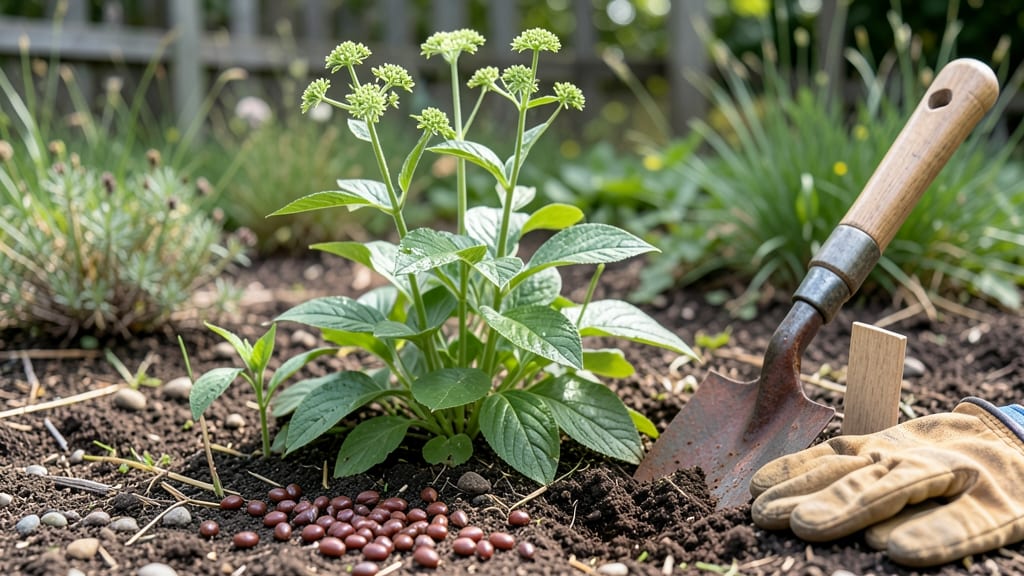
If you're wondering when to plant buckwheat in Michigan, timing is everything for this fast-growing cover crop that protects your soil and feeds pollinators. Michigan's 5b-6b zones mean you've got two prime windows: late spring and early fall, when temperatures cooperate and frost isn't lurking.
Buckwheat thrives in Michigan's climate because it grows quickly—45-60 days to harvest—giving you a head start on soil protection before winter sets in. Plant too early, and you might face frost damage; too late, and you miss the chance to establish strong roots before the cold arrives.
I'll walk you through the exact planting schedule for Michigan's regions, including soil prep tips and how to avoid common mistakes that can derail your cover crop. Whether you're in Detroit or the Upper Peninsula, you'll learn how to align buckwheat growth with Michigan's unpredictable weather for maximum benefits.
By the end, you'll know exactly when to sow, how to care for it, and why this fast-growing crop is a game-changer for your garden's health. Let's get started!
Optimal buckwheat planting windows in Michigan by region (Detroit, northern, southern)
Michigan’s diverse climate means buckwheat planting times vary dramatically from southern Lower Peninsula to northern regions near the UP. Understanding these differences ensures your cover crop thrives before early fall frosts or late spring rains derail growth.
Let’s break down the best planting windows for each region, including USDA Zones 5b-6b.
In southern Michigan (e.g., Detroit, Ann Arbor, Kalamazoo), where last frosts typically occur by mid-April, buckwheat can be sown as early as late April.
This early window takes advantage of warmer soils and longer growing seasons, allowing for a late July harvest before frost risks return in September.
For central Michigan (e.g., Lansing, Grand Rapids), aim for early May plantings to avoid late spring frosts that can linger until early May. This timing ensures buckwheat reaches maturity by early August, providing summer weed suppression and soil protection.
Northern Michigan (e.g., Traverse City, Petoskey, UP regions) has a shorter growing season, so focus on late May to early June plantings. Here, buckwheat should be harvested by late July to avoid early fall frosts that can hit as early as mid-September.
Don’t overlook fall plantings! In all regions, August to early September is ideal for a second buckwheat crop. This timing allows the plant to establish roots before first frosts in October-November, providing winter soil protection and early spring biomass.
| Region | Last Frost Date | Optimal Planting Window | Harvest Window | Key Consideration |
|---|---|---|---|---|
| Southern MI (Detroit, Ann Arbor) | Mid-April | Late April - Early May | Late July - Early August | Longer growing season; risk of late spring rains |
| Central MI (Lansing, Grand Rapids) | Early May | Early May - Mid-May | Early August - Mid-August | Moderate frost risk; stagger plantings |
| Northern MI (Traverse City, UP) | Early May | Late May - Early June | Late July - Early August | Shorter season; prioritize early maturity |
| All Regions (Fall Planting) | Mid-October | August - Early September | September - October | Soil protection before winter; avoid late plantings |
Pro tip: Use Michigan State University’s Frost Free Date Map to pinpoint your exact last frost date. For most gardeners, this means planting buckwheat 2-3 weeks after the average last frost—giving seeds time to germinate in 50°F+ soil.
If you’re in Zone 5b (northern regions), consider cold-hardy buckwheat varieties like ‘Tokachi’ or ‘Manchuria’, which tolerate cooler soils better than ‘common buckwheat’. These varieties can handle late spring plantings without sacrificing yield.
For Detroit gardeners, don’t miss the early spring window—buckwheat planted in late April can outcompete weeds by June, giving you a cleaner garden bed for summer crops. Just be prepared to harvest by late July before humidity spikes.
In northern Michigan, focus on staggered plantings every 2-3 weeks from late May to early June. This strategy ensures a continuous supply of biomass for soil erosion control and pollinator support throughout the summer.
Remember, buckwheat’s fast growth cycle (just 45-60 days to maturity) makes it perfect for Michigan
How to time buckwheat planting for maximum soil protection and pollinator benefits
Timing your buckwheat planting isn’t just about avoiding frost—it’s about maximizing soil health and pollinator support during Michigan’s short growing season. Since buckwheat grows 45-60 days to maturity, aligning its growth with your garden’s needs ensures year-round soil protection and continuous weed suppression.
For spring plantings, aim to sow buckwheat 2-3 weeks after your last frost date—this gives seeds time to germinate in 50°F+ soil while ensuring the crop matures before summer weeds take over.
In southern Michigan, this means late April plantings for a July harvest, while northern regions should wait until late May.
Here’s how to stagger plantings for continuous cover: Plant successive batches every 2-3 weeks from late April to early June. This creates a rolling harvest that keeps weeds at bay and feeds pollinators throughout the summer.
For example, a June planting will provide biomass just as fall weeds start to sprout.
- 🌱 Plant in late April-May for summer weed suppression and soil erosion control.
- 🐝 Stagger plantings every 2-3 weeks to extend pollinator support from June to September.
- 🌾 Harvest before seed heads shatter to prevent reseeding and add biomass to compost.
- 🍂 Fall plantings in August-September protect soil before winter frosts and decompose into spring fertilizer.
- 💧 Water deeply after planting to encourage strong root growth in Michigan’s clay-heavy soils.
Buckwheat’s fast growth makes it ideal for late-season plantings too. In August-September, sow a second crop to outcompete weeds before frost and decompose into organic matter over winter. This fall planting strategy is especially useful in Zone 5b, where early frosts can limit other cover crops.
Pro tip: Use buckwheat’s shallow root system to your advantage—it scavenges nutrients from the topsoil, making it perfect for replenishing depleted beds after heavy harvests. After mowing or tilling the golden-brown seed heads, the biomass breaks down quickly, releasing nitrogen and organic matter for your next crop.
For pollinator benefits, buckwheat’s tiny white flowers attract bees, butterflies, and beneficial insects during late summer, when other nectar sources are scarce. Planting near vegetable gardens or flower beds creates a pollinator corridor that boosts yields for your tomatoes, peppers, and squash.
Remember, buckwheat’s short lifespan is its superpower—it grows, blooms, and dies back in just 60 days, leaving no room for perennial weeds like quackgrass or dandelions. By rotating plantings and harvesting at the right time, you’ll have weed-free soil and happy pollinators all season long.