
Plants
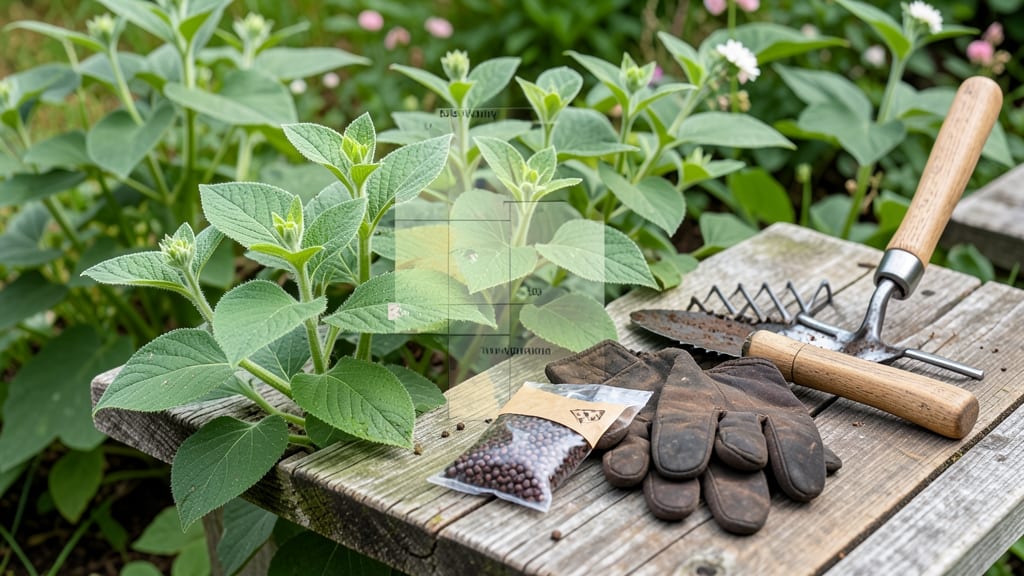
Planting buckwheat in Georgia at the wrong time can mean wasted effort—or worse, a crop lost to frost or weeds. This fast-growing cover crop 🌾 thrives in 7b-8b zones but needs precise timing to deliver its dual benefits: edible grains and natural weed suppression.
Most gardeners in Georgia miss the two best windows—spring (mid-March to early April) and summer (late July to early August)—because they focus only on frost dates.
But buckwheat’s 60-75 day growth cycle means planting too late in spring risks grain loss, while summer plantings must beat the heat to mature before fall frosts.
I’ll show you exactly how to align your planting schedule with Georgia’s microclimates, soil temps, and even your garden’s rotation plan. Whether you’re growing it for grain, greens, or soil health, timing is the key to unlocking buckwheat’s full potential.
Skip the guesswork: Learn the fastest, most reliable methods to get buckwheat in the ground—so you can harvest before weeds take over or the season slips away.
Optimal planting months for buckwheat in Georgia’s climate zones
Georgia’s diverse climate—from the cooler North Georgia mountains to the hotter South Georgia plains—means buckwheat planting times vary by USDA zones 7a-8b. In Zone 7a (North GA), where frost lingers until mid-April, aim for mid-April to early May plantings.
Meanwhile, Zone 8b (South GA) gardeners can start as early as mid-March and still enjoy a full harvest before summer heat peaks.
For summer buckwheat, the window narrows to late July to early August across all regions. This timing ensures seeds mature before first frost (Nov 15) while avoiding Georgia’s brutal August heat waves, which can stress young plants.
Local farmers swear by planting after July 20th to dodge aphid outbreaks that thrive in early summer humidity.
Elevation plays a hidden role: In mountain counties (Zone 7a), plant 2-3 weeks later than coastal areas to avoid late-spring frosts. For example, Dahlonega (Zone 7a) gardeners often wait until April 15th, while Savannah (Zone 8b) starts by March 20th.
Always check your last frost date—planting too soon risks frost damage to tender seedlings.
Here’s how Georgia’s microclimates break down for buckwheat success:
| Region | USDA Zone | Spring Planting Window | Summer Planting Window | Key Consideration |
|---|---|---|---|---|
| North Georgia (Blue Ridge) | 7a | Mid-April to early May | Late July to early August | Wait for soil temps ≥50°F; watch for late frosts |
| Central Georgia (Atlanta) | 7b | Late March to mid-April | Early July to mid-August | Balanced heat; ideal for grain production |
| South Georgia (Coastal) | 8b | Mid-March to early April | Late June to early July | Humidity risks; plant after rains subside |
Pro tip: Use Georgia’s 10-inch soil thermometer to confirm 50°F+ temperatures before planting. Cold soil slows germination, and buckwheat seeds need warmth to sprout reliably. In Zone 7a, I’ve seen seedlings take 10+ days to emerge if planted in 45°F soil—double the usual time!
For grain production, prioritize spring plantings (March-April) to maximize seed yield. Summer plantings focus on weed suppression and soil improvement before fall crops. My neighbor in Thomasville (Zone 8a) plants two successions: one in April for grain and another in July to smother weeds before squash.
Watch for heat stress in late summer. If temperatures exceed 90°F for 3+ days, buckwheat may bolt prematurely. Mulch with straw to keep roots cool and retain moisture during Georgia’s dog days.
In 2023’s heatwave, my summer-planted buckwheat wilted without mulch but thrived with a 2-inch straw layer.
Adjust your schedule if you’re growing buckwheat for green manure vs. grain. For soil health, plant 6-8 weeks before termination (e.g., June 1st for a July 31st chop-and-drop). For grain, aim for 75 days to maturity—so a May 1st planting yields by July 15th.
Remember: Buckwheat’s fast growth (60-75 days) makes it perfect for Georgia’s short seasons. Miss the window, and you’ll either face frost damage or overly mature plants that shatter seeds. Plan ahead, and you’ll reap the rewards—weed-free soil and homegrown grains—all summer long. 🌾
How to time buckwheat planting for maximum weed suppression & soil benefits
Timing your buckwheat planting isn’t just about avoiding frost—it’s about strategically outsmarting weeds and maximizing soil health. In Georgia, I’ve found that planting buckwheat at the right moment can smother weeds before they take hold, while also preparing your soil for the next crop.
The key is understanding its 60-75 day growth cycle and aligning it with your garden’s needs.
For weed suppression, I plant buckwheat as soon as the soil warms to 50°F (10°C), typically mid-March to early April. This gives it a head start on germinating weeds while still allowing it to mature before summer heat peaks.
In southern Georgia, where springs arrive earlier, I might even start in late February if the ground isn’t frozen.
Plant buckwheat 2-3 weeks before weeds typically emerge. In Georgia, this means mid-March for most regions. The dense canopy will block sunlight from reaching weed seeds.
If weeds are already present, plant buckwheat after they’ve sprouted (around early April). The fast-growing crop will outcompete them within 3-4 weeks.
For late-season benefits, sow buckwheat in late July to early August. It’ll mature by October, adding organic matter before winter and suppressing winter weeds.
Mow or till buckwheat 2-3 weeks before planting your next crop. This gives it time to decompose and release nutrients without competing with new seedlings.
I’ve also learned that sequencing buckwheat with other crops extends my growing season. After harvesting winter wheat in late May, I’ll plant buckwheat immediately to suppress weeds until I’m ready to direct-sow summer squash in June.
The buckwheat’s deep roots also break up compacted soil, making it easier for squash vines to establish.
For grain production, timing shifts slightly. Plant in late April to early May to ensure flowers mature before Georgia’s first frost (around November 15). The 75-day growth cycle means you’ll need to start by mid-July for a fall harvest.
I’ve found that varieties like 'Manga' handle Georgia’s heat better than others, so I prioritize those for summer plantings.
Pro tip: Use a soil thermometer to confirm 50°F soil temps before planting. In North Georgia’s cooler microclimates, this might delay planting by 1-2 weeks compared to South Georgia. The right timing turns buckwheat from a mere cover crop into your garden’s workhorse.