
Plants
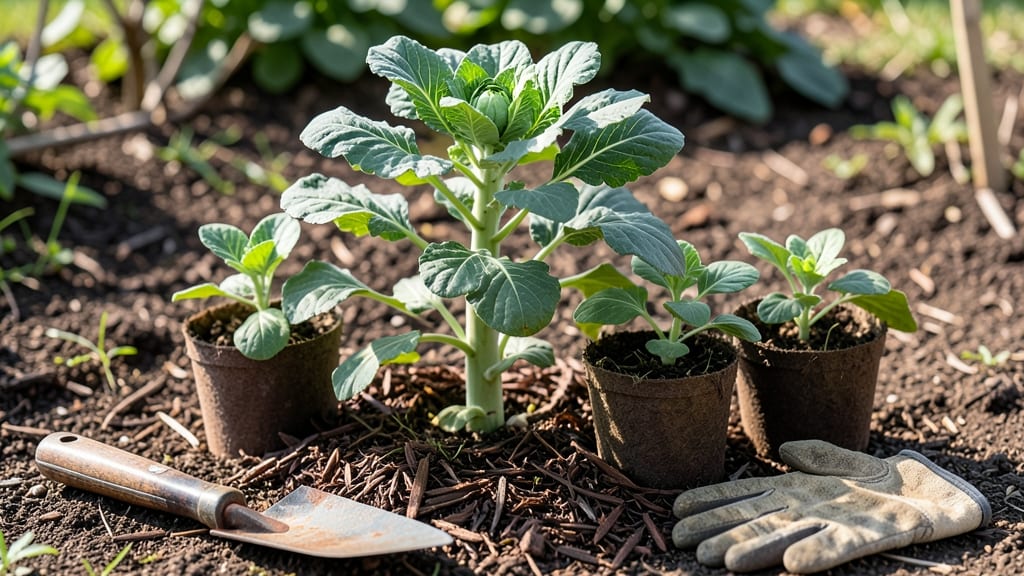
Timing your Brussel sprouts 🥦 planting in Virginia can mean the difference between a bountiful harvest and wasted effort. These cool-weather crops thrive in your 6a-8a zones when planted just right—too early, and they bolt; too late, and frost ruins them before they mature.
Most Virginia gardeners get it wrong by planting too close to summer heat or ignoring frost dates. The key is starting seeds indoors 8-10 weeks before your last frost (typically March-April) or sowing directly after soil warms in July-August for a fall harvest.
I’ll break down the exact planting windows for your zone, plus which frost-resistant varieties perform best in Virginia’s climate. With the right timing, you can enjoy homegrown Brussels sprouts from October through December—no guesswork needed.
Let’s dive into the simple strategies that’ll have your plants maturing perfectly, even with Virginia’s unpredictable weather patterns. Ready to grow like a pro?
Best planting windows for brussel sprouts in Virginia’s climate zones
Virginia’s diverse climate zones (5b through 8a) create unique challenges and opportunities for growing brussel sprouts. The key to success lies in planting during windows that align with your last frost dates and the plant’s 60-day maturity window.
In cooler zones like 5b-6a, you’ll want to plant earlier, while warmer zones like 7a-8a offer a slightly extended season.
Brussel sprouts thrive in cool weather and struggle when temperatures exceed 80°F. This makes Virginia’s spring and fall planting windows ideal. A well-timed spring planting gives you a fall harvest before hard frosts arrive, while a late-summer planting can produce sprouts through winter’s mildest months.
Here’s how to align your planting with Virginia’s USDA zones and frost dates:
| Zone | Last Frost | Spring Planting Window | Fall Planting Window | Harvest Window |
|---|---|---|---|---|
| 5b-6a | Mid-April | Mid-March to early April | Early July to mid-July | Late September to December |
| 7a | Early April | Late February to March | Late June to early July | Mid-September to December |
| 8a | Late March | Early February to late March | Early July to late July | Early September to December |
*Adjust dates by 1-2 weeks based on microclimates and weather patterns.
For spring planting, aim to have seedlings ready to transplant 2-3 weeks after your last frost date. This ensures they establish roots before summer’s heat arrives. In Zone 5b-6a, this typically means starting seeds indoors by mid-February or sowing directly in late March.
In Zone 7a-8a, you can push the envelope slightly. Start seeds indoors by late January for a mid-March transplant, or sow directly in early April. The goal is to have mature plants ready for harvest by mid-October, before temperatures drop too low.
Fall planting is where Virginia gardeners truly shine. By sowing seeds in late July or early August, you’ll have plants ready for harvest by October or November, often lasting through December’s mild winters.
This method avoids the heat stress of summer planting while extending your harvest into winter.
Always monitor your local frost forecasts and adjust planting dates accordingly. A sudden early frost can ruin your crop, while a late frost might delay your spring planting. Use row covers or cold frames to protect young plants if frost threatens during the spring planting window.
Remember, brussel sprouts need 60-90 days to mature. In Virginia’s climate, this means planting early enough to avoid summer bolting (when plants flower prematurely) but late enough to harvest before hard frosts damage the crop.
With careful timing, you can enjoy fresh, homegrown brussel sprouts from October through December—just in time for holiday meals! 🥦
Best planting windows for brussel sprouts in Virginia’s climate zones
Virginia’s diverse climate—from the cooler highlands to the warmer coastal plains—means planting timing varies by USDA zone. In Zone 5b (mountains), aim for late March to early April, while Zone 7a (central VA) thrives with mid-April to early May starts.
Coastal Zone 8a can even plant in late February for early harvests.
Brussel sprouts need 60-90 days to mature, so calculate backward from your first frost date. Most Virginia regions face frost by mid-November, so late-summer starts (July-August) work too for fall harvests. Soil temperature must stay above 40°F for germination.
For spring planting, start seeds indoors 8-10 weeks before last frost (February in Zone 8a, March in Zone 5b). Transplant seedlings 2-3 weeks after last frost for established roots. Fall planting? Direct-sow seeds in July for harvests before winter.
| Zone | Last Frost | Spring Planting | Fall Planting | Harvest Window |
|---|---|---|---|---|
| 5b (Mountains) | Late April | Late March–Early April | July–Early August | October–December |
| 6a (Piedmont) | Early April | Mid-March–Mid-April | Late July–August | October–December |
| 7a (Coastal Plain) | Late March | February–March | August–Early September | October–December |
| 8a (Tidewater) | Mid-March | January–February | September–Early October | November–December |
Pro tip: Use row covers in early spring or late fall to extend your season by 2-4 weeks. These lightweight fabrics shield plants from light frosts (down to 25°F) while allowing sunlight through. Remove covers during the day to prevent overheating.
For direct sowing, choose cooler days (50-60°F) to avoid bolting (premature flowering). Plant seeds ½ inch deep and 1 inch apart once sprouts appear. Soil pH should be 6.0-7.0—Virginia’s clay-heavy soils often need compost to improve drainage.
Remember: Brussel sprouts love cool weather. In Zone 8a, you can even plant a winter crop in October for harvests in January-February—just protect them with mulch and frost blankets! 🌱