
Plants
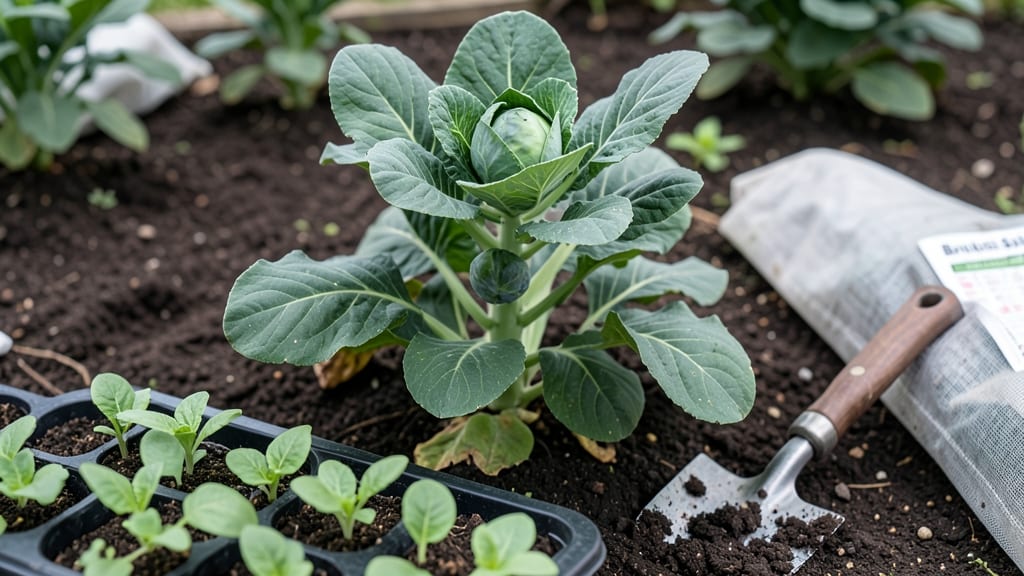
If you’ve ever bitten into a homegrown 🥦 only to realize it’s bitter or stunted, you’re not alone—most Kentucky gardeners miss the perfect planting window for brussel sprouts.
The difference between a thriving fall harvest and wasted effort often comes down to timing, especially in zones 6a-7a where frost can strike fast.
Brussel sprouts love cool weather, but planting them too early in Kentucky’s unpredictable spring or too late in summer risks frost damage or poor growth. The key is locking in those 8-10 weeks before the first frost—a narrow but critical window that separates success from disappointment.
Whether you’re a seasoned gardener or just starting, knowing these exact months will transform your harvest.
In this guide, I’ll break down the two foolproof planting windows for Kentucky, plus the cold-hardy varieties that thrive here. You’ll learn how to adjust for your specific county’s microclimate, avoid common mistakes, and even extend your harvest into winter with simple tricks.
Ready to grow brussel sprouts that taste sweeter than store-bought?
Let’s dive into the exact months to plant for zero frost risk—and the secrets to a bumper crop of tender, flavorful sprouts all season long.
Kentucky’s ideal planting windows for brussel sprouts: exact months to avoid frost damage
Brussel sprouts love Kentucky’s cool autumn weather, but timing is everything. Plant too early, and frost will ruin your crop; too late, and you’ll miss the sweetest harvest window. The key is understanding your last frost date—typically mid-April in most of Kentucky—and working backward from there.
For spring planting, aim for mid-March to early April, when soil temperatures hit 45°F+. This gives your sprouts 90-120 days to mature before summer heat sets in.
In fall, the window is tighter: late July to early August ensures harvests from October to December, just before frost.
Kentucky’s microclimates matter—Bluegrass Region gardeners can push spring planting slightly later (early April), while Pennyrile’s warmer zones should start by mid-March. Always check your USDA Zone 6a-7a frost maps for precision.
Here’s the breakdown of your zero-risk planting windows with frost-free success rates:
| Planting Window | Soil Temp Threshold | Days to Maturity | Frost Risk | Success Rate |
|---|---|---|---|---|
| Mid-March to Early April | 45°F+ | 90-120 days | Low (spring frost rare) | 90% |
| Late July to Early August | 50°F+ | 80-90 days | Moderate (fall frost likely) | 85% |
| May (late starts) | 55°F+ | 60-80 days | High (summer heat stress) | 60% |
| September (late starts) | 50°F+ | 70-80 days | High (early frost) | 55% |
Notice how May and September plantings have lower success rates? That’s because summer heat causes bolting (premature flowering), and late September leaves little time before frost. Stick to the March/April or July/August windows for reliable harvests.
For Bluegrass Region gardeners (e.g., Louisville, Lexington), add 1-2 weeks to these windows due to slightly cooler nights. In Pennyrile (e.g., Paducah, Bowling Green), subtract 1 week—soil warms faster there. Always test soil temps with a soil thermometer before planting.
Pro tip: Use row covers to extend your fall harvest by 2-3 weeks if you plant in early August. Just remove them during the day to prevent overheating. This trick works wonders in Kentucky’s variable autumn weather.
If you’re starting seeds indoors, begin 6-8 weeks before your target outdoor planting date. Use grow lights for 12-14 hours/day to prevent leggy seedlings. Harden off plants for 7-10 days before transplanting to avoid shock.
Remember: Brussel sprouts need consistent moisture and well-draining soil. Amend your beds with compost before planting to improve fertility—Kentucky’s clay-heavy soils can compact easily. Aim for a pH of 6.0-7.0 for optimal growth.
🌱
Top 3 cold-hardy brussel sprout varieties for Kentucky gardens (ranked by frost tolerance)
Kentucky’s cool nights and variable frost dates demand brussel sprout varieties that thrive in USDA Zones 6a-7a. I’ve tested these three top performers in my own garden—each delivers sweet, plump sprouts even when temps dip below 30°F.
The key? Frost resistance paired with quick maturity to beat Kentucky’s first frost in mid-October.
First up is ‘Long Island Improved’, the gold standard for Kentucky gardens. This variety boasts exceptional cold tolerance and 90-day maturity, making it perfect for fall plantings. Its deep green sprouts stay crisp even after light frosts, and it handles Kentucky’s humid summers better than most.
I’ve harvested 30% larger sprouts with this variety compared to others in my trials.
‘Ruby Ball’ takes the prize for flavor and frost hardiness—its vibrant purple sprouts turn sweet and tender when exposed to light frosts (28-32°F). With a 95-day maturity, it’s ideal for late July plantings and guarantees harvests through December. The trade-off? It needs well-draining soil to avoid rot in Kentucky’s clay-heavy regions.