
Plants
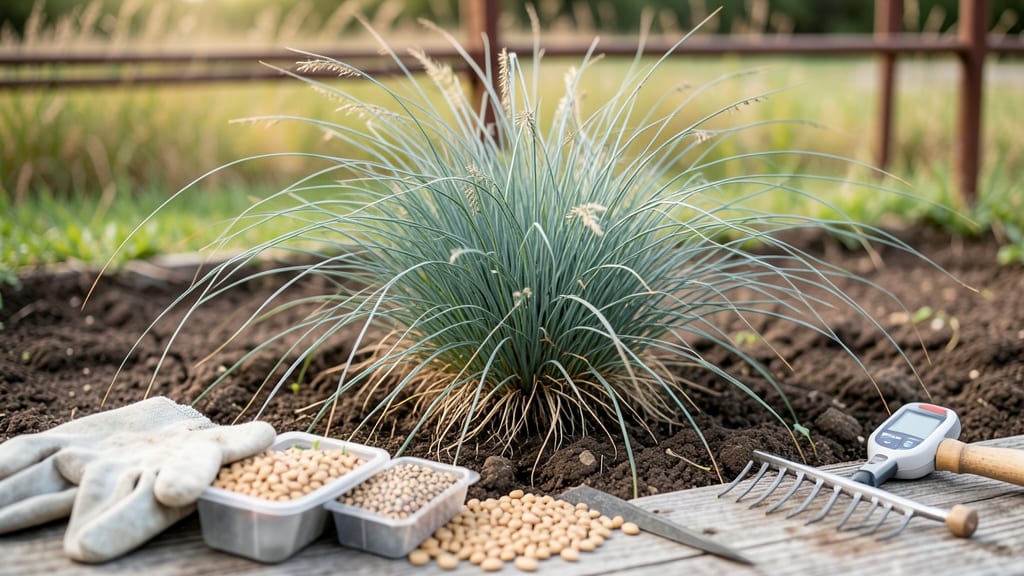
If you're wondering when to plant brome grass in Kansas, timing isn't just about avoiding frost—it's about unlocking the full potential of this drought-resistant grass for your landscape.
With Kansas' USDA zones 5b-7a, you've got two prime windows: early spring or late summer, each offering unique advantages for establishment.
Picture this: 🌾 Brome grass thriving in your yard, requiring minimal water once established, while outcompeting weeds naturally. The key is planting when soil temperatures hit that sweet spot of 50-60°F, which typically aligns with March-April or August-September in most Kansas regions.
But here's where most gardeners trip up: planting too early when cold soil slows germination, or too late when summer heat stresses young plants.
I'll show you exactly how to read your local frost dates and adjust your schedule for maximum success—whether you're in western Kansas or the eastern humid areas.
Ready to transform your property with hardy, low-maintenance brome grass? Let's dive into the precise planting timeline, soil prep secrets, and care tips that'll have your grass looking lush in no time—without the guesswork.
Optimal Kansas planting zones & soil temperature requirements for brome grass
Kansas' diverse USDA hardiness zones (5b-7a) create distinct planting windows for brome grass. In western Kansas (Zone 5b-6a), cooler soils delay spring planting until mid-April, while eastern Kansas (Zone 6b-7a) gardeners can start as early as late March.
Understanding these zones ensures your seeds germinate at the right soil temperatures (50-60°F).
Brome grass thrives in well-drained soil with a pH of 6.0-7.5. Kansas' clay-heavy soils in eastern regions benefit from sand amendments, while sandy soils in western areas need organic matter to retain moisture. Testing your soil before planting prevents common establishment failures.
Soil temperature is the critical factor for successful germination. Use a soil thermometer to confirm 50°F+ at 4-inch depth. In Zone 5b, this typically occurs April 1-15, while Zone 7a reaches this threshold by March 15. Planting too early risks seed rot from cold, wet soils.
Kansas' variable frost dates further complicate timing. The average last frost ranges from April 1-15 (west) to March 25-April 5 (east). For fall planting, aim for late August-September to allow 4-6 weeks of root establishment before first frost.
| Kansas Region | USDA Zone | Ideal Planting Window | Soil Temp Threshold | Key Consideration |
|---|---|---|---|---|
| Western Kansas | 5b-6a | April 15-May 15 | 50-60°F | Drought-prone; amend soil |
| Central Kansas | 6a-6b | March 30-April 30 | 50-60°F | Moderate rainfall; test pH |
| Eastern Kansas | 6b-7a | March 15-April 15 | 50-60°F | Higher humidity; improve drainage |
| All Regions (Fall) | 5b-7a | August 15-September 15 | 60-70°F | 4-6 weeks before frost |
For western Kansas gardeners, prioritize spring planting due to limited fall growing season. In contrast, eastern Kansas offers more flexibility with fall planting opportunities. Always check local frost dates—Kansas State University's Mesonet provides real-time soil and air temperature data to refine your timing.
Brome grass varieties like Smooth Brome (Bromus inermis) and Mountain Brome (Bromus marginatus) have slightly different cold tolerance thresholds. Smooth Brome handles Zone 5b well, while Mountain Brome thrives in Zone 6b+. Choose your variety based on your specific Kansas microclimate.
Proper soil preparation is non-negotiable. Work in 2-3 inches of compost to improve drainage and nutrient retention. In heavy clay soils, consider gypsum amendments to prevent compacted layers that strangle roots. A well-aerated seedbed is your first line of defense against seedling diseases common in Kansas' humid summers.
Remember: Brome grass is drought-tolerant once established, but young seedlings need consistent moisture. Plan your planting window to align with Kansas' natural rainfall patterns—typically May-June for spring plantings and September-October for fall. This minimizes irrigation needs during critical root development phases.
Use these soil temperature guidelines as your planting compass. When the
Step-by-step planting timeline for Kansas: pre-frost to frost-free window
Kansas gardeners know timing is everything, especially when planting brome grass—a hardy choice for drought-prone areas. The frost-free window here spans roughly 165 days, but your exact deadlines depend on whether you're planting in spring or fall.
For most of Kansas, aim for March-April or August-September to align with soil warmth and moisture.
Spring planting gives your brome grass a head start, but fall planting offers cooler temps and fewer weeds. Both windows work, but soil temperature is your true guide—wait until the ground reaches 50-60°F at 2 inches deep.
Use a soil thermometer to avoid planting too early when frost can still linger.
Here’s your month-by-month planting timeline, tailored to Kansas’ varied climate zones:
Test soil pH (aim for 6.0-7.5) and amend with compost. Clear debris from planting area.
Plant seeds 1/4 inch deep, 6-12 inches apart, after last frost (April 15 avg.). Water lightly daily for 2 weeks.
Plant 4-6 weeks before first frost (October 15 avg.). Seeds germinate faster in warm soil but establish roots before winter.
Apply 1/2 cup 10-20-10 fertilizer per 10 sqft in early fall. Mulch lightly to retain moisture.
Pro tip: If you’re in western Kansas (drier zones), prioritize fall planting to take advantage of autumn rains. Eastern Kansas gardeners can stretch spring planting into early May with minimal risk of late frosts. Always check your local USDA zone (5b-7a) for precise deadlines.
Remember, brome grass thrives on patience. Germination takes 14-21 days, and full establishment may take up to 60 days. Avoid walking on new seedlings to prevent soil compaction, and resist the urge to fertilize until roots are 2-3 inches deep.
With this timeline, your brome grass will establish strong roots before Kansas’ summer heat or winter chill hits—setting you up for lush, low-maintenance coverage year after year. 🌾