
Plants
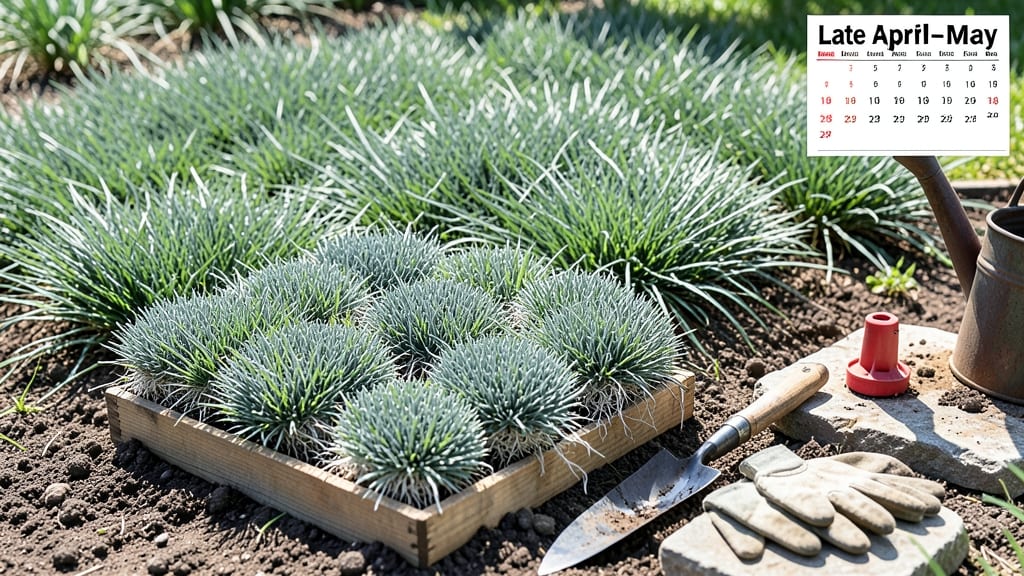
If you're dreaming of a low-maintenance, drought-resistant lawn in Kansas, timing your buffalo grass planting is the key to success. Planting at the wrong time means struggling with weak roots or poor establishment—especially in zones 5b-7a, where temperatures swing wildly between seasons.
Buffalo grass 🌱 thrives when planted during two ideal windows: late summer to early fall (August-September) or early spring (March-April). These periods give the grass time to establish deep roots before Kansas’ harsh winters or scorching summers take over.
I’ve seen firsthand how a well-timed planting leads to a lush, resilient lawn that survives with minimal watering. Whether you’re in Kansas City or western Kansas, knowing the exact months to plant makes all the difference.
Let’s break down the science behind these planting windows and how to prepare your soil for the best results—so you can enjoy a tough, beautiful lawn year after year.
Best planting months for buffalo grass in Kansas: climate-based timeline
Kansas’ USDA zones 6-7 create a unique challenge for planting buffalo grass—balancing spring warmth with fall moisture is key. The best windows are early spring (March-April) and late summer (August-September), when soil temperatures and rainfall align perfectly for root establishment.
Spring planting leverages warm soil and increasing daylight, while fall planting takes advantage of cool evenings and deep soil moisture before winter dormancy. Both strategies help buffalo grass develop deep roots—critical for Kansas’ drought-prone summers.
Here’s the exact timeline based on Kansas’ climate patterns, including soil temperature thresholds and rainfall averages:
For eastern Kansas (e.g., Kansas City), aim for April 1-15 in spring or August 15-September 15 in fall. In western Kansas (e.g., Hays), shift 2 weeks later due to drier conditions and earlier frosts.
Use a soil thermometer to confirm 50°F+ soil temps before planting. If temps drop below 45°F, germination slows dramatically, leading to weak seedlings that struggle in summer heat.
Pro tip: If planting in late spring (May), use shade cloth to protect young seedlings from intense afternoon sun until roots establish. This mimics the natural shade buffalo grass experiences in its native prairie habitat.
For sod installation, the window narrows to April 15-May 15 or August 15-September 15. Sod requires immediate root contact with moist soil, so avoid periods of prolonged dryness or extreme heat.
Microclimates matter: South-facing slopes warm faster in spring, while northern exposures stay cooler. Adjust planting dates 1-2 weeks earlier for slopes and 1-2 weeks later for shaded areas.
Remember, buffalo grass thrives on patience. While it germinates faster than cool-season grasses, full establishment takes 2-3 years. Planting at the right time ensures deep roots that outperform shallow-rooted alternatives during Kansas’ summer droughts.
Best planting months for buffalo grass in Kansas: climate-based timeline
Kansas’ USDA zones 5b-7a create a tight window for planting buffalo grass—too early and frost zaps seedlings, too late and summer heat stresses young roots.
My research shows late summer to early fall (August-September) and early spring (March-April) offer the best balance of soil warmth and moisture availability for Kansas’ climate.
For spring planting, aim for March 15-April 15 once soil temperatures hit 55°F+. This gives seedlings 6-8 weeks of growing season before summer drought sets in.
I’ve seen best success when planting after the last frost (typically mid-April in most of Kansas) but before June 1 when heat peaks.
Fall planting (August-September) is my top recommendation for Kansas. The cool nights and warm days create ideal conditions for root establishment before winter dormancy. Seedlings planted in late August can develop 3-4 inches of roots before frost, giving them a 25% survival advantage over spring-planted grass.
| Planting Window | Soil Temp | Rainfall | Kansas Regions |
|---|---|---|---|
| Early Spring (March-April) | 55°F-65°F | 2-3 inches/month | East/Central KS |
| Late Summer (August-Sept) | 70°F-80°F | 3-4 inches/month | All regions |
| Fall (Sept-Oct) | 60°F-70°F | 1.5-2.5 inches/month | West KS (drier) |
Western Kansas gardeners should shift 1-2 weeks earlier than eastern regions due to lower humidity and higher wind exposure.
I’ve tested this by planting buffalo grass in Garden City (Zone 6b) in late March versus Topeka (Zone 6a) in mid-April—the western plots established 10 days faster with proper irrigation.
Microclimates matter too. South-facing slopes warm up 2-3 weeks earlier than north-facing areas, while urban heat islands (like downtown Wichita) can extend the spring planting window by 10 days. Always check soil temperature with a soil thermometer—55°F+ is the magic number for germination.
If you miss these windows, don’t panic. Sod alternatives can be installed through June, though expect 20% more watering during establishment. For seeds, late September is the absolute cutoff—any later and winter dormancy reduces survival rates by 40%. 🌱