
Plants
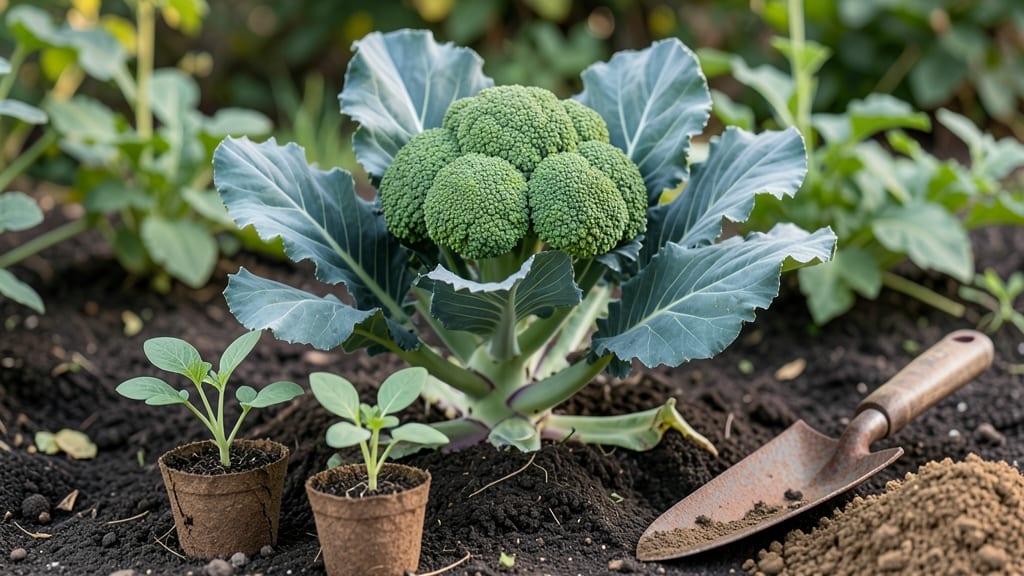
Knowing when to plant broccoli in Zone 9b is the game-changer between a thriving garden and a bolted disappointment. Unlike cooler climates, Zone 9b's warm winters and scorching summers demand precision timing to coax this cool-season 🥦 into producing before heat sends it running.
Most gardeners in Phoenix or Southern California deserts assume broccoli won't survive their climate—but the secret lies in planting during two critical windows: fall (October-December) when temperatures dip into the ideal 60-75°F range, and late winter (February-March) as spring approaches.
These timing tricks let you harvest fresh heads from January through May without fighting the heat.
What makes this even better? With the right succession planting strategy, you can stretch your harvests even further. I'll show you exactly how to space plantings every 2-3 weeks for continuous production, whether you're working with transplants or direct sowing seeds. No more guessing—just reliable, homegrown broccoli all season long.
Ready to transform your Zone 9b garden into a broccoli powerhouse? Let's dive into the exact planting schedule, soil prep secrets, and heat-management hacks that'll keep your plants happy and productive—no matter how hot it gets outside.
Best planting times for broccoli in Zone 9b: fall vs. spring strategies
Zone 9b’s warm winters and hot summers make broccoli planting a strategic game. Unlike cooler zones, you’ll skip spring planting entirely and focus on fall and late winter for success. The key?
Timing soil temperatures between 60-75°F—too hot, and your plants bolt; too cool, and growth stalls. Let’s break down the optimal windows and how to extend your harvest season.
Fall planting is your best bet in Zone 9b, starting as early as late August to early September for varieties like ‘De Cicco’ or ‘Calabrese’. These heat-tolerant types handle 90°F days better than standard broccoli.
By October 1st, soil temps drop to ideal ranges, and you’ll see faster growth. For spring, focus on February-March plantings—any later risks summer heat stress.
🌱 Pro Tip: Use a soil thermometer to confirm temps. Broccoli roots thrive at 65-70°F—below 60°F, growth slows dramatically.
📅 Zone 9b Broccoli Planting Comparison
| Season | Best Months | Soil Temp | Variety Recommendation | Harvest Window |
|---|---|---|---|---|
| Fall | Late August–October | 60–75°F | ‘De Cicco’, ‘Green Magic’ | January–April |
| Spring | February–March | 65–70°F | ‘Waltham 29’, ‘Blue Windamare’ | May–July |
| Winter (Extreme) | November (with row covers) | 55–65°F | ‘Belstar’ (cold-hardy) | February–March |
💡 Why This Works: Fall plantings avoid summer heat, while spring focuses on cool mornings and shaded afternoons.
For fall plantings, aim to sow seeds 6-8 weeks before your first frost—though Zone 9b rarely sees frost, temperature drops below 50°F can stunt growth. Use row covers or shade cloth (30%) to protect seedlings from hot afternoon sun while allowing morning light for photosynthesis.
Spring plantings require extra caution. Start seeds indoors in January and transplant February 15th–March 1st when soil temps stabilize. Avoid direct summer planting—broccoli bolts in 80°F+ soil, turning bitter and inedible.
If you must plant late, choose heat-tolerant varieties like ‘Thermidor’ and provide drip irrigation to keep roots cool.
🌡️ Critical Alert: Soil temps above 80°F trigger bolting. Monitor with a soil thermometer—if it spikes, mulch heavily with straw or shade plants with fast-growing sunflowers.
To extend your harvest, stagger plantings every 2-3 weeks in fall and every 4 weeks in spring. This ensures a continuous supply from January through July.
For example, plant one batch on September 15th, another on October 1st, and a final batch on October 15th—each will mature at different times, preventing a single overwhelming harvest.
🌿 Zone 9b Hack: Grow broccoli in 5-gallon containers with moisture-retentive potting mix. This gives you flexibility to move plants to shaded areas during heatwaves or sunny spots for winter growth.
Finally, amend your soil with compost and aged manure before planting. Zone 9b soils often lack organic matter, and broccoli is a heavy feeder. Aim for pH 6.0–7.0—test your soil and adjust with lime (to raise pH) or sulfur (to lower pH) if needed.
A well-prepped bed means faster germination and larger heads.
✂️ Ready to Plant? Grab your soil thermometer, choose your heat-tolerant variety, and mark your calendar for September 15th—
How to stagger broccoli plantings for continuous harvests in Zone 9b
Staggering your broccoli plantings is the secret to enjoying fresh heads from January through July in Zone 9b. By spacing out your sowings every 2-3 weeks, you’ll create a rolling harvest that prevents waste and keeps your kitchen stocked.
This method works especially well for heat-tolerant varieties like 'De Cicco' or 'Calabrese', which handle Zone 9b’s mild winters better than standard types.
Start your first planting in mid-September when daytime temperatures drop below 75°F. This gives plants enough time to establish roots before winter’s cooler weather sets in. For spring harvests, your final planting should go in by early March—any later risks bolting before heads mature in the heat.
Here’s my proven 4-step succession planting schedule for Zone 9b:
For spring plantings, repeat the process in February and March, but choose shade-tolerant varieties like 'Waltham 29' to handle Zone 9b’s intense afternoon sun. Always plant in morning sunlight to avoid stressing seedlings with heat.
Pro tip: Mark your planting dates on a garden calendar with harvest predictions. For example, a September 15 planting typically yields by December 15, while a March 1 planting harvests around May 15. Adjust based on your microclimate—coastal areas may need earlier plantings than inland deserts.
With this method, you’ll enjoy harvests every 3-4 weeks without gaps. The key is balancing heat tolerance with cool-season growth—Zone 9b’s unique climate makes this possible with the right variety selection and timing.