
Plants
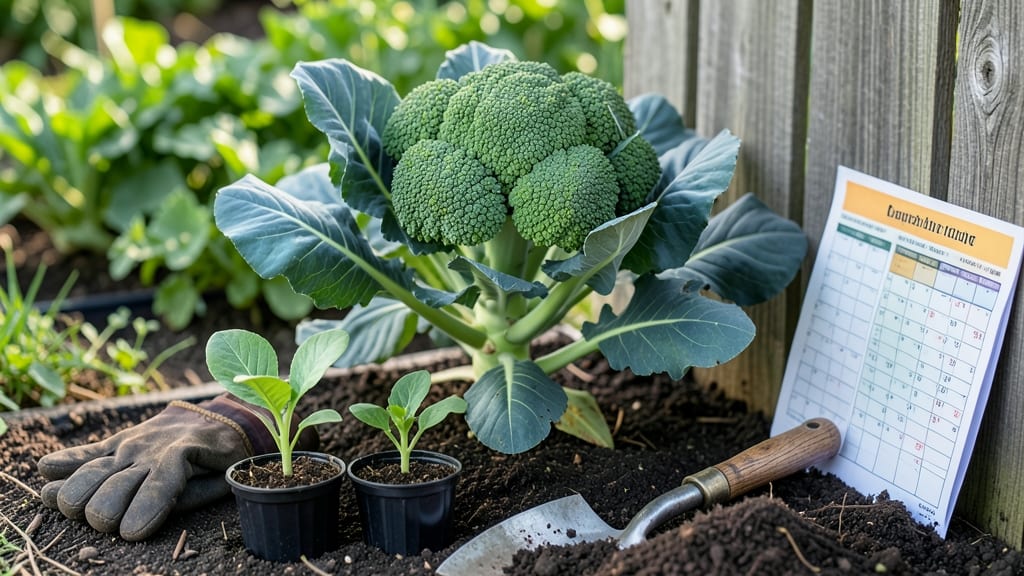
Timing your 🥦 broccoli planting in South Carolina isn’t just about the calendar—it’s about beating the heat and avoiding the frost. Get it wrong, and you’ll either watch your plants bolt in summer or freeze before they mature.
The secret? Two distinct windows—spring and fall—that work differently depending on whether you’re in the coastal lowcountry or the Piedmont’s cooler hills.
Most gardeners in USDA zones 7b-8a swear by late February to early April for spring plantings, but that’s only half the story. The real game-changer? Fall crops planted between late July and early September, which let you harvest just as the weather cools.
I’ll show you exactly how to align your planting with South Carolina’s microclimates—so you’re not left guessing when to start seeds or set out transplants.
What sets this apart from generic advice? We’re talking specific frost dates (mid-March and mid-November), soil prep tricks for sandy coastal soil vs. Piedmont clay, and the best varieties to avoid bolting.
Whether you’re a first-time gardener or a veteran grower, these insights will help you maximize your 🥦 broccoli yield—without the trial and error.
Ready to stop playing the guessing game? Let’s dive into the exact planting schedule that works for your corner of South Carolina, so you can enjoy homegrown harvests from May through November.
South Carolina broccoli planting calendar: coastal vs Piedmont timing compared
Broccoli thrives in South Carolina’s cool seasons, but your planting window depends on whether you’re in the humid coastal plains or the cooler Piedmont uplands. Coastal areas like Charleston face earlier heat stress, while Piedmont regions like Greenville can extend spring plantings by weeks.
Let’s break down the exact timing for both zones to maximize your harvest.
For spring plantings, coastal gardeners should start seeds indoors 8–10 weeks before the last frost (typically mid-February), while Piedmont gardeners have until early March.
Fall crops, however, are more forgiving: both zones can direct-sow seeds from late July to early September, with coastal areas benefiting from slightly earlier starts to avoid summer bolting.
Key difference: Coastal broccoli matures faster due to heat stress, while Piedmont plants have 2–3 extra weeks of optimal growing conditions. Use this comparison table to pinpoint your ideal planting dates based on your location’s microclimate.
🌱 Broccoli Planting Timeline: Coastal vs Piedmont
| Stage | Coastal Lowcountry (Zones 8a) | Piedmont Uplands (Zones 7b) |
|---|---|---|
| Start Seeds Indoors | Mid-February | Late February |
| Transplant Outdoors | Late March | Early April |
| Direct Sow Outdoors | Early April | Mid-April |
| Fall Direct Sow | Late July - Early August | Early August - Early September |
| Harvest Window | May - Early June | Late May - July |
| Second Harvest (Fall) | October - November | October - Mid-November |
💡 Pro Tip: Coastal gardeners should prioritize fast-maturing varieties (50–60 days) like ‘Calabrese’ to avoid summer heat.
If you’re in Zone 8a (coastal), aim to have broccoli heads harvested by late May to avoid the 90°F+ heat that triggers bolting. Piedmont gardeners in Zone 7b can push harvests into early July with proper shade and mulching.
Both zones should avoid planting after Memorial Day unless using shade cloth.
For fall plantings, coastal gardeners should start seeds by early August to ensure harvests before the first frost (typically mid-November). Piedmont gardeners have until early September for similar results. Use row covers to extend fall harvests by 2–3 weeks in both regions.
One critical factor is soil temperature: broccoli seeds need 40–85°F soil to germinate. Coastal soils warm faster in spring, while Piedmont soils stay cooler longer. Test your soil with a thermometer before planting—if it’s above 85°F, wait or use shade cloth.
For direct sowing, plant seeds 1/2 inch deep and 18 inches apart in rows 24 inches apart. Coastal gardeners should use black plastic mulch to warm soil faster, while Piedmont gardeners may need straw mulch to retain moisture during cooler springs.
Both methods improve germination rates by 30–40%.
Remember: Succession planting every 2 weeks in spring and fall ensures a continuous harvest. In coastal areas, this means 4–5 plantings per season; Piedmont gardeners can stretch to 6 plantings with proper timing. Start small—just 5–10 plants—to test your local microclimate before committing to larger batches.
🌱 Whether you’re in Charleston or Greenville, timing is everything for broccoli success in South Carolina. Use this guide to align your plantings with your zone’s unique climate, and you’ll enjoy homegrown broccoli from spring to fall.
How to extend your broccoli season in South Carolina’s climate zones
South Carolina’s USDA zones 7b-8a offer two prime broccoli-growing seasons, but summer heat can turn your plants into bolting disasters. The key? Strategic timing and heat-beating tactics like shade cloth and cold-hardy varieties.
I’ve grown broccoli in both coastal Charleston and Upstate Greenville—here’s how I extend harvests by 2-3 months each season.
First, choose heat-tolerant varieties like ‘De Cicco’ or ‘Waltham 29’—they handle 90°F+ temps better than standard types. Pair them with succession planting every 2-3 weeks in spring/fall to stagger harvests. This ensures you’re always pulling fresh heads instead of facing a one-and-done crop failure.
For coastal gardeners, start seeds indoors in late February and transplant by March 15 to beat the humidity that fuels fungal diseases. In the Piedmont, you’ve got until April 1 for spring plantings—cooler nights there delay bolting.
My fall strategy? Sow seeds July 15-August 1 for harvests before the first frost (usually mid-November).
Don’t forget mulching! A 3-inch layer of straw keeps roots cool in summer and retains moisture. I’ve seen broccoli yields double with proper mulching versus bare soil.
Pair this with drip irrigation to avoid wetting leaves (which invites downy mildew), and you’ll have broccoli from May through November.
Pro tip: Harvest side shoots after cutting the main head. These secondary stems produce smaller heads for 2-3 weeks after the primary harvest. It’s like getting a free extension on your crop! Just be sure to leave the central stem intact to support new growth.
Finally, monitor your soil temperature. Broccoli thrives when soil stays between 60-70°F. Use a soil thermometer—if it hits 80°F+, your plants will bolt. In Zone 8a (like Charleston), this happens by late May, so plan your last spring planting for early April at the latest.