
Plants
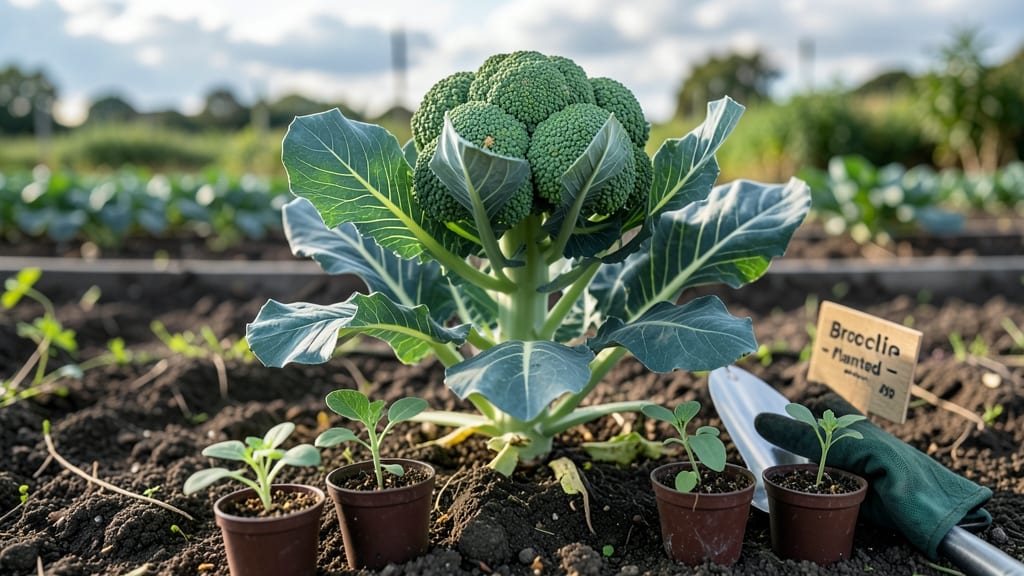
If you're an Indiana gardener, knowing when to plant broccoli can make the difference between a thriving harvest and a bitter disappointment. 🥦 That first crisp spring morning when the soil warms just enough is your golden window—plant too early, and you risk bolting before heads form; too late, and your plants struggle to mature before summer's heat sets in.
I've spent years perfecting the timing in our 6a zone, and here's what I've learned: the key is working with Indiana's unpredictable climate. For spring plantings, aim to get seeds in the ground 4-6 weeks before your last frost date—typically around mid-March to early April.
This gives your broccoli enough time to establish roots before summer arrives.
But don't stop there—fall plantings are just as crucial. The secret to a successful late-season harvest lies in starting seeds indoors about 90-120 days before your first frost, usually in late July or early August.
This timing ensures your plants mature before winter sets in, giving you fresh broccoli straight through October.
What makes this even more exciting? With the right schedule, you can enjoy two full harvests each year. I'll show you exactly how to time each planting window, plus pro tips for extending your growing season so you never run out of this nutritious green again.
Indiana broccoli planting calendar: weeks before last frost by Zone
Indiana’s 6a-7a USDA zones mean your last frost date typically lands around April 15, but exact timing varies by county. To avoid bolting (when broccoli flowers prematurely), plant at the right weeks before frost—not too early or late. Here’s your data-driven schedule for spring and fall planting.
For spring harvests, aim to plant 4-6 weeks before your last frost date. In Indiana, this means starting seeds indoors by early March or sowing directly in mid-March to early April.
If you’re transplanting seedlings, get them in the ground by late March to ensure they mature before summer heat sets in.
Fall planting is trickier but rewarding. Broccoli needs 90-120 days to mature, so sow seeds 90-120 days before your first frost (around mid-July to early August). This gives you a late fall harvest before winter hits.
| Planting Stage | Indiana Zone 6a | Indiana Zone 7a | Notes |
|---|---|---|---|
| Start Seeds Indoors | Early March | Early March | Use grow lights; keep soil at 70°F |
| Direct Sow Outdoors | Mid-March to Early April | Late March to Mid-April | Soil temp must be 40°F+ |
| Transplant Seedlings | Late March to Early April | Late March to Mid-April | Hardy to 25°F; use row covers if needed |
| Fall Planting Window | Mid-July to Early August | Late July to Early August | 90-120 days before first frost |
| Harvest Window | Late May to Early June (Spring) / Sept-Oct (Fall) | Late May to Early June (Spring) / Sept-Oct (Fall) | Pick before heads flower for best flavor |
If you’re direct-sowing (skipping the indoor start), plant seeds 1/4 inch deep and 12-18 inches apart in rows 2 feet apart. This spacing gives plants room to grow without competing for nutrients. For transplants, space them 18-24 inches apart—closer spacing can lead to disease pressure.
Pro tip: Use shade cloth (30-50%) during hot summer months to prevent bolting. Indiana’s July-August heat can trick broccoli into flowering early. A simple floating row cover keeps temps down and extends your growing window.
For succession planting, sow new seeds every 2-3 weeks in spring and again in early summer for a continuous harvest. This works especially well in Indiana’s short growing season, where you want to stretch your broccoli production as long as possible.
Always check your local frost dates—they can vary by 5-7 days even within Indiana. Use the National Weather Service or Indiana State Climate Office for precise data. Adjust your planting by 1-2 weeks if your area runs cooler or warmer than average.
Remember: Soil temperature matters more than air temperature. Use a soil thermometer to confirm it’s 40°F+ before planting. Cold soil slows germination and can lead to rot or poor growth.
With this schedule, you’ll avoid the #1 mistake Indiana gardeners make—planting too late and missing the cool-season window. Stick to these dates, and you’ll enjoy crisp, flavorful broccoli from spring through fall! 🥦
How to adjust planting dates for zero bolt risk in Indiana’s climate
Indiana’s unpredictable spring weather can turn your broccoli into bitter, bolted florets faster than you can say "frost warning." The key to avoiding this? Adjusting planting dates based on soil temperature and heat spikes—not just frost dates.
I’ve learned the hard way that even a week too early can trigger bolting when warm spells sneak in.
Start by waiting until soil temperatures hit 40°F (4°C)—use a soil thermometer to check. In northern Indiana (Zone 6a), this usually means holding off until mid-April, while southern Indiana (Zone 7a) can begin as early as late March.
If your soil is cold but frost-free days are coming, cover seeds with row fabric to buy time.
Planting broccoli in soil below 40°F or under shade cloth too early delays growth and increases bolting. Indiana’s April heat spikes (common in Zone 6a) can push plants to flower in 10–14 days if they’re already stressed.
Solution: Use shade cloth (30–50%) during 9 AM–3 PM in peak spring heat to keep leaves below 80°F (27°C).
For fall planting, aim to sow seeds 90–120 days before your first frost (typically mid-July to early August in Indiana). This gives heads time to mature before cold snaps.
If you’re in Zone 7a, extend your window to late August—just monitor daylength (broccoli bolts when days exceed 14 hours of light).
Pro tip: Succession plant every 2–3 weeks in spring and 3–4 weeks in fall to stagger harvests. In my garden, this means 3–4 batches of broccoli from May through October, with zero wasted effort. Use bolt-resistant varieties like ‘Waltham 29’ or ‘De Cicco’ for extra insurance against Indiana’s whims.
Watch for yellowing leaves or tall, skinny stems—these are red flags for bolting. If you catch it early, harvest the side shoots (they’re edible!) and let the plant recover. In extreme cases, mulch heavily with straw to cool roots and reduce stress.
Remember: Indiana’s climate is your biggest variable. I’ve had May frosts delay harvests one year and July heatwaves scorch plants the next. The only constant? Adaptability. Start with these dates, then adjust based on your microclimate—your future broccoli heads will thank you.