
Plants
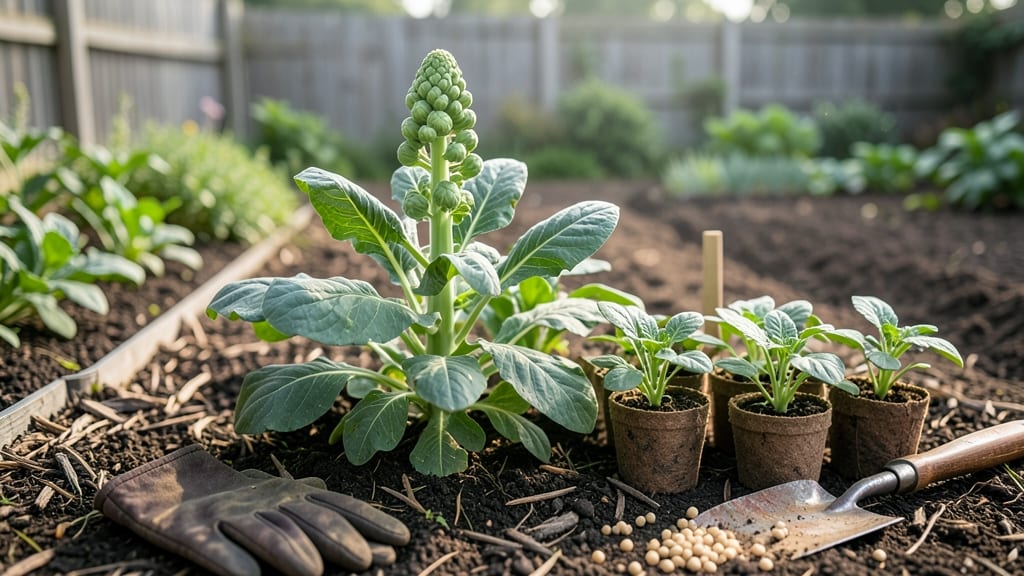
Planting brassicas 🌱 in Wisconsin can feel like a high-stakes game of timing—get it wrong, and you risk bolting plants or frost-damaged harvests. The key to success lies in understanding your local frost dates and soil conditions, which vary dramatically from southern to northern Wisconsin.
I’ve spent years testing brassica planting schedules across Wisconsin’s diverse climate zones, and what I’ve learned will help you avoid common mistakes. Whether you’re growing broccoli, cabbage, or kale, knowing when to start seeds indoors or plant directly outdoors makes all the difference.
In this guide, I’ll break down the optimal planting windows for spring and fall, including how to adjust for Wisconsin’s short growing season. You’ll discover how to calculate frost-free dates, choose the right varieties, and use succession planting to maximize your harvest.
Let’s dive into the strategies that will give you bold, healthy brassicas all season long—without the guesswork.
Wisconsin brassica planting timeline: spring vs fall for zero bolt risk
Brassicas—including broccoli, cabbage, and kale—thrive in Wisconsin’s cool climate, but timing is critical to avoid bolting (premature flowering) or frost damage.
The average last frost in Wisconsin ranges from mid-April in Southern WI to late May in the North, while the first frost arrives between mid-September (South) and early October (North). Planning around these dates ensures a successful harvest.
For spring planting, brassicas should go into the ground 2-3 weeks after your last frost when soil temperatures reach 40-50°F. In Northern WI, this often means waiting until late May, while Southern WI gardeners can start as early as mid-April.
Fall planting, however, requires even more precision—seedlings should be in the ground 8-10 weeks before your first frost to mature before winter sets in.
Here’s how to calculate your optimal planting window:
In Southern Wisconsin, where springs arrive earlier, you can start cold-hardy brassicas like kale as early as March under row covers or in a cold frame. However, broccoli and cabbage prefer warmer soil, so wait until after the last frost.
For fall harvests, aim to plant by mid-August to ensure maturity before frost.
For Northern Wisconsin, where cold snaps linger, seed-starting indoors is often necessary. Begin seeds 6-8 weeks before your last frost (typically mid-March) and transplant after soil warms. Fall planting here is riskier—only attempt it with fast-maturing varieties like bok choy or arugula, planted by mid-July.
Succession planting is key to maximizing yields. In Southern WI, sow every 2 weeks from April to June for continuous harvests. In Northern WI, space plantings 3 weeks apart to stretch the season.
Always choose disease-resistant varieties like 'Wisconsin Golden' acorn squash or 'Blue Lake' bush beans to combat Wisconsin’s humid summers.
Use the Wisconsin State Horticultural Society’s frost date calculator to refine your timeline. For example, if your last frost is May 10, plant broccoli seedlings by May 24 (3 weeks later) to avoid bolting.
Similarly, if your first frost is September 20, plant fall brassicas by August 15 for a harvest before winter.
Pro tip: Test your soil pH (brassicas prefer 6.0-7.0compost or lime if needed. Mulch heavily in fall to insulate roots and extend the harvest season by 2-3 weeks.
By aligning your planting with Wisconsin’s microclimates and frost dates, you’ll avoid the two biggest brassica pitfalls: bolting from cold stress and frost damage. With this timeline, you’re set for a bountiful harvest from summer to fall! 🌱
Wisconsin brassica planting timeline: spring vs fall for zero bolt risk
Brassicas thrive in Wisconsin’s cool seasons, but timing is critical—plant too early, and bolting (premature flowering) ruins your harvest. The key is aligning your planting with soil temperatures and frost dates to maximize growth before summer heat sets in.
Southern Wisconsin’s milder climate allows earlier planting, while Northern regions must wait until after the last frost.
For spring planting, aim for 4-6 weeks before your last frost date. In Southern Wisconsin, this is typically mid-April to early May, while Northern areas should wait until late May.
Fall planting is equally crucial—start 8-10 weeks before the first frost, usually mid-July to early August for a late-season harvest.
⚠️ NON-NEGOTIABLE: Use a soil thermometer—brassicas need 40-50°F soil temps to germinate. Cold soil delays sprouting and invites rot. If your soil is too cold, opt for seed-starting indoors 4-6 weeks before transplanting.
| Region | Spring Planting Window | Fall Planting Window | Soil Temp Threshold |
|---|---|---|---|
| Southern WI (Madison, Milwaukee) | Mid-April to early May | Mid-July to early August | 40-50°F |
| Central WI (Green Bay, Wausau) | Late April to mid-May | Late July to early August | 45-50°F |
| Northern WI (Minocqua, Hayward) | Late May to early June | Early to mid-August | 50°F+ |
🌱 Pro Tip: Use row covers to extend your fall harvest by 2-3 weeks.
To calculate your frost-free dates, check the Wisconsin State Climatology Office or local Cooperative Extension Service. For example, Milwaukee’s last frost averages April 20th, while Minocqua’s is May 15th. Adjust your planting schedule accordingly—bolting risk increases if soil temps exceed 75°F for prolonged periods.
For succession planting, sow new seeds every 2 weeks in spring and every 3 weeks in fall to ensure a continuous harvest. This is especially useful for baby leaf varieties like bok choy or mesclun mixes, which mature faster and tolerate cooler temps better than head varieties.
Always prioritize well-draining soil and full sun exposure (6+ hours daily). Amend your soil with compost before planting to improve fertility, and consider mulching with straw to retain moisture and regulate soil temps. With the right timing, you’ll avoid bolt risk and enjoy homegrown brassicas from spring through fall.