
Companion Plants
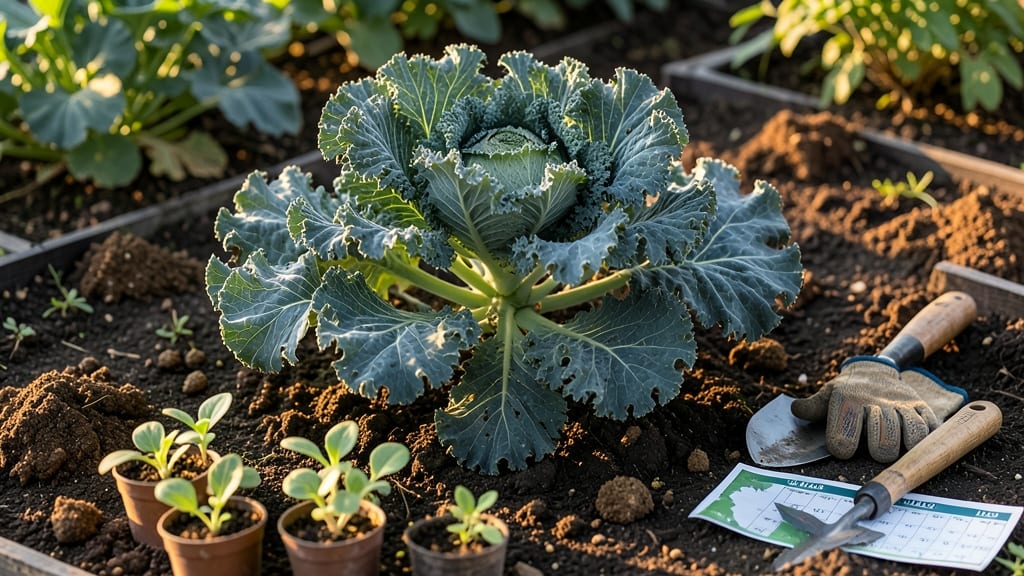
If you’ve ever watched your brassicas when to plant brassicas in Pennsylvania bolt into bitter, flower-speckled disappointment, you know timing is everything—and Pennsylvania’s fickle frost dates make it tricky. Planting these cold-hardy crops too early risks stunted growth, while waiting too long cuts your harvest short.
The secret lies in understanding your local microclimate, whether you’re in Pittsburgh’s USDA Zone 6 or the cooler valleys of the Poconos.
Here’s the game-changer: brassicas thrive when planted 4-6 weeks before your last frost in spring (typically March–April) and again in late summer (August–September) for a fall harvest. But with Pennsylvania’s 160–200 frost-free days, succession planting every 2–3 weeks ensures a steady supply from May through November.
Let’s break down the exact windows for your region, from soil prep to frost-tolerant varieties that actually survive PA’s swings. You’ll learn how to avoid the three biggest mistakes that turn promising seedlings into sad, yellowed plants—and how to stretch your harvest with smart spacing and overwintering tricks.
Ready to turn your brassica patch from “meh” to “bountiful”? Let’s get those seeds in the ground at the perfect moment—no more guesswork, just guaranteed greens.
Pennsylvania’s brassica planting zones: frost dates by region
Pennsylvania’s diverse climate—spanning USDA zones 5b to 7a—means brassica planting windows vary dramatically from the Poconos to Philadelphia. In zone 5b, gardeners face earlier frosts (last frost: April 25), while zone 7a enjoys later springs (last frost: April 10).
This 3-week difference can mean the difference between thriving plants and bolted greens.
Mountain valleys like Lackawanna County often experience 2-3°F colder nights than nearby ridges, delaying planting by 10-14 days. Meanwhile, urban heat islands in Pittsburgh or Allentown can push back frost dates by 5-7 days. Always check local microclimates—your neighbor’s garden might not match your frost timeline!
For spring brassicas (broccoli, cabbage, kale), aim to plant 4-6 weeks before your area’s last frost. In Pennsylvania’s northern tier, that’s mid-March under row covers or early April directly sown. Southern PA gardeners can start late February for early harvests.
Fall planting is trickier—Brussels sprouts need 90+ frost-free days to mature, while kale thrives with light frosts. Seed 8-10 weeks before your first frost (typically August 15-30 in most of PA). Northern zones may squeeze in a late July planting for fall harvests.
Use this frost date comparison to tailor your schedule. For example, ‘Presto’ broccoli (58 days to harvest) fits in late May plantings in zone 7a but risks bolting in zone 5b. Always verify with your local cooperative extension for real-time updates.
| Region | USDA Zone | Avg. Last Frost | Spring Plant Window | Fall Plant Window |
|---|---|---|---|---|
| Northwest PA (Erie) | 5b | April 25 | Mid-March (covered) / Early April | Late July - Aug 10 |
| Central PA (Harrisburg) | 6a | April 15 | Late March - Early April | Aug 1 - Aug 20 |
| Southeast PA (Philadelphia) | 7a | April 10 | Late February - March | Aug 15 - Sept 1 |
| Mountain Valleys (Poconos) | 5a | May 5 | Early May (covered) | Aug 20 - Sept 5 |
🌡️ Adjust for microclimates! Valleys frost later; ridges frost earlier.
For succession planting, stagger brassicas every 2 weeks in spring and 3 weeks in fall. This ensures a continuous harvest and minimizes bolting risks from heat stress. For example, plant ‘Blue Lake’ bush beans (a non-brassica) alongside your cabbage to mark planting intervals visually.
If you’re starting seeds indoors, begin 6-8 weeks before your last frost. Use grow lights for 14-16 hours/day to prevent leggy seedlings. Harden off seedlings for 7-10 days before transplanting—this acclimation period is critical for mountain gardeners facing sudden temperature swings.
Pro tip: Plant ‘Tendergreen’ broccoli in late July for a <
Best brassicas for Pennsylvania’s short season: frost-tolerant varieties ranked
Pennsylvania’s short growing season and unpredictable frost dates demand brassica varieties that can handle both early spring chills and late summer heat. Not all brassicas are created equal—some bolt at the first sign of warmth, while others thrive in near-freezing temps.
The key is selecting cold-hardy, heat-tolerant varieties that match your planting window and microclimate.
For spring plantings (March–April), prioritize varieties like 'Winterbor' kale and 'Presto' broccoli, which can handle light frosts and still deliver sweet, tender harvests. These varieties are bolting-resistant and mature quickly—critical traits for PA’s 160–200 frost-free days.
In contrast, fall plantings (August–September) should focus on 'Ruby Perfection' cabbage or 'Winter Density' Brussels sprouts, which sweeten after frost and tolerate cooler temps.
Here’s how I rank the top 8 brassica varieties for Pennsylvania gardens, based on cold tolerance, heat resistance, and yield potential: