
Plants
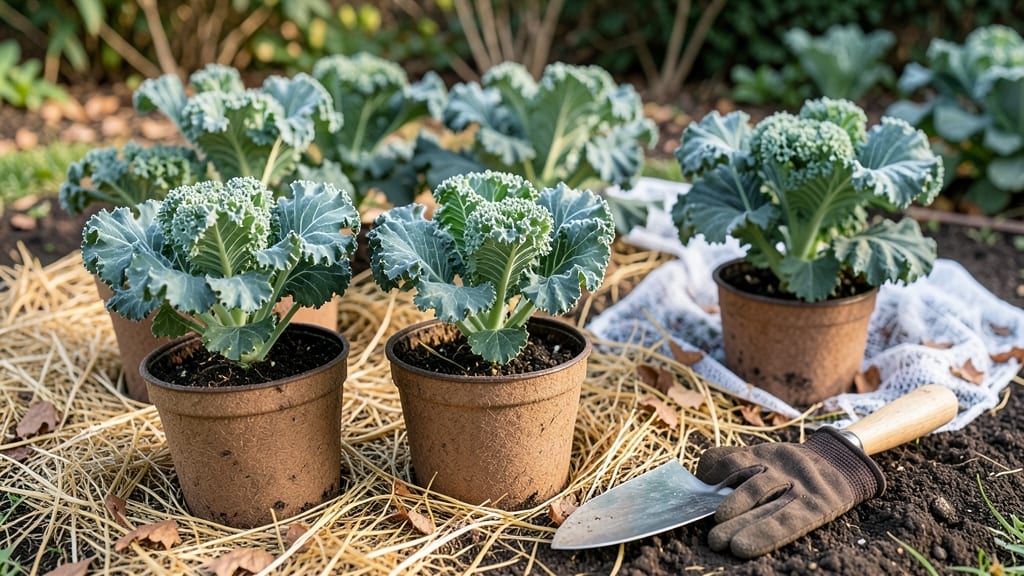
Knowing when to plant brassicas in Michigan can mean the difference between a thriving garden and a sad, bolted disappointment. These cool-weather crops—like kale, cabbage, and broccoli—need precise timing to avoid summer heat stress or frost damage.
Michigan’s variable climate makes this even trickier, but with the right schedule, you’ll enjoy fresh harvests from spring through fall.
Most gardeners in Michigan plant brassicas in early spring, as soon as the soil warms to 40°F and the last frost date passes. But late summer plantings also work if you choose heat-tolerant varieties.
The key is understanding your USDA zone—whether you're in the Upper Peninsula or southern Michigan—and adjusting your calendar accordingly.
Why does timing matter so much? Brassicas grow best in cool weather, and planting too late can lead to bitter flavors or premature flowering. I’ll show you exactly when to start seeds indoors, when to transplant outdoors, and how to stretch your harvest season with smart succession planting.
Let’s break down the perfect planting windows for your region, so you can grow crisp, flavorful brassicas all season long—no guesswork required.
Michigan brassica planting calendar by Zone: frost dates & optimal windows
Michigan’s three distinct growing zones (Upper Peninsula, Northern Lower Peninsula, and Southern Michigan) create unique planting windows for brassicas. The key is aligning your schedule with last spring frost dates and first fall frost dates, which vary by 10-14 days across the state.
In Zone 4/5 (UP), you’ll have the shortest season, while Zone 6/7 (Southern MI) offers more flexibility for fall plantings.
For all zones, cool-season brassicas like kale, cabbage, and broccoli thrive when soil temperatures stay below 75°F. Planting too early in cold soil can stunt growth, while waiting too long risks bolting (premature flowering) as summer heat sets in.
My rule of thumb? Start seeds 4-6 weeks before your last frost date for transplants, or direct-sow 2-3 weeks before for hardy varieties.
Here’s your zone-specific planting timeline, including early spring, late summer, and fall windows to maximize harvests year-round. Pro tip: Use row covers to extend fall harvests by 2-3 weeks in all zones.
| Zone & Location | Last Spring Frost | First Fall Frost | Early Spring Planting | Late Summer Planting | Fall Planting |
|---|---|---|---|---|---|
| Zone 4/5 (Upper Peninsula) | Mid-May | Late September | Start seeds indoors: April 1-15 | Direct-sow: July 15-August 1 | Transplant: July 1-August 15 |
| Zone 5/6 (Northern Lower Peninsula) | Early May | Early October | Start seeds indoors: March 20-April 15 | Direct-sow: July 1-August 10 | Transplant: June 20-August 10 |
| Zone 6/7 (Southern Michigan) | Late April | Mid-October | Start seeds indoors: March 1-April 1 | Direct-sow: July 15-August 20 | Transplant: June 1-August 20 |
🌱 Pro Tip: For fall brassicas, aim for a 90-100 day variety to mature before frost.
In Zone 4/5 (Upper Peninsula), focus on early maturing varieties like ‘Winterbor’ kale or ‘Golden Acre’ cabbage, which can handle shorter seasons. These areas also benefit from cold frames to push harvests into November.
For Zone 6/7 (Southern Michigan), you can experiment with two fall plantings: one in early July and another in mid-August for a staggered harvest.
For late-summer plantings, choose heat-tolerant varieties like ‘De Cicco’ broccoli or ‘Red Russian’ kale. These handle Michigan’s humid August heat better than standard varieties.
Always water deeply in the evening to reduce stress during heatwaves. I’ve found that drip irrigation keeps soil moisture consistent, which is critical for preventing bolting.
One mistake I see often? Gardeners in Zone 5/6 planting Brussels sprouts too late for a fall harvest. These need 100-120 days to mature, so start seeds indoors by May 1 for a late-September harvest.
If you miss that window, opt for spring planting instead—just be prepared for smaller yields if summer heat arrives early.
Use this calendar as your
Best brassica varieties for Michigan’s climate & how to extend the season
Michigan’s short growing season demands cold-hardy brassicas that thrive in cool weather. Varieties like Winterbor kale and Hubbard squash tolerate frost, while heat-tolerant broccoli like 'De Cicco' can handle late-summer planting. Choosing the right types ensures a longer harvest window before Michigan’s unpredictable fall frosts strike.
For early spring planting, opt for rapid-maturing varieties like 'Golden Acre' cabbage (50 days) or 'Windsor' broccoli (55 days). These bolt-resistant picks give you a head start before summer heat arrives.
In contrast, fall brassicas such as 'January King' cabbage or 'Tendergreen' broccoli can withstand light frosts, extending harvests into December.
🌱
🌱 Best Brassicas for Michigan
✅ Early Spring Varieties
- 'Golden Acre' cabbage (50 days)
- 'Windsor' broccoli (55 days)
- 'Tendergreen' broccoli (58 days)
✅ Fall/Winter Varieties
- 'Winterbor' kale (60 days)
- 'January King' cabbage (110 days)
- 'De Cicco' broccoli (70 days)
💡 Season-Extending Tips
- Use row covers to delay frost damage
- Plant succession crops every 2 weeks
- Choose heat-tolerant varieties for late summer
To extend your harvest, try succession planting every 2–3 weeks from late spring to early summer. For example, sow turnip greens or radish (a brassica relative) as early as 4 weeks before your last frost date.
These fast growers (30–40 days) fill gaps while you wait for slower brassicas like Brussels sprouts to mature.
For late-summer plantings, select heat-tolerant varieties such as 'Belstar' broccoli or 'Blue Lake' cabbage. These can handle 75°F+ temperatures better than traditional types. Pair them with drip irrigation to prevent bolting from stress. Mulch with straw to keep roots cool and moist during Michigan’s sweltering July and August afternoons.
Even in Michigan’s Zone 4/5 climates, you can harvest brassicas until December with the right varieties. Winterbor kale, for instance, tastes sweeter after frost, while 'Red Express' cabbage holds up under snow.
Just be sure to protect young plants with frost blankets during sudden cold snaps, especially in the Upper Peninsula.
🌿