
Plants
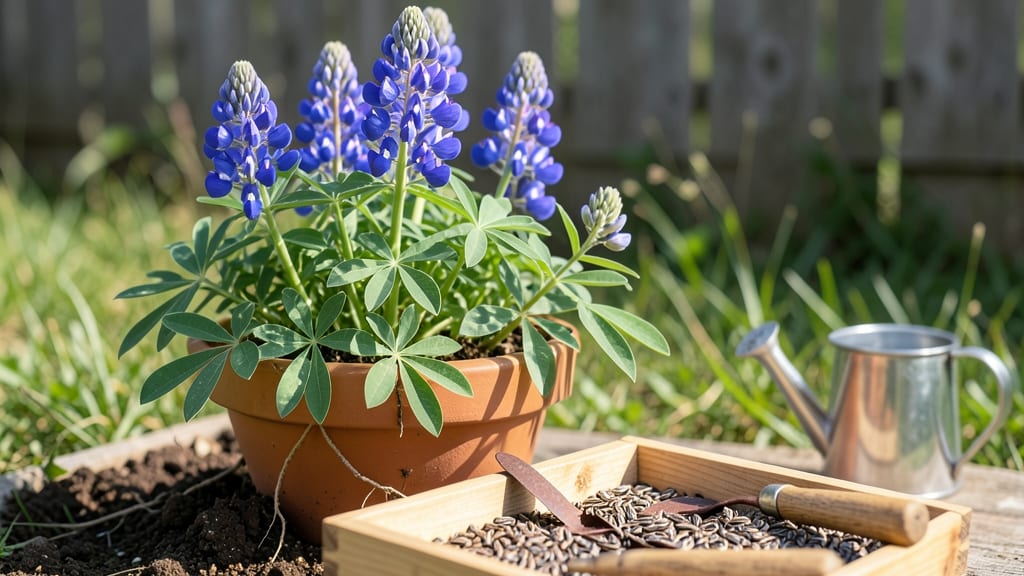
If you’ve ever dreamed of waking up to a sea of blue 🌸 blanketing your Austin yard, the secret starts with when to plant bluebonnet seeds—not in spring, but in fall.
Planting them at the wrong time means waiting years for those iconic blooms, or worse, watching them never appear. Austin’s 8a-9a climate demands precision: too early, and frost zaps your seeds; too late, and summer heat roasts them before they sprout.
Here’s the truth: the ideal window is narrow but forgiving if you know the tricks. We’re talking September through October, when soil stays warm enough to encourage germination but nights cool down enough to prevent stress.
Skip the spring rush—bluebonnets need winter’s chill to break dormancy and bloom like clockwork next year.
I’ll walk you through exactly when to scatter those tiny seeds, how to prep Austin’s stubborn clay soil, and what to watch for after planting. No guesswork, just proven steps to turn your yard into a postcard-worthy bluebonnet paradise. Ready to make next spring your best yet?
Let’s get those seeds in the ground the right way—because in Austin, timing isn’t just about blooms. It’s about beating the heat, the frost, and the weeds before they even get a chance to compete.
Optimal bluebonnet planting timeline for Austin’s climate
Austin’s fall planting window for bluebonnet seeds is your golden opportunity to create next spring’s vibrant blue carpets. The ideal months are September through October, when soil temperatures hover between 60-75°F—perfect for germination without summer heat stress or winter frost risks.
Bluebonnets are cool-season annuals that need 6-8 weeks of warm soil before winter dormancy sets in. Planting too early (before mid-August) risks premature germination and frost damage, while waiting until after November may leave seeds dormant too long, reducing spring blooms.
Here’s how Austin’s USDA Zones 8a-9a climate influences timing: the last average frost date is January 15, but bluebonnets handle light frosts once established. The key is to plant 4-6 weeks before your first frost—typically early October for most Austin areas.
Pro Tip: Use Austin’s rainfall patterns to your advantage. Plant after September showers when soil is moist but not waterlogged. The 2024 Texas A&M AgriLife Extension recommends waiting for at least 1 inch of rain or watering lightly post-planting to encourage seed-to-soil contact.
For best results, aim to plant between September 15 and October 15. This window ensures seeds germinate, establish roots, and enter dormancy before winter—setting the stage for March-May blooms when Austin’s hillsides turn blue.
Austin Bluebonnet Planting Timeline
| Month | Soil Temp (°F) | Planting Window | Germination Time | Notes |
|---|---|---|---|---|
| August | 80-90°F | Late August (risky) | 2-4 weeks | High heat may reduce germination |
| September | 75-85°F | Ideal (15th-30th) | 3-5 weeks | Best window for strong roots |
| October | 65-75°F | Best (1st-15th) | 4-6 weeks | Avoid after 15th (frost risk) |
| November | 55-65°F | Late (2nd half) | 6-8 weeks | Seeds may stay dormant |
| December-February | 40-60°F | Not recommended | N/A | Winter dormancy period |
If you miss the fall window, you can try spring planting (February-March), but expect smaller, less vibrant blooms. Spring seeds compete with established grasses and may not establish roots before summer heat arrives. For maximum impact, stick to fall planting and let Austin’s winters work their magic.
Remember: Bluebonnets are drought-tolerant once established, but seedling survival depends on consistent moisture during germination. After planting, water lightly (about ¼ inch per week) until seeds sprout—then reduce to bi-weekly watering to prevent rot.
For urban Austin gardeners, consider planting near south-facing walls or in raised beds to improve drainage and warmth. These microclimates can extend your planting window by 1-2 weeks compared to open fields.
Finally, mark your calendar for March 1, when bluebonnets typically begin their spring growth spurt. This is when your fall planting pays off with vibrant blue blooms that’ll make your Austin neighborhood the envy of the Hill Country!
Optimal bluebonnet planting timeline for Austin’s climate
Austin’s fall planting window for bluebonnets is narrow but critical—aim for mid-September through early October. This aligns with soil temperatures dropping below 75°F and rainfall patterns that trigger germination without summer heat stress.
Planting too early risks premature sprouting before winter dormancy, while late planting may not establish roots before frost.
Bluebonnets thrive in Austin’s USDA Zones 8a-9a, where first frost typically arrives by December 15. Seeds sown in late November can still germinate but face higher frost risk.
For best results, prioritize September 15–October 15, when soil moisture is high from summer rains and daytime temps remain warm enough for root development.
| Month | Planting Action | Soil Temp (°F) | Rainfall Goal |
|---|---|---|---|
| September | Scatter seeds; light rake | 70–80°F | 1–2 inches |
| October | Final sowing; mulch | 60–70°F | 0.5–1 inch |
| November | Dormancy; monitor frost | 50–60°F | Minimal |
Bluebonnets need 60–90 days of cold stratification to break dormancy. Planting in September ensures seeds experience Austin’s cool winter naturally, while October sowings may require a light mulch layer (1–2 inches of straw) to protect emerging roots.
Avoid planting after November 1, as seeds risk frost heave or insufficient root growth before spring.
For large-scale plantings, stagger seeds every 2 weeks from September 1–October 15 to extend the bloom season. In drought years, prioritize September plantings when soil moisture is higher. Always check local frost forecasts—Austin’s microclimates can vary by 5–10°F between neighborhoods.
After planting, water lightly only if rainfall is less than 0.5 inches/week. Overwatering in fall can drown seeds or encourage fungal growth. Once established, bluebonnets are drought-tolerant, but spring rains trigger their spring bloom in March–May. 🌸
Pro tip: Mark your planting dates and track bloom timelines—Austin’s wildflower trails often peak 2–3 weeks earlier than home gardens due to larger seed banks and natural soil conditions. Adjust your expectations accordingly! ⏰