
Plants
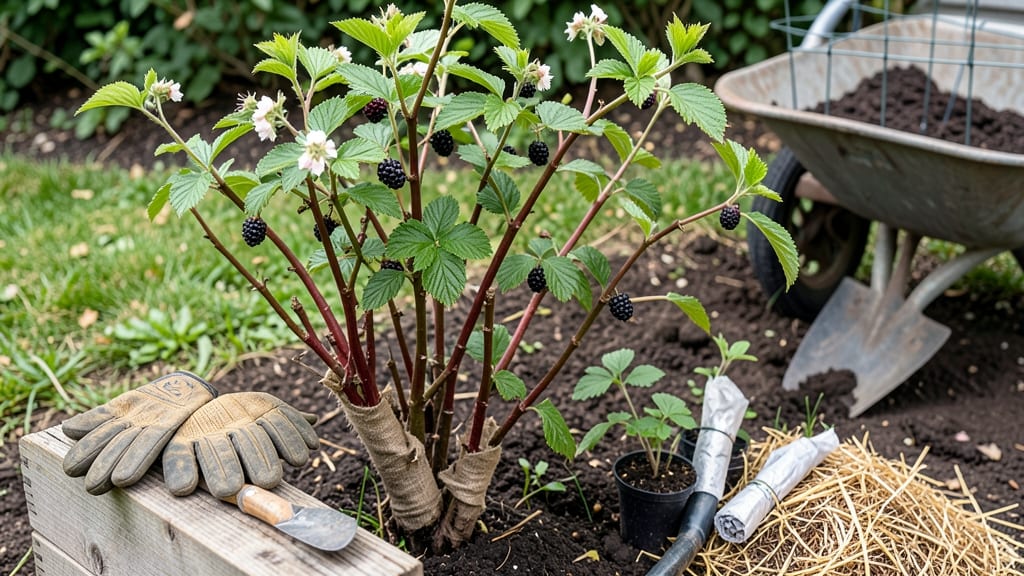
Best planting months for Alabama blackberries by chill zone
Alabama’s USDA zones 7a-8b mean blackberries need careful timing—plant too early, and frost zaps tender roots; too late, and summer heat stresses young canes.
The ideal window is late winter to early spring (February-March) or early fall (September-October), when soil temps hover between 50-60°F for root establishment. Everbearing varieties thrive with 400-600 chill hours, while fall-bearing types need 600-1,000 hours.
For spring planting, aim for 4-6 weeks before last frost (typically mid-March in North Alabama, late March in South Alabama). This gives roots time to anchor before summer’s humidity peaks. Fall planting should wrap up by mid-October to allow roots to harden off before winter chill sets in.
Here’s how Alabama’s microclimates affect timing: North Alabama’s cooler zones (7a) can handle fall planting until November, while South Alabama’s warmer zones (8b) should plant by September 15th to avoid heat stress. Always check your local frost dates—they vary by 1-2 weeks across the state.
Soil temperature is your best guide: Use a soil thermometer to confirm 50°F+ before planting. Cool, damp soils in January can delay root growth, while April’s warmth risks fungal diseases. Mulch heavily after planting to stabilize soil temps and retain moisture.
For everbearing varieties like 'Arapaho', prioritize spring planting—these need 400-600 chill hours to fruit well. Fall-bearing types (e.g., 'Chester') can handle fall planting but require 600-1,000 chill hours for optimal yields. Verify chill hours using your local Alabama Cooperative Extension data or online calculators like PlantMaps.
Pro tip: Soak bare-root canes for 2-4 hours before planting to revive roots.
Plant 2-3 feet deep with 1/3 of the cane above soil—this prevents rot while allowing access to sunlight. Space canes 4-6 feet apart to improve airflow and reduce fungal diseases like anthracnose, common in Alabama’s humidity.
After planting, water deeply (1-2 gallons per plant) and mulch with 3-4 inches of straw to retain moisture. Avoid overhead watering—drip irrigation minimizes leaf wetness, cutting disease risk. First harvest for spring-planted canes arrives in 120-150 days, while fall-planted canes may fruit the following summer.
Alabama’s humid summers demand shade cloth (30-50%) during June-August to protect young canes. Prune suckers aggressively in early spring to redirect energy to fruiting canes. With the right timing, your blackberries will thrive—producing 2-4 pounds per plant annually in Alabama’s climate.
🌱
Best planting months for Alabama blackberries by chill zone
Alabama’s USDA zones 7a-8b demand precision when planting blackberries. The key? Chill hours—most Alabama varieties need 400-1,000 hours below 45°F to fruit well. Plant too early, and your canes won’t survive winter; too late, and summer heat stresses young roots.
Let’s break it down by planting window and variety type.
For everbearing varieties (like 'Arapaho'), aim for late winter to early spring (February-March) when soil temps hit 50-60°F.
This gives canes time to establish roots before Alabama’s humid summers kick in. Fall-bearing varieties (like 'Natchez') can also be planted in early fall (September-October), but avoid planting after mid-October to prevent frost damage.
🌱
Alabama’s humidity and heat mean you’ll need to water deeply after planting—aim for 1-2 gallons per plant every 3-5 days.
Mulch with straw or wood chips to retain moisture and regulate soil temps. Everbearing varieties planted in spring will fruit in first-year primocanes, while fall-bearing types need two seasons to produce.
Pro tip: Use a soil thermometer to confirm temps before planting. If soil is below 50°F, wait—cold soil slows root growth. Northern Alabama (zones 7a-7b) can plant slightly earlier (late February), while southern zones (8a-8b) should wait until mid-March for spring planting.
🌡️
After planting, prune canes to 18-24 inches to encourage bushier growth. In Alabama’s climate, trellis support is a must—canes can reach 6-12 feet tall, and without support, they’ll flop in summer storms. Blackberry thorns also make harvesting easier with a sturdy frame in place.