
Plants
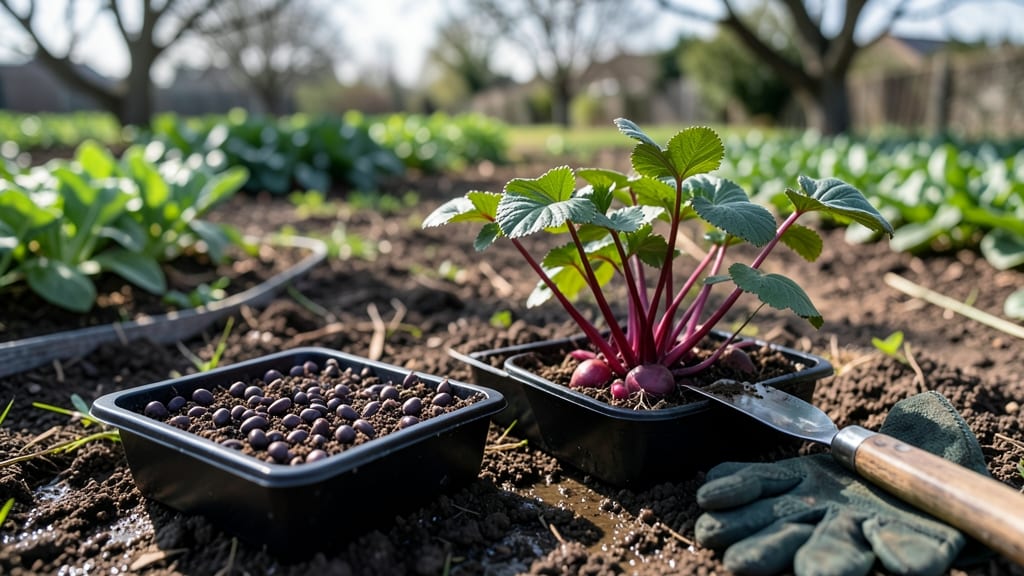
Knowing when to plant beets in Zone 9 is the key to avoiding bitter, bolting greens and enjoying sweet, tender 🍠 roots all season long. Unlike cooler climates, Zone 9's relentless heat can turn your beet dreams into a lesson in frustration if you're not strategic.
The secret? Planting during those narrow windows when temperatures cooperate—typically from late summer through early spring—while giving your beets the shade and moisture they crave.
Here's the catch: Beets hate summer heat, and in Zone 9, that means avoiding planting when daytime temps creep above 85°F. Instead, aim for cooler months like September through February, when soil stays below 75°F and evenings offer a breather.
This timing isn't just about avoiding bolting—it's about giving your beets the perfect conditions to develop those plump, earthy roots you love.
But what if you want a steady supply? That's where succession planting comes in—a game-changer for Zone 9 gardeners. By staggering your plantings every 3-4 weeks during the ideal window, you can enjoy fresh beets from December through May.
And don't forget: shade cloth and mulch can buy you extra time in borderline months, turning marginal conditions into harvest gold.
Let me show you exactly how to time your plantings, choose the right varieties for your microclimate, and troubleshoot common pitfalls—so you can enjoy garden-fresh beets without the stress. Your taste buds (and your patience) will thank you.
Best planting windows for beets in Zone 9 (avoiding bolting)
Zone 9’s warm winters and scorching summers make beet planting timing critical. Unlike cooler zones, you’ll skip spring planting entirely and focus on fall, winter, and early spring windows. Beets bolt (go to seed) when stressed by heat above 80°F, so avoiding summer planting is non-negotiable.
Your primary planting window runs from late September through February, when daytime temps stay below 75°F. This aligns with cooler microclimates like Southern California’s coastal areas or desert regions with shade. For example, Phoenix gardeners should plant in October-November to escape summer heat.
Here’s how to maximize your beet harvest in Zone 9’s climate:
| Planting Window | Ideal Soil Temp | Days to Harvest | Zone 9 Notes |
|---|---|---|---|
| Late September - October | 60-70°F | 60-70 days | Best for winter harvest; avoid October heatwaves. |
| November - January | 55-65°F | 70-80 days | Coldest months; ideal for slow-bolting varieties. |
| February - Early March | 60-70°F | 55-65 days | Risk of early spring heat; use shade cloth. |
Winter planting in Zone 9 offers the longest harvest window. For example, seeds sown in November will yield beets ready by January-February, just as summer heat ramps up. This strategy lets you harvest before bolting risks peak in March.
Microclimates matter in Zone 9. Coastal areas like San Diego can plant 1-2 weeks later than inland deserts like Palm Springs. Always check 7-day high/low forecasts—if daytime temps hit 80°F, delay planting until evenings cool.
Succession planting works year-round in Zone 9. Sow small batches every 2-3 weeks from September to February. For instance, plant 50 seeds in October, another 50 in November, and a final batch in January to stagger harvests through March-April.
Choose heat-tolerant varieties like 'Detroit Dark Red' or 'Boltardy' for extended seasons. These varieties handle short heat spikes better than standard types. Pair them with shade cloth (30-50%) during late February-March to delay bolting.
Never plant beets in June-August—even shade won’t prevent bolting. Instead, use this time to prep soil with compost and mulch. Your September planting will thank you with bolting-free roots.
Avoid the March-April trap: Many Zone 9 gardeners plant too late, only to see beets bolt by May. If you miss the fall-winter window, try container growing with afternoon shade—this buys you 2-3 extra weeks of harvest.
Best planting windows for beets in Zone 9 (avoiding bolting)
Zone 9’s year-round warmth means beets can grow almost any season—but timing matters to prevent bolting (when plants flower prematurely). The ideal window is September through February, when temperatures stay below 85°F.
This cooler stretch gives beets the 60-70 days they need to mature before summer heat sets in.
Fall planting (late August–October) is my top recommendation. Cooler nights and shorter days slow growth just enough to avoid bolting, while still allowing a winter harvest. For example, seeding in September often yields mature beets by December, just as spring crops kick off.
Winter planting (November–January) works too, especially in coastal Zone 9 areas like San Diego, where mild winters prevent stress. However, inland desert regions (like Phoenix) may need shade cloth or succession planting to extend the season.
🌱 Zone 9 Beet Planting Timeline
| Season | Planting Window | Key Notes |
|---|---|---|
| Fall | Late August–October | Best for harvest before winter; avoid bolting |
| Winter | November–January | Coastal areas thrive; inland needs shade |
| Early Spring | February–March | Risk of bolting increases; use shade cloth |
Avoid planting in April or May, when daytime temps often exceed 90°F. Beets struggle in heat, leading to stunted growth or bitter roots. Instead, opt for heat-tolerant varieties like ‘Detroit Dark Red’ or ‘Cylindra’ if you must plant in late spring.
For succession planting, sow seeds every 2-3 weeks from September through January. This staggered approach ensures a steady supply of fresh beets without overwhelming your garden. For example, a September 1st planting yields harvests by November, while a December 15th planting matures in February.
Pro tip: Test your soil temperature before planting. Beets thrive when soil stays between 50–75°F. Use a soil thermometer to confirm—if it’s above 80°F, wait or use shade cloth to cool the roots.